

















































How Long Does Botox Last? A Complete Guide to Treatment Duration
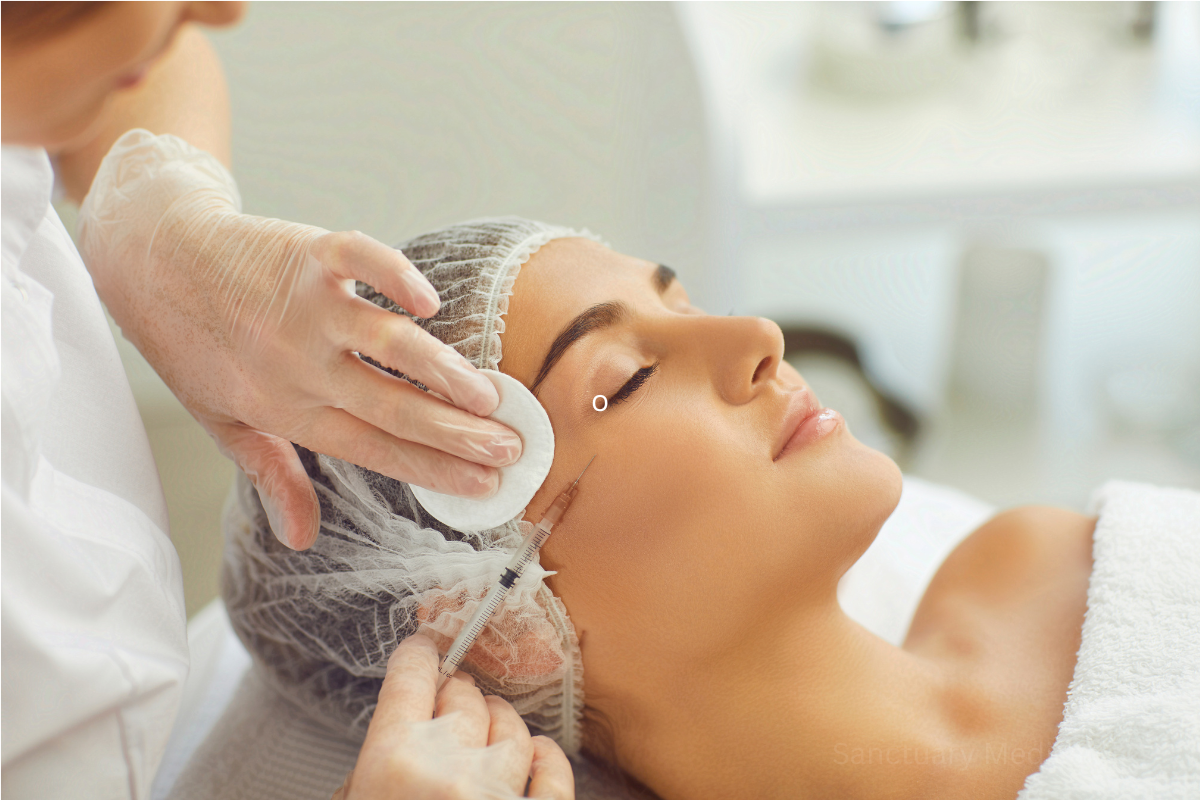
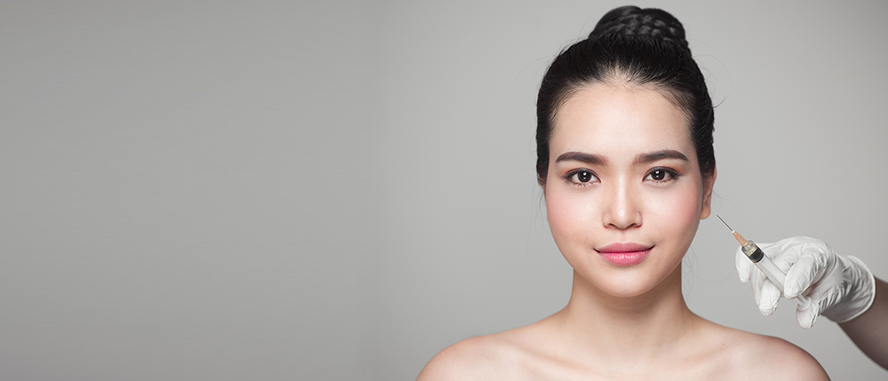
Botox injections rank among the most popular cosmetic treatments for reducing fine lines and wrinkles. Understanding how long results last helps you plan your treatment schedule and maintain your desired appearance. According to the American Society of Plastic Surgeons, over 7.4 million Botox treatments were performed in 2023, making it the leading minimally invasive cosmetic procedure.
Most patients see Botox results lasting 3-4 months. If this is your first treatment, you might notice shorter durations, while maintaining regular treatment schedules often leads to longer-lasting results.
Your provider’s experience plays a key role in treatment longevity. Precise injection techniques and proper dosing help achieve optimal results. Medical professionals at specialized centers consistently deliver better outcomes compared to inexperienced providers.
When you receive Botox, different areas of your face will maintain results for varying lengths of time:
Your treatment results depend on personal characteristics that influence how long Botox lasts:
Dosage: Your treatment amount affects longevity. Higher doses typically last longer, though your provider will balance this with achieving natural-looking results. The FDA has established specific guidelines for safe and effective dosing.
Metabolism: If you have a faster metabolism, you may break down Botox more quickly. Your exercise routine, stress levels and general health influence your metabolic rate.
Age: If you’re older or have deeper wrinkles, you might need more frequent treatments. Your skin’s elasticity and collagen levels affect treatment effectiveness.
Muscle Strength: Your facial muscle strength may require adjustments to treatment frequency. Regular Botox use can gradually weaken these muscles, leading to longer-lasting results.
Beginning your Botox journey requires attention to detail for the best possible outcome. Proper preparation and aftercare significantly impact your results’ longevity and appearance.
Your success with Botox starts with choosing an experienced provider with proper credentials and training. After treatment, carefully follow all post-care instructions, including medication restrictions. Maintain consistent treatment schedules and practice good skin care habits, especially daily sunscreen use. Protect your investment by avoiding excessive sun exposure, staying hydrated, and following a healthy lifestyle with adequate sleep and stress management.
Understanding when to schedule your next appointment helps maintain consistent results. Your body gradually metabolizes Botox over time, and recognizing the early signs of wear will help you maintain your desired appearance.
Watch for these indicators that your Botox is wearing off:
At Sanctuary Medical Aesthetic Center in Boca Raton and Fort Lauderdale, our board-certified specialists provide precise Botox treatments tailored to your needs. Our team, led by plastic surgeon Dr. Jason Pozner, uses advanced techniques to deliver natural-looking results. As South Florida’s largest laser facility, we combine expertise with cutting-edge technology to provide superior care.
Schedule your consultation today to learn more about our personalized Botox treatments.
How soon will I see results from Botox?
Initial results appear within 24-48 hours, with full effects visible after 7-14 days.
Does Botox hurt?
Most patients report minimal discomfort during treatment. Our providers use ultra-fine needles and can apply topical numbing cream if needed.
Can I exercise after Botox?
Wait 24 hours after treatment before engaging in strenuous exercise to prevent the product from migrating.
What’s the best age to start Botox?
There’s no universal “right age” to start Botox. Some patients begin preventative treatments in their late 20s, while others wait until lines become more noticeable.
How many units of Botox will I need?
The number of units varies by treatment area and individual needs. During your consultation, our specialists will assess your concerns and recommend an appropriate treatment plan.
Is there downtime after Botox?
Most patients resume normal activities immediately after treatment. Minor bruising or swelling may occur but typically resolves within a few days.


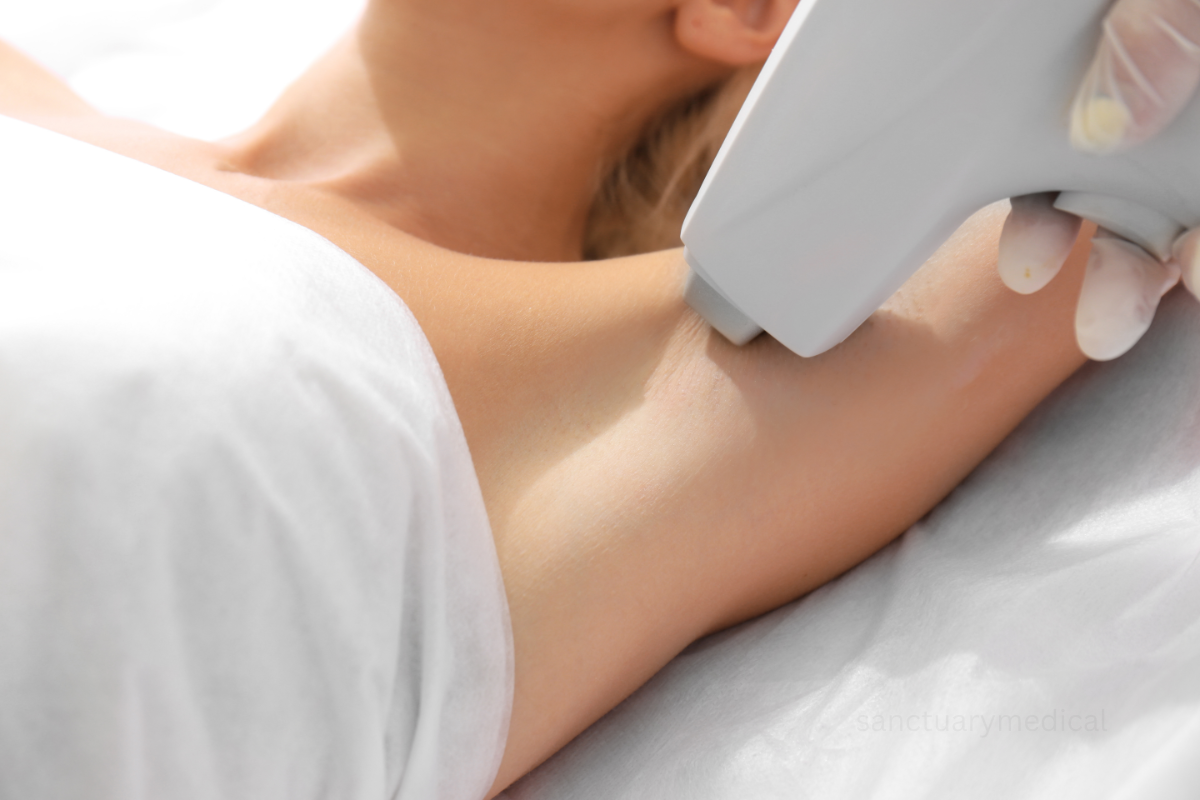
Many of us struggle with unwanted hair growth that is difficult to remove. If you relate to that idea, you’ve likely tried plucking, trimming, and shaving only to find that your hair returns despite your best efforts. Fortunately, there’s a more effective way to rid your body of those pesky hairs.
Laser hair removal is a common and highly effective cosmetic treatment that leaves your skin as smooth as it can be. Still, before you commit to this approach to hair removal, you need to know what’s involved in the process.
One of the most pressing concerns people have before trying laser hair removal is how many treatments they’ll need to undergo. This article will provide a clear answer to that question and more. But first, let’s cover the basics of how laser hair removal treatments work.
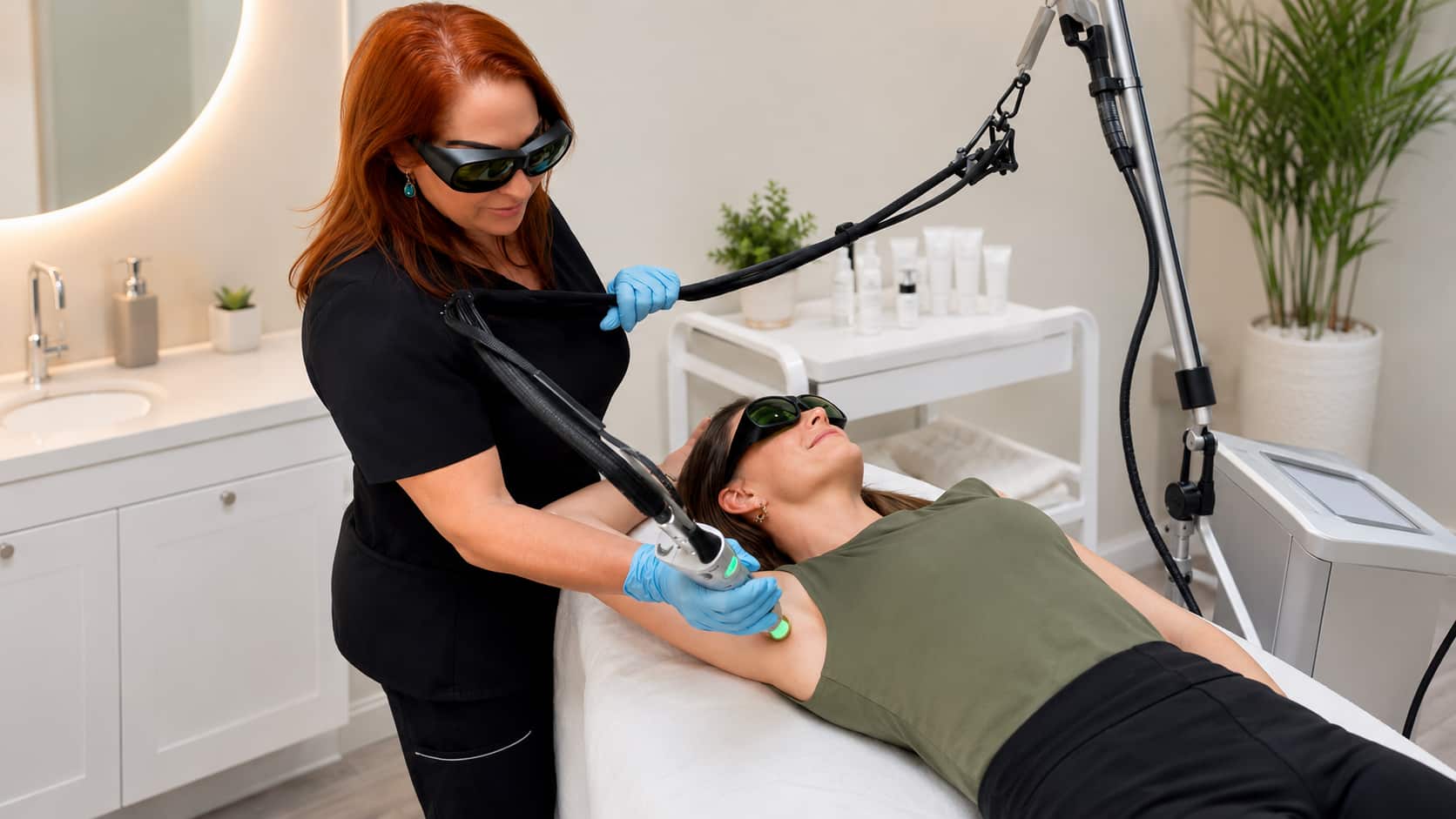
In many ways, a laser hair removal treatment is exactly what it sounds like. The technician performing the treatments will target your hair with a laser. The shafts of your hair then absorb the light from the laser. The light then converts to heat and damages the follicles of your hair. After the follicles are sufficiently damaged, they will no longer be able to create new hair.
That process is quick and convenient and leaves you with smooth, hairless skin where the treatments occur. Still, there’s much more to learn about how this process will unfold once you’ve scheduled your first appointment.
In an ideal world, a single laser hair removal treatment would be enough to remove your unwanted hair. However, the reality is that you’ll likely need multiple treatments to achieve the results you desire.
In many cases, it will take at least six laser hair removal treatments before the process is complete. The reason why multiple treatments are necessary is that your hair has different growth stages, some of which leave the hair more vulnerable to the laser than others. Repeating treatments ensures that you target all your unwanted hairs at the ideal growing stage.
While it’s slightly inconvenient to undergo multiple treatments for laser hair removal, the good news is that each treatment will be relatively brief. In most scenarios, the average laser hair removal treatment will last just a few minutes. The longest a treatment will take is about an hour, but that timeframe is only necessary for larger hair removal areas.
Unwanted hair can appear in many different places on your body. As such, you might be wondering what body parts are eligible for laser hair removal treatments. Fortunately, laser hair removal works on most body parts, including but not limited to the following:
While there are many body parts on which you can use laser hair removal, there are some that you should avoid. For example, it’s unadvised to use laser hair removal treatments on your eyelids or any tattooed area of your body.
Do you have more than one area from which you want to remove hair? If so, you’ll be pleased to know that you can apply laser hair removal to multiple body parts during a single session. Treating multiple body parts will likely extend the time needed for each treatment, but doing so is normal and something you are more than welcome to consider.
Most patients who choose laser hair removal are hopeful that the treatments will be permanent. However, the truth is that laser treatments are not 100% permanent. Instead, following multiple high-quality treatments, it’s more likely that about 80% of your hair will be permanently removed.
Since laser hair removal treatments are not entirely permanent, it’s often necessary to have follow-up appointments with your technician. For the best results, you should schedule these treatments biannually.
If you’ve explored hair removal options, then you know that laser hair removal is far from the only approach available to you. Waxing, shaving, and plucking are just a few of the methods many people try. However, once you try laser hair removal, you’ll soon see why this option is more advantageous than the rest. Below are a few reasons why that’s the case:
The list above reveals some of the main reasons why laser hair removal is the ideal choice for most people. If you want to enjoy those benefits and more, all that’s left to do is find a laser hair removal location near you and book an appointment.
Before you schedule a laser hair removal treatment, you need to find a facility that can provide top-of-the-line services. For anyone in the Boca Raton, Florida, area, the best location you can choose for hair removal is Sanctuary Medical Aesthetic Center. Contact us today to learn more about how we can help you remove unwanted hair and achieve your cosmetic goals.

Dermal fillers have become a popular cosmetic treatment for those seeking to restore volume and reduce wrinkles. At Sanctuary Medical Aesthetics Center, we offer a range of dermal filler options to help our clients achieve their desired look. But one question we often hear is, “How long do dermal fillers last?” Here’s an overview of the longevity of different filler types and factors that affect their duration.
Different dermal fillers have varying lifespans due to their composition and how they interact with your body. Here’s a general guide to how long you can expect results from common filler types:
HA fillers, such as Juvederm and Restylane, are among the most popular options. Hyaluronic acid is a naturally occurring substance in your skin that helps maintain hydration and volume. These fillers typically last:
HA fillers are versatile and can be used in various areas of the face. They’re known for their natural-looking results and can be dissolved if needed.
CaHA fillers, like Radiesse, tend to last longer than HA fillers:
CaHA fillers are typically applied to deeper lines and wrinkles, as well as for adding volume to cheeks and other facial contours.
PLLA fillers, such as Sculptra, work by stimulating collagen production:
What sets PLLA fillers apart is their ability to gradually improve skin quality over time. They’re often used for overall facial rejuvenation rather than targeting specific lines or wrinkles.
PMMA fillers, like Bellafill, are considered semipermanent:
These fillers are typically used for very deep wrinkles, acne scars and significant volume loss. Due to their long-lasting nature, they require careful consideration and expert application.
Various elements impact how long your dermal fillers last:
While the longevity of dermal fillers depends on various factors, there are steps you can take to extend their effects. By following these tips, you can help ensure your results last as long as possible:
At Sanctuary Medical Aesthetics Center, we understand that each patient’s needs are unique. Our expert team, led by world-renowned plastic surgeon Dr. Jason Pozner, will work with you to create a personalized treatment plan that addresses your specific concerns and goals.
We offer a wide range of dermal filler options and use advanced techniques to ensure natural-looking, long-lasting results. Our state-of-the-art facility in Boca Raton and Fort Lauderdale provides a comfortable and luxurious setting for your treatments.
Ready to refresh your look with dermal fillers? Contact Sanctuary Medical Aesthetics Center today to schedule your consultation and discover how we can help you achieve your aesthetic goals.
Most dermal fillers provide immediate results, with full effects visible within 1-2 weeks as any swelling subsides.
Most patients report minimal discomfort during treatment. We use numbing agents and ultra-fine needles to maximize comfort.
Yes, many patients combine fillers with other treatments like Botox or laser therapies for comprehensive rejuvenation.
HA fillers can be dissolved if needed. Our experienced team will work with you to ensure you’re satisfied with your results.
Touch-up frequency varies based on the type of filler and individual factors. We’ll create a personalized maintenance plan for you.
Common side effects include temporary swelling, bruising and redness at the injection site. These typically resolve within a few days.
Absolutely! We offer dermal filler treatments tailored to men’s unique facial structures and aesthetic goals.
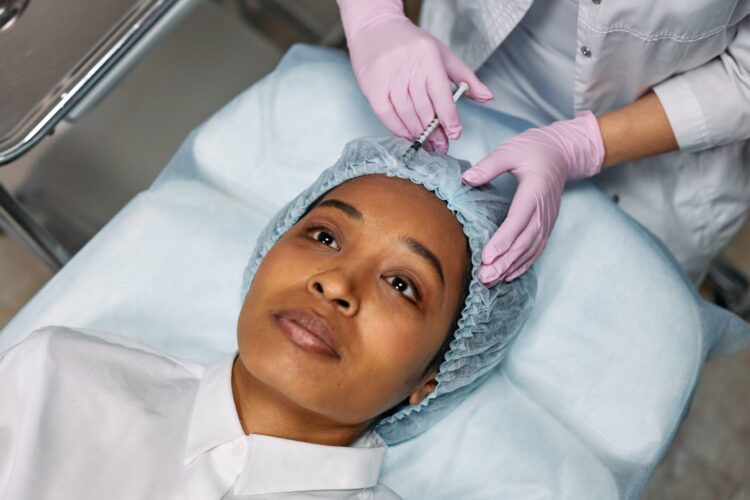
Preventative Botox is a cosmetic treatment that aims to reduce the appearance of wrinkles before they become permanent. It involves getting regular injections of botulinum toxin type A, a neurotoxin that prevents muscle contractions in the face. By doing so, it prevents the formation of fine lines and wrinkles that result from repetitive facial movements such as frowning or squinting.
In recent years, preventative Botox has been on the rise. For people ages 20-29, Botox treatments have increased by 28% since 2010, according to the American Society of Plastic Surgeons. As with anything, it’s easier to prevent issues from starting rather than treating them once they’ve developed. The same is true for wrinkles on the face, and preventative Botox can be the solution to just that.
The rise of preventative Botox can be traced back to several factors that have contributed to its popularity, including:
The increasing acceptance of cosmetic procedures in society. With the introduction of dermal fillers and Botox injections as viable options for treating wrinkles and other signs of aging, cosmetic treatments have become more mainstream. As a result, the stigma attached to cosmetic treatments has diminished, and more people are now open to trying preventative Botox as a way to maintain their youthful appearance.
The growing demand for noninvasive procedures. As opposed to traditional plastic surgery, which involves invasive procedures and extended recovery times, noninvasive procedures like preventative Botox can be done during a lunch break or at the end of the day, with minimal downtime.
There is scientific evidence to support the benefits of preventative Botox. Studies have found that regular injections of botulinum toxin can actually increase collagen production in the skin, resulting in a more youthful and radiant complexion.
If you’ve been considering preventative Botox treatments, you’re not alone! Botox can be a great option for those looking to stave off the signs of aging and maintain a youthful appearance. Some of the most notable benefits of getting preventative Botox injections include:
Whether you’re in your twenties or your fifties, it’s worth considering whether Botox injections might be right for you. Consult with a qualifiedBoca Raton & Fort Lauderdale Botox provider to learn more about the procedure and to determine if it’s a good fit for your individual needs and goals.
While Botox is generally a safe, effective treatment, there are some side effects it’s important to be aware of. Some people may experience mild side effects such as bruising, swelling, or redness at the injection site. More serious side effects such as headaches, nausea, or even droopy eyelids can occur in rarer cases. These side effects are typically temporary and will usually resolve within a few days of the treatment.
Preventative Botox is most used by those over the age of 18 up through their early 30s. If you fall within this age range, you may be a good candidate for preventative Botox.
Preventative botox is most effective for dynamic wrinkles, which are caused by repeated facial movements. These may include frown lines, horizontal forehead lines, and crow’s feet around the eyes. If you notice fine lines on your face when making these facial movements, preventative Botox could work wonders on preventing deep lines from forming.
That being said, preventative Botox is not a one-size-fits-all solution. It’s important to consider your individual skin type and concerns before deciding if this treatment is right for you.
While some people may see results within a few days of treatment, it can take up to two weeks for the full effects to be visible. This is because botulinum toxin takes time to fully bind to the targeted muscles and begin blocking nerve signals.
In general, though, younger patients tend to see faster and more dramatic results from preventative Botox. This is because their skin is more elastic and able to bounce back quickly from the effects of botulinum toxin.
Most medical professionals recommend getting preventative Botox injections every three to four months. The reason for this is that Botox is a temporary solution to reducing the appearance of wrinkles. Over time, the muscles treated with Botox will gradually regain their ability to contract, resulting in wrinkles returning. To prevent this from happening, keeping up with regular Botox treatments is important.
Sanctuary Medical Aesthetic Center is the #1 Botox provider in Boca Raton & Fort Lauderdale, Florida! We offer state-of-the-art preventative Botox treatments that can help you maintain a youthful appearance for longer. Our team of skilled and highly-trained providers use the latest techniques and equipment to ensure a safe and comfortable experience, with minimal downtime.
If you’re interested in learning more about preventative Botox or any of our other cosmetic procedures, contact Sanctuary Medical Aesthetic Center today to schedule a consultation.

Sun damage is a term that refers to the harmful effects of the sun’s ultraviolet (UV) radiation on the skin. Sun damage is caused by prolonged exposure to the sun’s UV rays, which can cause premature aging, dark spots, and an increased risk of skin cancer.
The sun emits two types of UV rays: UVA and UVB. UVA rays penetrate the skin’s inner layer, while UVB rays primarily affect the outer layer of the skin. Both types of UV rays can cause damage to the skin’s DNA and break down collagen, which can lead to premature aging and wrinkles.
Collagen is a protein that is responsible for the skin’s strength and elasticity. It is found in the dermis layer of your skin and is crucial in keeping your skin firm, smooth, and youthful. When exposed to UV radiation, collagen fibers are broken down, leading to the development of wrinkles, fine lines, and sagging skin.
Free radicals are unstable molecules that wreak havoc on our skin’s cells, causing damage to our DNA. This damage can lead to lines, wrinkles, and discoloration.
These spots, also known as liver spots or lentigines, are caused by the uneven distribution of melanin, a pigment that gives color to your skin. Prolonged exposure to the sun can cause an increase in melanin production, which can lead to the development of these unsightly spots.
These rough, scaly patches of skin are a precursor to skin cancer. Sun damage can even weaken the walls of your blood vessels, causing the visible veins and broken capillaries commonly seen in aging skin.
And finally, UV rays can damage the DNA in skin cells, causing mutations that lead to cancer. It’s estimated that one in five Americans will develop skin cancer in their lifetime, making it all the more important to protect our skin from the sun’s harmful rays.
If you’ve spent a lot of time in the sun and are now experiencing the effects of sun damage on your skin, you may be wondering if there’s anything you can do to reverse it. While technically sun-damaged skin cannot be reversed due to UV rays changing the cells of your skin, there are things you can do to improve and minimize the damage.
Exfoliate regularly. Exfoliating your skin regularly can help remove dead skin cells and stimulate new cell growth. Use a gentle exfoliant like a scrub or chemical exfoliant once or twice a week, being careful not to overdo it, as that can cause further damage.
Use skin care products specifically for sun-damaged skin. To help repair your sun-damaged skin, you’ll want to use skincare products that contain ingredients that can help repair and rejuvenate your skin. Look for products that contain ingredients like vitamin C, which can help reduce inflammation and neutralize the free radicals that damage your skin. Retinoids are also effective in reversing sun damage, as they help increase cell turnover and collagen production to reduce the appearance of fine lines and wrinkles.
Schedule professional treatments. If you have significant sun damage, professional treatments may be your best option. Chemical peels, laser therapy, and facials can help reduce the appearance of dark spots and other signs of sun damage.
Here’s how to treat signs of sun damage >>
While treating sun damage is important, working to prevent sun damage will fare better in the long run. Steps you can take to prevent sun damage include:
One of the simplest ways to protect your skin from the sun’s harmful rays is to wear protective clothing. Covering up with long-sleeved shirts, wide-brimmed hats, and sunglasses can help reduce the amount of UV radiation reaching your skin. Choose fabrics that are lightweight, breathable, and tightly woven to offer the most protection.
Applying mineral-based sunscreen is another effective way to protect your skin from sun damage. Choose a broad-spectrum sunscreen with an SPF of at least 30 and apply it generously to all exposed skin.
Tanning beds emit UV radiation, which can cause skin damage and increase the risk of skin cancer. Therefore, it’s best to avoid using tanning beds altogether. Instead, consider using self-tanning products if you want a sun-kissed glow.
Certain medications, such as antibiotics and some acne treatments, can increase your sensitivity to sunlight. Be sure to read the labels and ask your doctor or pharmacist whether any medications you’re taking could cause photosensitivity.
Sanctuary Medical Aesthetic Center in Boca Raton & Fort Lauderdale is the #1 med spa in Boca Raton & Fort Lauderdale, Fl! The state-of-the-art facility offers a variety of services and treatments to help prevent and reverse the signs of sun damage, including premature aging, dark spots, and skin cancer.
Whether you want to brighten your skin with a HydraFacial or improve acne scars, sun damage, or pigmentation with a corrective laser, Sanctuary Medical Aesthetic Center has what it takes to get you looking and feeling your best!
Contact Sanctuary Medical Aesthetic Center to schedule your consultation today!

In all the hustle and bustle before your upcoming wedding, don’t forget to carve out some time to pamper yourself so you can look and feel like a million bucks on your special day. But planning your pre-wedding beauty routine shouldn’t feel like yet another to-do you have to check off your list. To make your wedding beauty regimen a breeze, we’ve created a step-by-step timeline of some of the most popular pre-wedding cosmetic treatments and when to start scheduling each one.
When: 1 year out
One of the first steps you’ll want to take as soon as possible is setting up an appointment with your aesthetic specialist to go over any pesky skin problems you’d like to address before your big day, like acne, scarring dark spots, or wrinkles. Your provider can also help you start making any necessary adjustments to your daily skincare regimen and create a plan for any skin treatments you may want before your wedding.
When: 6 months out
Facials and peels can help you get (and keep) glowing, dewy skin. A good rule of thumb is to start getting regular facials around six months before your wedding. This not only helps you to maintain a gorgeous complexion up until your wedding day, but it also gives you wiggle room to make sure your skin doesn’t have an adverse reaction to any ingredients in the facial or peel — and if it does, you’ll still have plenty of time to try something else that might be a better fit for your skin.
When: 4 months out
Start injectable treatments like dermal fillers and/or BOTOX® a few months in advance to make sure you get them just right. While most fillers can last a year or more, BOTOX typically lasts for 3 to 4 months, so you may need a touch-up treatment closer to your wedding day. Still, it’s a good idea to have a “test run” several months out, especially if you’ve never tried BOTOX before. If you’re new to fillers, ask your injectable provider about hyaluronic acid (HA) fillers. HA fillers can be dissolved at any time, just in case you don’t love your results, while other types of fillers will take months to fade away on their own.
Even if you’re not new to injectable treatments, you’ll still want to schedule fillers or BOTOX far in advance because it can take several weeks for swelling and redness to diminish and your final results to develop.
When: 1 year out
Hair grows in three distinct phases, and laser hair removal only treats hair that is currently in its active growing phase. For this reason, you’ll need around 6 to 8 treatment sessions, each spaced 4 to 6 weeks apart, to achieve the smooth, effortless skin you want. So make sure you start laser hair removal treatments at least 12 months before your wedding day.
When: 4 months out
EMSCULPT tones and tightens your abs, glutes, and thighs, enhancing all the right curves in time for your wedding day. You’ll see the best results after a series of around four EMSCULPT sessions, each spaced a few days apart. Then, it can take up to six weeks after your final session for your body contouring results to fully develop.
When: 2 to 3 days out
It’s a good idea to get a trial spray tan before your final wedding dress fitting so you can see how your tan will look in your dress. Then, if you’ve decided you like it, get a final spray tan a few days before your wedding. Exfoliate your skin prior to your spray tan for an even glow. Avoid getting a spray tan the night before your wedding because it’ll take a couple days for the tan to develop.
When: 6 months out
If you plan to change your hair color for your wedding, start trialing your new color at least six months out, then schedule a touch-up appointment with your stylist 1 to 2 weeks before your wedding. Most hairstylists suggest staying within a shade or two of your natural hair color — whether lighter or darker — before your big day.
When: 3 months out
Get fuller, smoother, healthier-looking hair in time for your special day with HydraFacial Keravive scalp treatments. Schedule your in-office appointment at least three months out so you can enjoy full results as you walk down the aisle. While allergic reactions with this non-invasive treatment are rare, this timeline should also give you plenty of wiggle room just in case.
When: 3 months out
Start eyebrow treatments a few months out so you can be sure you love your new brow shape and look before your big day, especially if you’re new to professional brow treatments. If you’re making big changes to your brows, you may want to start a little earlier. Then, schedule touch-up treatment a week or two before your wedding.
One pre-wedding brow mistake to avoid: Don’t get your brows waxed the night before your wedding, unless you want to risk looking red and puffy the next day!
When: 3 weeks out
Schedule your first lash extension appointment around three weeks out to make sure you don’t have an allergic reaction to the glue. Then, go in for a touch-up just a few days before your wedding to ensure your lashes are in tip-top shape.
When: 1 year out
If you’re looking to straighten your smile before walking down the aisle, see an Invisalign-trained dentist at least a year beforehand because it can take 11 to 12 months to see optimal results. However, if you’re pressed for time, you may see noticeable results after even just a few months of use, and you can take your Invisalign out for your big day and then continue your treatment after your wedding.
When: 1 month out
If you’re planning on getting in-office teeth whitening treatments, you can usually schedule these around a month before the big day to see stellar results. However, you may want to start at-home whitening strips two months out to make sure you have time to maximize your results.
Getting a gorgeous, glowing look before your wedding can be a whole lot easier than you might think. The key is to start planning your beauty treatments now so you have plenty of time to enjoy your full results in time to walk down the aisle.
Ready to start planning your pre-wedding pampering? Call our Boca Raton & Fort Lauderdale office today at 561-246-5375 or contact us online to schedule your consultation with one of our knowledgeable skincare professionals and start creating a customized beauty plan!
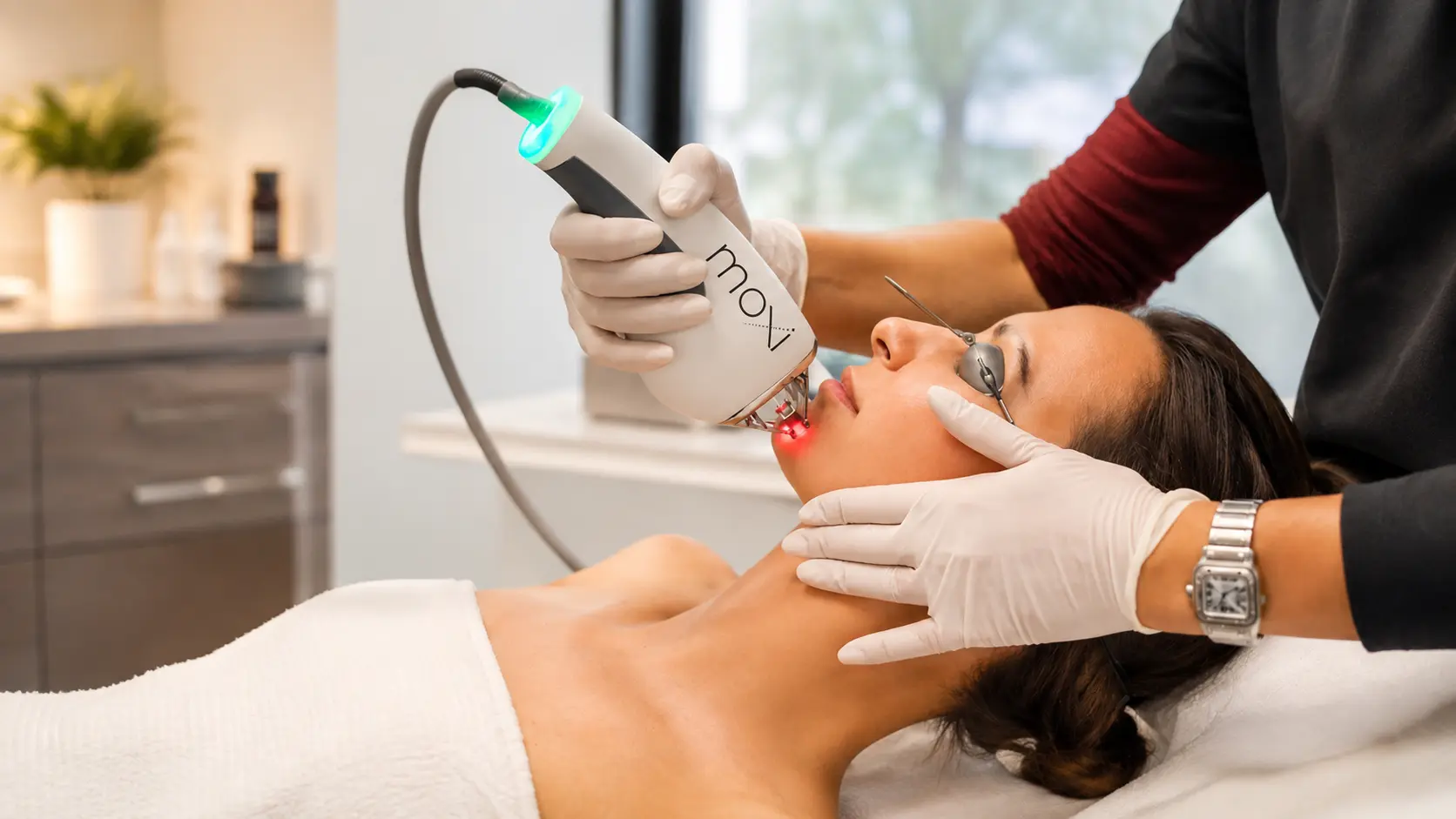
Three laser names come up constantly in the same conversation, and most patients walk into a consultation already mixing them up. Halo®, BBL®, and MOXI™ all come from the same laser company, all promise smoother, more even skin, and all get recommended online without much explanation of what actually separates one from the next.
At Sanctuary Medical Aesthetic Center in Boca Raton and Fort Lauderdale, we walk patients through this exact question in nearly every laser consultation, and the short answer is that these three treatments are not interchangeable. Each one is built to solve a different problem, and knowing which is which changes what you should actually book.
Laser and light based skin treatments have become one of the most common categories in modern skincare, and the overlap between similar sounding options is a big part of why. According to the American Society of Plastic Surgeons, skin resurfacing treatments such as fractional lasers and skin treatments such as intense pulsed light therapy both consistently rank among the top five most popular minimally invasive cosmetic procedures performed nationwide.
Halo® and MOXI™ both fall under the skin resurfacing category since they are fractional lasers, while BBL® falls under the broader skin treatment category as a form of intense pulsed light. That distinction alone explains a lot about why these three treatments feel similar on the surface but are built for different jobs underneath.
Halo® is a hybrid fractional laser, meaning it combines an ablative wavelength and a non-ablative wavelength in the same pass. The ablative side treats the surface of the skin directly, while the non-ablative side works deeper to stimulate collagen, giving Halo® more intensity than MOXI™ without the extended downtime of a fully ablative laser. Halo® also uses dynamic thermal optimization technology, which continuously monitors skin temperature during treatment and adjusts automatically to keep the session both safe and effective.
Halo® is generally the strongest option of the three for meaningful texture correction, since it addresses uneven tone, enlarged pores, fine lines, sun damage, and skin laxity in a single, more intensive session. Most treatments take under 30 minutes, though the skin is typically red and tender for a few days afterward, with results continuing to build over the following weeks as collagen production increases.
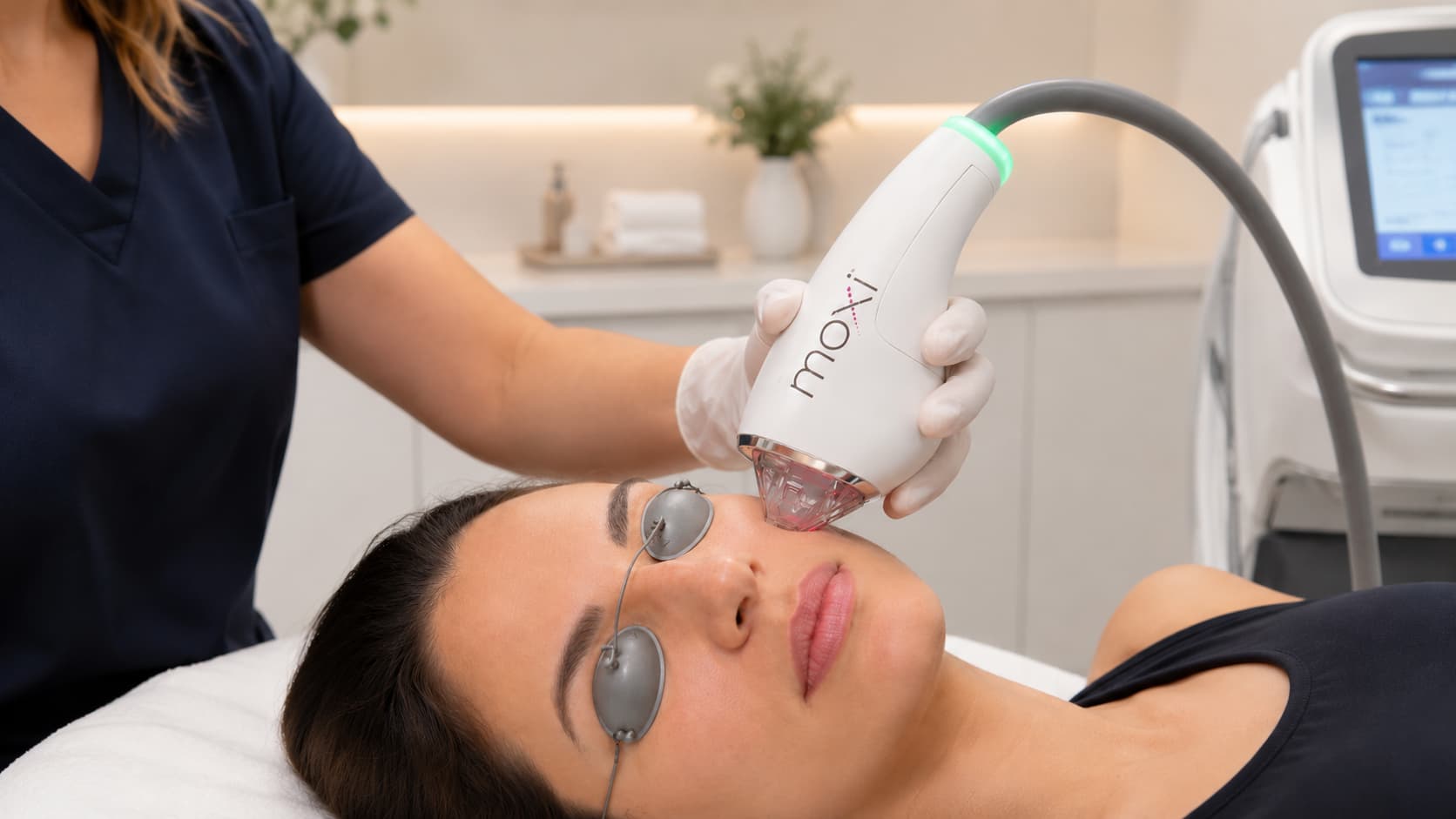
MOXI™ is also a fractionated, non-ablative laser, but without the ablative component Halo® uses. That makes it noticeably gentler, breaking treatment energy into thousands of microscopic points rather than treating the surface directly, which is why MOXI™ is comfortable enough for regular, ongoing use rather than a once-a-year intensive treatment.
MOXI™ works best as a prejuvenation tool, meaning it helps slow visible aging before it shows up rather than correcting significant existing damage the way Halo® does. It also handles pigmentation concerns that more aggressive lasers can worsen, including melasma, which is why our team often recommends it specifically for patients managing that type of discoloration. Most patients see initial improvement within about a week, with full results developing over roughly three months following a series of three to four sessions.
BBL®, short for broadband light, works differently from Halo® and MOXI™ entirely, since it is a form of intense pulsed light rather than a true laser. Multiple wavelengths of light are delivered at once, allowing it to cover a broader area and address a wider mix of concerns in a single pass, though at a shallower depth than Halo®’s ablative component reaches.
BBL® earns its reputation by handling a genuinely wide range of surface level concerns, including sun damage, redness, rosacea, broken blood vessels, and acne scarring, typically in about 15 minutes with essentially no downtime. Most patients notice improvement within days, with a series of two to four sessions producing results that hold for several months before a touch-up is needed.
If texture, pores, and more significant sun damage are the main concern, Halo® usually delivers the most noticeable change in the fewest sessions. If the goal is gentle, ongoing maintenance or managing melasma specifically, MOXI™ is the safer, more comfortable choice. If redness, rosacea, or broken blood vessels are the primary issue, BBL® is generally the better fit. Many patients end up combining two or even all three over time, using each one for the specific job it does best rather than picking a single treatment to do everything.
Sanctuary Medical Aesthetic Center has served more than 65,000 patients across Boca Raton and Fort Lauderdale, earning more than 600 five-star reviews over 25 years in business. Our Medical Director, board certified plastic surgeon Dr. Jason Pozner, serves as a clinical educator for Sciton®, the company behind Halo®, BBL®, and MOXI™, which is part of why our team trains on this technology at a level most practices do not.
Choosing between these three treatments, or combining them, starts with an honest look at your specific skin rather than a generic answer applied to every patient who walks in asking about any one of them.
Can these treatments be combined in the same visit?
Yes, and many patients do exactly that. Halo® and BBL® are sometimes paired for a more comprehensive result, while MOXI™ is often layered in afterward as ongoing maintenance between more intensive sessions.
Which one has the least downtime?
MOXI™ and BBL® both involve little to no downtime, while Halo® typically causes a few days of redness and tenderness because of its ablative component.
Is one of these safer for pregnancy or nursing?
Most providers recommend waiting until after pregnancy and breastfeeding for any of the three, since safety data during this time is limited. Melasma often appears or worsens during pregnancy, but treating it is generally something to plan for afterward.
The fastest way to know whether Halo®, BBL®, MOXI™, or some combination is right for you is a consultation with a provider who can actually evaluate your skin rather than just repeat a list of benefits.
Book your appointment with Sanctuary Medical Aesthetic Center and get a laser treatment plan built around what your skin actually needs.

Happy Mother’s Day! We’re here to help you plan an extra-special day out in beautiful Boca Raton & Fort Lauderdale with the moms, grandmothers, and other special women in your life. Take a look at a few of our favorite brunch and lunch spots in Boca, as well as a few hand-picked luxury gift items that Mom is sure to love.
Try these spots for a relaxing brunch on Sunday morning with Mom.
Known for its locally-sourced, farm-to-table meals, Farmer’s Table serves up delicious yet nutritious brunch every Saturday and Sunday from 10am to 3pm. If you go on Sunday, you can also treat Mom to a live jazz brunch. Farmer’s Table is the perfect spot for the health-conscious ladies in your life, serving “feel good food” that’s both good for you and good for the planet. You’ll find everything from organic produce to antibiotic- and hormone-free proteins and even sustainably-sourced wines on the menu here.
This charming restaurant in East Boca serves locally-sourced breakfast and lunch all day from 8am to 3pm, so you won’t be in a time crunch to treat Mom to a lovely brunch. Sit inside or outside and enjoy fan-favorites like cinnamon crunch pancakes, banana bread french toast, or hearty breakfast tacos. When you’re finished at the Boca Beach House, you can take Mom on a short walk to the beach.
Treat Mom to a tasty lunch from one of these chic dining spots in Boca.
Known for its authentic Italian cuisine, Le Sorelle boasts homemade pasta, fresh-baked bread, brick-oven pizza, fresh seafood, and even homemade limoncello. Enjoy a traditional Italian meal in a homey atmosphere, complete with live music and some of the friendliest service around. You may want to book a reservation if you plan on stopping by over Mother’s Day weekend, as Le Sorelle attracts quite the crowd!
Looking for fresh sushi in a quiet, relaxing atmosphere? Look no further than Sushi Rock Boca Raton & Fort Lauderdale, open for lunch and dinner. Find a range of contemporary Japanese cuisine, including unique sushi rolls like the Volcano roll and Madonna roll, as well as Thai soups, dinner classics, and desserts.
Looking to pair the perfect Mother’s Day gift with brunch or lunch, but not quite sure what to get? Consider these luxurious gift options Mom is sure to love!
Every mom could use a little relaxation and self-care in her life, but we all know moms are often reluctant to take time away for themselves. Give Mom the gift of self-care with a gift card to Sanctuary Medical Aesthetic Center, where she can enjoy a relaxing facial like the popular HydraFacial, or treat herself to a laser treatment or injectable treatment. Through May 14th treat your mom (or any special woman in your life) to a little extra relaxation and self-care this year. It’s the perfect way to say “thank you” for all the love and support she gives.
Easily purchase a gift card online or stop by our Boca Raton & Fort Lauderdale office to pick up the gift every Mom wants this Mother’s Day!
Step up your flower-giving game this Mother’s Day with this jaw-dropping eternity rose letter set that spells out “Mom” in two dozen roses, beautifully packaged in upright display boxes. Even better still, these roses can last a year or longer when properly cared for, so Mom can continue enjoying this gift all year long!
This high-end at-home spa kit lets Mom enjoy a spa experience from the comfort of her own bathroom. It includes an antioxidant-infused, moisturizing face mask, ultra-rich, skin-calming balm, a clarifying and hydrating facial steamer, and a cozy headband made of sustainable cotton. This at-home spa set also pairs perfectly with a Sanctuary gift card, so Mom can enjoy the best of both worlds: safe and effective in-office skin treatments and a relaxing spa day at home.

The 13th-annual New Beauty Beauty Award winners are in, and we’re loving so many of the products and treatments that topped the charts this year! While New Beauty editors showcased a whopping 399 cream-of-the-crop beauty products and treatments, we narrowed down our picks to the top 10 in-office skin treatments of 2023.
Take a look at our favorite New Beauty Award winners and what makes them such stand-out treatments.
It comes as no surprise that BOTOX would top the charts of New Beauty’s list of the best in-office treatments of 2023. This anti-aging powerhouse remains one of the most popular injectable treatments year after year, thanks to its ability to smooth away fine lines and wrinkles while still maintaining a natural appearance.
The key to getting the most natural-looking BOTOX results, however, is to work with an experienced injector who has a deep understanding of facial anatomy. When paired with an expert injector, BOTOX can work wonders reducing crow’s feet, “11s lines” between the brows, forehead lines and more.
This muscle-toning tool earned a top spot as one of the best body sculpting treatments of the year. EMSCULPT NEO uses a combination of radiofrequency energy an HIFEM® (high-intensity focused electromagnetic) technology to tone muscles and reduce fat at the same time. HIFEM technology stimulates muscle contractions in the targeted area, delivering the equivalent muscle-toning capabilities of 20,000 crunches in a single session.
The result is a slimmer, more toned physique without the sweat equity it would take to perform thousands of crunches on your own.
CoolSculpting has become a household name in body contouring. CoolSculpting Elite is the newest, most advanced version of this tried-and-true fat-reduction treatment, offering twice the cooling power and adding the ability to treat multiple areas at the same time.
CoolSculpting Elite uses the same revolutionary fat-freezing technology as traditional CoolSculpting, but adds advanced features like a new C-shaped applicator for greater precision, DualSculpting for treating multiple areas, and improved safety features that reduce the amount of suction the device places on the skin.
Like its predecessor, CoolSculpting Elite can reduce up to 25% of unwanted fat in each treatment area in a single session. However, some people see even more comprehensive results after a series of up to three CoolSculpting treatments.
This non-invasive skin-tightening device uses ultrasound technology to stimulate and remodel collagen for firmer, more youthful-looking skin. Sofwave can safely and effectively reduce fine lines and wrinkles, lift drooping brows and sagging jowls, and can now also improve the appearance of cellulite. Even better still, initial Sofwave results are often visible as early as one week after treatment, though it can take several months for full results to develop.
The HALO laser stands out for its cutting-edge combination of ablative and non-ablative wavelengths, giving this laser treatment the ability to reach deeper layers of skin without extensive downtime. HALO gently and effectively treats a wide range of common skin problems, including dark spots, uneven tone and texture, fine lines and wrinkles, enlarged pores, and acne scars.
While you can see significant results after a single HALO laser treatment session, many people can optimize those results with a series of 2 to 4 sessions spaced several weeks apart. HALO results are generally long-lasting, with yearly touch-up treatments recommended to maintain those excellent results.
Restylane Kysse and Contour both made the New Beauty list of the top in-office treatments in 2023, thanks to their unique XpresHAn technology. This innovative formula allows the hyaluronic acid in Restylane fillers to move seamlessly along with your natural facial movements, providing an ultra-natural look and feel.
Restylane Kysse is specifically designed for use in the lips, adding pillowy volume and subtly reshaping your lips for a natural, yet noticeable pout. Restylane Contour is designed for added volume to your cheeks and smoothing away fine lines and wrinkles in your mid-face area. Both products can last up to one year.
Sculptra is a poly-L-lactic acid injectable filler that was first FDA approved nearly two decades ago for its ability to restore lost facial volume. Most recently, in April 2023, this long-lasting injectable treatment received FDA approval for the correction of fine lines and wrinkles, adding to its array of uses as an anti-aging treatment.
Sculptra stands out from the crowd of dermal filler products in that it adds the benefit of promoting your skin’s natural collagen production. This allows for longer-lasting results than is possible with many other types of fillers. While the average hyaluronic acid filler lasts around 12 months, Sculptra can last 2 to 5 years.
Another collagen-boosting injectable, Radiesse contains calcium hydroxyapatite (CaHA) gel microspheres, which begin working immediately to add volume and smooth away lines and wrinkles. Over time, Radiesse also triggers your skin’s natural collagen production, providing longer-lasting results even after the microspheres have worn away.
Radiesse is unique in that it is often injected into the backs of the hands to add volume and create a more youthful appearance, though it is also commonly used to smooth away facial wrinkles.
HydraFacial is a customizable skin treatment that packs a punch for your skin: It cleanses, hydrates, exfoliates, and protects your skin with a single 30-minute session. What we love most about this relaxing facial is that it’s gentle enough to be used on all skin types, even sensitive skin, yet offers highly effective results.
Whether you’re bothered by fine lines and wrinkles, dark spots or a dull complexion, or enlarged pores and oily skin, HydraFacial can be a stress-free treatment option to help you meet your skincare goals.
We all want to look as energized and youthful as we feel on the inside. FDA-approved Upneeq offers an innovative solution to getting a brighter, more alert appearance without surgery or downtime. Upneeq is a once-daily eye drop that lifts the upper eyelids to create a brighter, more wide-awake look.
Think one (or more!) of these top-rated New Beauty Award winners sound like the perfect solution for you? Call our Boca Raton & Fort Lauderdale office today at 561-462-0347 or contact us online to book your consultation with one of our medically-trained skincare experts and create a personalized treatment plan to meet your unique needs.

Hyperpigmentation happens when your skin produces too much of the pigment melanin, which gives skin its color. As a result, darker areas of skin show up on the surface. These spots can be brown, black, gray, red, or pink in color and can range in size and shape.
The underlying causes of hyperpigmentation depend on the specific type you have. Similarly, the key to choosing the best treatment and prevention options is to know what type of hyperpigmentation you have, as certain types respond better to certain treatments.
Here, we break down the four most common types of hyperpigmentation, explaining what causes them, what they look like, and how to treat and prevent them.
Also called sun spots, age spots, or liver spots, solar lentigines develop as a result of sun exposure. They are most common on areas like your face, hands, shoulders, and other areas that are often exposed to the sun. While sun spots can develop quickly after sun exposure, they most frequently occur as a result of accumulated UV damage, so you might not see them on your skin until years later.
The best way to prevent sun spots is to wear daily sunscreen, reapplying every two hours when outdoors or after swimming. Sun-protective clothing like wide-brimmed hats and lightweight, long-sleeved shirts can also help to prevent dark spots caused by the sun.
Laser and light treatments such as Sciton’s BBL Hero™ are some of the most effective treatments for sun spots. BBL Hero emits wavelengths of broadband light, which are then absorbed by the pigment in the targeted area. This breaks up the excess pigment and it is eliminated by your body’s natural metabolic processes.
One of the biggest benefits of BBL Hero is that it does not require extensive downtime or recovery time, so you can get back to your normal daily activities directly after your appointment.
Freckles, medically referred to as “ephelides,” are similar to solar lentigines in appearance. The main difference between freckles and sun spots is that true freckles have a genetic component to them and can be worsened by sun exposure. Lentigines, on the other hand, are caused solely by sun exposure and are not influenced by genetics.
People with red hair often have freckles because both traits are caused by a variation in the gene MC1R. This genetic variation causes a type of pigment called pheomelanin to be produced instead of the more common eumelanin. Pheomelanin is what gives red hair its color and freckles their rusty-brown color.
While freckles cannot be prevented altogether because they are linked to genetics, limiting sun exposure and being diligent about sunscreen use can help to minimize their appearance. Laser and light treatments and skin-lightening ingredients can also help to minimize the appearance of freckles.
Melasma appears as flat brown or gray patches of skin. It is commonly referred to as “the mask of pregnancy,” as it most frequently occurs in pregnant women. This is because melasma is linked to elevated estrogen and progesterone levels, which occur with pregnancy as well as in women on hormonal birth control or hormone replacement therapy. For this reason, melasma may sometimes resolve on its own after pregnancy or after medications such as birth control are discontinued.
In some cases, however, melasma may respond best to treatment options such as topical skin-lightening products and gentle laser treatments like MOXI™. Not all laser treatments are suitable for treating melasma, as some can worsen dark spots caused by melasma. MOXI, on the other hand, is a safe and effective melasma treatment because it does not produce high levels of heat like some other laser skin treatments.
Melasma can also be worsened by sun exposure, so sun protection is a must when it comes to preventing future dark spots and minimizing existing spots.
Post-inflammatory hyperpigmentation occurs when too much melanin is produced during the wound-healing process, resulting in a discolored patch of skin. While PIH is not technically a scar, it is often confused with scarring because of its location at wound sites on the skin. Post-inflammatory hyperpigmentation often occurs after an acne breakout. Avoid popping pimples or picking at acne lesions, cuts, scrapes, or other skin injuries to help prevent this type of hyperpigmentation.
Sometimes, however, PIH will occur even if you do your best not to pick at scabs or pimples. Post-inflammatory hyperpigmentation can be treated with topical skin-lightening ingredients such as vitamin C, azelaic acid, kojic acid, or hydroquinone. Gentle chemical peels or laser or light treatments like BBL Hero can also be effective treatment options for PIH.
Moles (nevi) and dark spots are commonly referred to interchangeably. However, there are a few notable differences. Moles are a type of skin growth caused by clusters of melanocytes, the cells that produce melanin, and are therefore often raised from the surface of the skin. Moles can be present from birth or may show up on the skin later in life, whereas dark spots caused by hyperpigmentation worsen with sun exposure and tend to appear on areas of the face and body that are often exposed to the sun.
Additionally, moles and skin cancer lesions can be similar in appearance, so it is important to get a yearly skin exam from your dermatologist to check for signs of skin cancer. Sun spots, freckles, melasma, and post-inflammatory hyperpigmentation are not cancerous.
The best treatment for dark spots on your skin will depend on what type of hyperpigmentation you have. This is why getting a proper diagnosis from your dermatologist is such a crucial step in finding the most effective treatment that won’t worsen symptoms.
Are you ready to take the first step toward getting a brighter, more even skin tone? Call our Boca Raton & Fort Lauderdale office today at 561-462-0489 or contact us online to schedule an appointment with one of our medically-trained skincare professionals.