














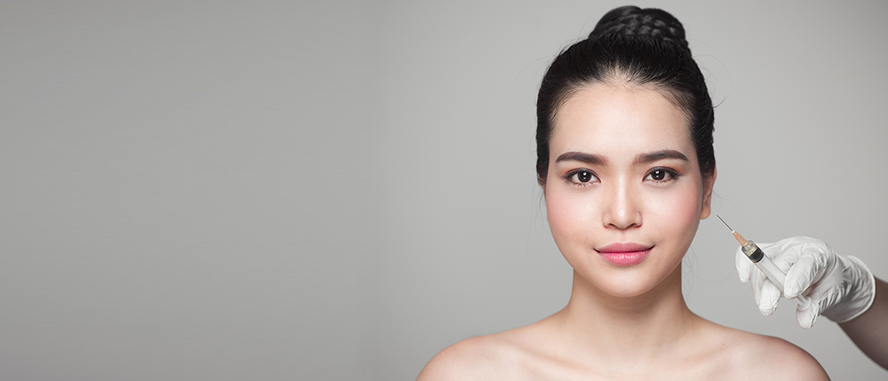





































How South Florida Heat and Humidity Change What Your Skin Needs in Summer
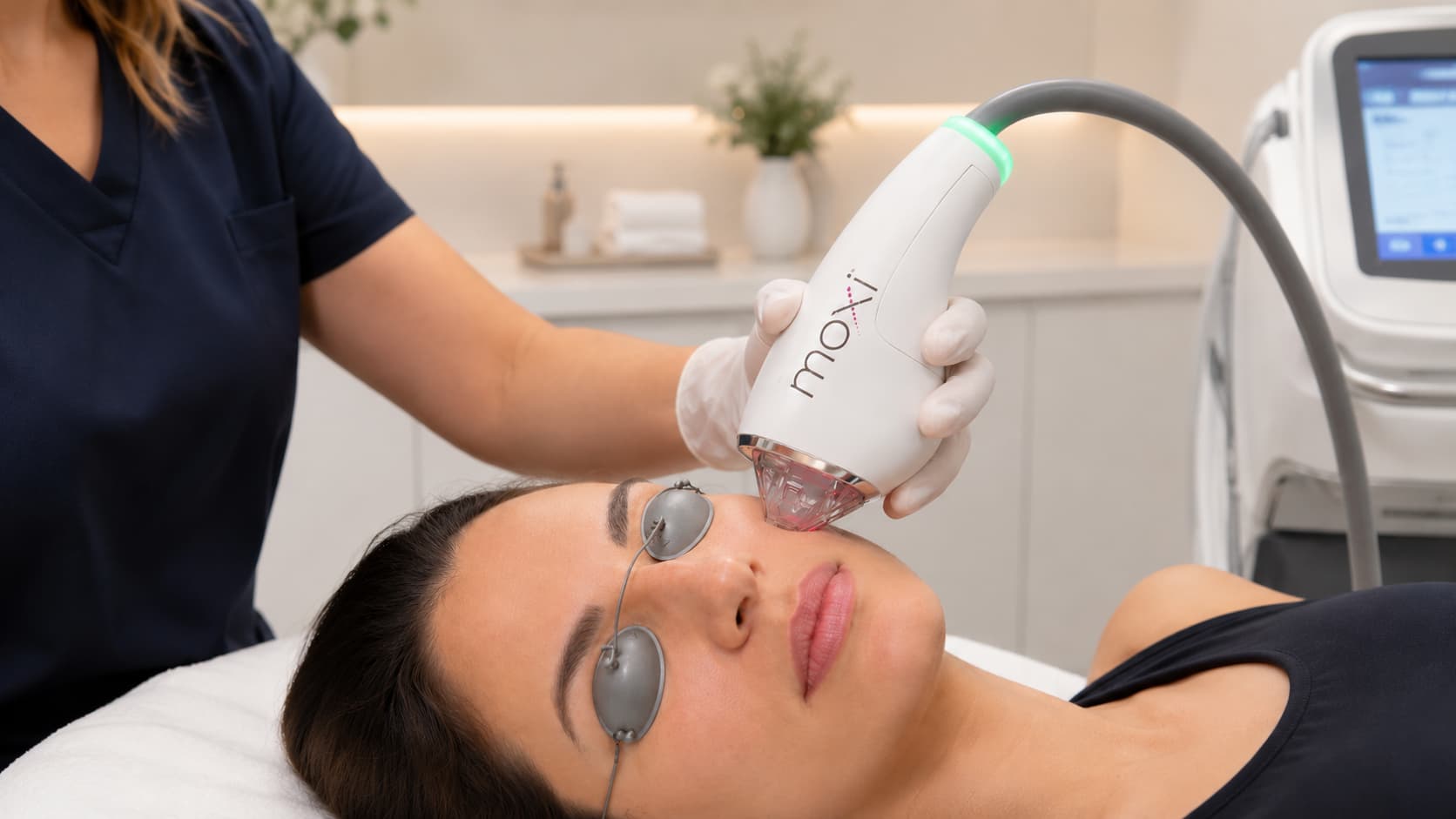
You did not change your products. You did not skip steps. But somewhere around June, your skin started behaving differently. It feels heavier. Your pores look larger. The foundation that looked flawless in February is sitting differently now, and the routine that worked through fall and winter is suddenly not doing what it used to.
This is not a problem with your products. It is the South Florida summer, changing the conditions your skin is working in, and your routine simply needs to catch up.
The American Academy of Dermatology identifies a distinct set of summer skin problems driven specifically by heat, humidity, sweat, and UV exposure. For most patients in most parts of the country, those conditions arrive in June and ease off by September. In Boca Raton and Fort Lauderdale, they are a year-round reality, at their most intense right now.
Heat increases sebum production. When skin temperature rises, the sebaceous glands become more active and produce more oil than they do in cooler conditions. For patients with oilier or combination skin, this translates to more congestion, more visible pores, and more frequent breakouts. For patients who typically run dry, this can create a surface that feels oilier while the deeper layers remain dehydrated.
Heat also activates melanocytes. Elevated skin temperature stimulates the cells responsible for pigment production, which is one reason sun-triggered pigmentation and skin discoloration concerns that were manageable in cooler months become more active and visible as summer progresses.
For South Florida patients already managing melasma, rosacea, or uneven skin tone, heat alone can trigger a flare without additional sun exposure.
When you understand what heat is doing beneath the surface, the changes your skin goes through in summer stop feeling unpredictable and start feeling like something you can actually plan around.
Humid outdoor air can feel moisturizing, but South Florida patients often find it does not behave that way for their skin. The challenge is not the humidity itself. It is the constant transition between the heat and humidity outdoors and the aggressive air conditioning running in most indoor spaces. That swing is more disruptive to the skin barrier than either environment alone.
Air conditioning pulls moisture from the air and from the skin, and patients who spend significant hours indoors during summer often experience dryness and sensitivity that feel at odds with the weather outside.
Sweat adds another layer. When perspiration mixes with sunscreen, makeup residue, and the natural oils the skin is already producing at a higher rate, the combination can clog pores and disrupt the skin’s surface. This is one of the primary reasons summer breakouts occur in patients who barely experience them at other times of the year.
Patients who adapt their routine around this reality stop reacting to summer breakouts and start preventing them from forming in the first place.
Florida ranks among the states with the highest year-round UV indices in the continental U.S., and summer brings UV levels that regularly reach extreme levels during midday hours. Intensity is further amplified by reflection off water, sand, and open sky, which means outdoor time in Boca Raton and Fort Lauderdale carries a UV load most patients significantly underestimate.
The cumulative daily exposure that South Florida patients accumulate over a summer of outdoor activity, driving, and time by the water degrades the skin’s lipid barrier and builds the kind of UV debt that shows up as pigmentation, texture changes, and accelerated aging, even when no single outing feels extreme.
Two things earn their place in a summer routine specifically because of this UV load. Antioxidant serums, particularly vitamin C, help neutralize free-radical damage from UV exposure before it manifests as visible changes.
Applied in the morning under SPF, they meaningfully extend the protective effect of sunscreen. SPF itself benefits from attention to quantity and reapplication, since most patients apply far less than the tested amount, thereby reducing the actual protection they receive.
The goal is not to react to the pigmentation and texture changes that show up in September. It is interrupting the accumulation cycle that creates them, while there is still time to change the outcome.
The goal of a summer routine adjustment is not starting from scratch. It is recalibrating what already works to account for changes.
Formulations are the first area to revisit. Heavier moisturizers and oil-based products that work well in drier, cooler months can add unnecessary weight when sebum production is already elevated. Switching to lighter, water-based, or gel formulations during summer helps keep the skin balanced without the congestion that heavier products can cause under these conditions.
A thorough evening cleanse that removes the day’s accumulation of sweat, SPF, and oil is more important in summer than in any other season. Patients who cleanse once a day in the cooler months often find that a second cleanse becomes genuinely necessary in summer, particularly on days spent outdoors for extended periods.
A HydraFacial fits naturally into a summer routine reset. It delivers deep cleansing, exfoliation, and hydration in a single session with no downtime and no increased sun sensitivity. For patients managing congestion, dullness, or surface buildup from sweat and SPF, it resets the skin without exposing it to UV risk.
Dermaplaning removes the surface layer of dead skin cells and fine vellus hair, immediately improving texture and allowing serums and SPF to sit more evenly. With zero downtime and no photosensitivity, it is one of the cleanest treatment options available this time of year.
Patients who make these adjustments in June arrive in the fall with skin that has stayed clear, even, and protected through the most demanding stretch of the year, rather than with months of UV damage and congestion to address.
Summer in South Florida is not the season for aggressive laser resurfacing or deep peels. Those belong in the fall, when UV intensity drops and skin has the recovery window it needs. Summer is the right season for the maintenance and brightening tier.
For patients managing sun-triggered pigmentation, BBL photofacial treatments can address existing UV damage when scheduled with adequate sun avoidance before and after each session. Our team assesses each patient’s sun exposure patterns before recommending the timing of BBL in summer.
Medical-grade chemical peels at lighter depths can improve tone and texture with appropriate timing and aftercare, while deeper peel protocols are better reserved for fall.
The general principle for summer treatment planning is straightforward: choose treatments that deliver results without requiring a recovery period. Your skin cannot adequately protect itself during the warmest, sunniest months of the year. Patients who plan this way arrive in September with visible progress rather than a backlog of recovery.
Sanctuary Medical Aesthetic Center has been serving patients in Boca Raton and Fort Lauderdale since 2006, with two South Florida locations and a team that includes board-certified dermatologists, board-certified plastic surgeons, physician assistants, nurse practitioners, and licensed medical aestheticians.
As home to the largest laser facility in the southeast region, we have the depth of expertise and technology to support every phase of the skincare calendar. We build treatment plans around what South Florida patients actually live in, from the intense UV and heat of summer through the laser-ready conditions of fall.
What your skin needs this month is genuinely different from what it needed in November, and we plan around that reality every time.
Summer is the right time to adjust, not to wait out. Our team at Sanctuary Medical Aesthetic Center will assess where your skin is right now, what the season is doing to it, and what changes to your routine and treatment schedule will carry you through the rest of the summer looking and feeling your best.
Book your appointment and let us build your plan.