






















































How South Florida Heat and Humidity Change What Your Skin Needs in Summer
You did not change your products. You did not skip steps. But somewhere around June, your skin started behaving differently. It feels heavier. Your pores look larger. The foundation that looked flawless in February is sitting differently now, and the routine that worked through fall and winter is suddenly not doing what it used to.
This is not a problem with your products. It is the South Florida summer, changing the conditions your skin is working in, and your routine simply needs to catch up.
The American Academy of Dermatology identifies a distinct set of summer skin problems driven specifically by heat, humidity, sweat, and UV exposure. For most patients in most parts of the country, those conditions arrive in June and ease off by September. In Boca Raton and Fort Lauderdale, they are a year-round reality, at their most intense right now.
Heat increases sebum production. When skin temperature rises, the sebaceous glands become more active and produce more oil than they do in cooler conditions. For patients with oilier or combination skin, this translates to more congestion, more visible pores, and more frequent breakouts. For patients who typically run dry, this can create a surface that feels oilier while the deeper layers remain dehydrated.
Heat also activates melanocytes. Elevated skin temperature stimulates the cells responsible for pigment production, which is one reason sun-triggered pigmentation and skin discoloration concerns that were manageable in cooler months become more active and visible as summer progresses.
For South Florida patients already managing melasma, rosacea, or uneven skin tone, heat alone can trigger a flare without additional sun exposure.
When you understand what heat is doing beneath the surface, the changes your skin goes through in summer stop feeling unpredictable and start feeling like something you can actually plan around.
Humid outdoor air can feel moisturizing, but South Florida patients often find it does not behave that way for their skin. The challenge is not the humidity itself. It is the constant transition between the heat and humidity outdoors and the aggressive air conditioning running in most indoor spaces. That swing is more disruptive to the skin barrier than either environment alone.
Air conditioning pulls moisture from the air and from the skin, and patients who spend significant hours indoors during summer often experience dryness and sensitivity that feel at odds with the weather outside.
Sweat adds another layer. When perspiration mixes with sunscreen, makeup residue, and the natural oils the skin is already producing at a higher rate, the combination can clog pores and disrupt the skin’s surface. This is one of the primary reasons summer breakouts occur in patients who barely experience them at other times of the year.
Patients who adapt their routine around this reality stop reacting to summer breakouts and start preventing them from forming in the first place.
Florida ranks among the states with the highest year-round UV indices in the continental U.S., and summer brings UV levels that regularly reach extreme levels during midday hours. Intensity is further amplified by reflection off water, sand, and open sky, which means outdoor time in Boca Raton and Fort Lauderdale carries a UV load most patients significantly underestimate.
The cumulative daily exposure that South Florida patients accumulate over a summer of outdoor activity, driving, and time by the water degrades the skin’s lipid barrier and builds the kind of UV debt that shows up as pigmentation, texture changes, and accelerated aging, even when no single outing feels extreme.
Two things earn their place in a summer routine specifically because of this UV load. Antioxidant serums, particularly vitamin C, help neutralize free-radical damage from UV exposure before it manifests as visible changes.
Applied in the morning under SPF, they meaningfully extend the protective effect of sunscreen. SPF itself benefits from attention to quantity and reapplication, since most patients apply far less than the tested amount, thereby reducing the actual protection they receive.
The goal is not to react to the pigmentation and texture changes that show up in September. It is interrupting the accumulation cycle that creates them, while there is still time to change the outcome.
The goal of a summer routine adjustment is not starting from scratch. It is recalibrating what already works to account for changes.
Formulations are the first area to revisit. Heavier moisturizers and oil-based products that work well in drier, cooler months can add unnecessary weight when sebum production is already elevated. Switching to lighter, water-based, or gel formulations during summer helps keep the skin balanced without the congestion that heavier products can cause under these conditions.
A thorough evening cleanse that removes the day’s accumulation of sweat, SPF, and oil is more important in summer than in any other season. Patients who cleanse once a day in the cooler months often find that a second cleanse becomes genuinely necessary in summer, particularly on days spent outdoors for extended periods.
A HydraFacial fits naturally into a summer routine reset. It delivers deep cleansing, exfoliation, and hydration in a single session with no downtime and no increased sun sensitivity. For patients managing congestion, dullness, or surface buildup from sweat and SPF, it resets the skin without exposing it to UV risk.
Dermaplaning removes the surface layer of dead skin cells and fine vellus hair, immediately improving texture and allowing serums and SPF to sit more evenly. With zero downtime and no photosensitivity, it is one of the cleanest treatment options available this time of year.
Patients who make these adjustments in June arrive in the fall with skin that has stayed clear, even, and protected through the most demanding stretch of the year, rather than with months of UV damage and congestion to address.
Summer in South Florida is not the season for aggressive laser resurfacing or deep peels. Those belong in the fall, when UV intensity drops and skin has the recovery window it needs. Summer is the right season for the maintenance and brightening tier.
For patients managing sun-triggered pigmentation, BBL photofacial treatments can address existing UV damage when scheduled with adequate sun avoidance before and after each session. Our team assesses each patient’s sun exposure patterns before recommending the timing of BBL in summer.
Medical-grade chemical peels at lighter depths can improve tone and texture with appropriate timing and aftercare, while deeper peel protocols are better reserved for fall.
The general principle for summer treatment planning is straightforward: choose treatments that deliver results without requiring a recovery period. Your skin cannot adequately protect itself during the warmest, sunniest months of the year. Patients who plan this way arrive in September with visible progress rather than a backlog of recovery.
Sanctuary Medical Aesthetic Center has been serving patients in Boca Raton and Fort Lauderdale since 2006, with two South Florida locations and a team that includes board-certified dermatologists, board-certified plastic surgeons, physician assistants, nurse practitioners, and licensed medical aestheticians.
As home to the largest laser facility in the southeast region, we have the depth of expertise and technology to support every phase of the skincare calendar. We build treatment plans around what South Florida patients actually live in, from the intense UV and heat of summer through the laser-ready conditions of fall.
What your skin needs this month is genuinely different from what it needed in November, and we plan around that reality every time.
Summer is the right time to adjust, not to wait out. Our team at Sanctuary Medical Aesthetic Center will assess where your skin is right now, what the season is doing to it, and what changes to your routine and treatment schedule will carry you through the rest of the summer looking and feeling your best.
Book your appointment and let us build your plan.


If you’ve researched laser hair removal for more than five minutes, you’ve probably encountered answers that range from “six sessions” to “it depends” to timelines that don’t actually tell you anything useful. The honest answer is more specific than most content on this topic gives you credit for, and it starts with the clinical standard.
According to StatPearls, published through the National Institutes of Health, the minimum required to achieve adequate results is 4 to 6 sessions spaced 4 to 6 weeks apart. For most patients treating most body areas, that range holds.
Where individual results vary is in how quickly you move through it, what affects your specific number, and what maintenance looks like once the initial course is complete.
The 4 to 6 session standard is the clinical floor, not a ceiling. Most patients treating common areas like the legs, underarms, or bikini line land somewhere in that range and see their best results by the end of it. Some areas and some hair types require additional sessions, and the maintenance phase that follows is a real part of the plan, typically once every 6 to 12 months after the initial course is complete.
What makes laser hair removal in Boca Raton and Fort Lauderdale worth planning for is understanding that the session range is a starting point, not a promise. Your number depends on several variables, and knowing them helps you set realistic expectations from the beginning.
Hair grows in three phases: anagen (active growth), catagen (transition), and telogen (resting). Laser energy is only effective against hairs in the anagen phase, because that is when the follicle is most connected to the root and most responsive to heat-based disruption.
At any given moment, only a portion of your hairs are in anagen. The percentage varies by body area and individual biology, which is one of the reasons treatment timelines differ from person to person.
Sessions spaced 4 to 6 weeks apart are designed to catch successive waves of hairs as they enter the anagen phase, systematically reducing the active follicle count over time.
This is why spacing is as important as session count. Rushing treatments or extending the gap between sessions works against the biology that makes laser hair removal effective in the first place.
Several variables determine where you land in the range and how quickly you see results.
Skin tone and hair color have the most direct impact. Laser treatments work by targeting melanin in the hair follicle. Dark hair on lighter skin provides the clearest contrast, typically resulting in faster reduction and fewer sessions. Lighter or finer hair requires more precision and more sessions to achieve the same outcome.
Darker skin tones require specific laser wavelengths and precise calibration to treat effectively without affecting surrounding skin, which is where provider expertise and technology make a measurable difference.
Treatment area plays a significant role as well. The underarms and bikini line tend to respond quickly, often showing meaningful reduction within the first few sessions. Legs and arms generally follow a predictable arc through the full course.
Facial areas, particularly the chin and upper lip, are more variable because hormonal activity directly influences hair growth there. For patients in their 40s and 50s navigating perimenopause or hormonal birth control changes, facial hair may require additional sessions and more consistent maintenance over time.
Hair thickness and density also affect the timeline. Coarser, denser hair requires more sessions to fully address all active follicles. Finer hair typically responds faster and may reach its best result within the lower end of the session range.
Knowing what to expect at each stage makes the process easier to stay committed to.
After sessions one and two, most patients notice initial shedding and treated areas beginning to thin. This is the laser disrupting the first wave of anagen-phase follicles. Skin is clearing what was treated, which can sometimes look like continued growth before the shed begins.
By sessions three and four, reduction is visible and measurable for most patients. Body areas with dense hair show clear improvement. Regrowth tends to come in finer and slower than before treatment started.
Sessions five and six bring most patients to their best result. Hair in treated areas is significantly reduced, with only scattered regrowth remaining. For some patients, this is where the initial course concludes. Others may benefit from one or two additional sessions depending on their response and goals.
Maintenance sessions, recommended once every 6 to 12 months, address newly activated follicles and keep results consistent over the long term.
In Boca Raton and Fort Lauderdale, sun exposure is not a seasonal consideration. It is a year-round reality. This matters for laser hair removal because treated skin is more photosensitive in the days surrounding each session, and sun exposure during that window increases the risk of irritation and unwanted pigmentation changes.
For South Florida patients, building a realistic treatment timeline means accounting for outdoor lifestyle and consistent UV exposure in a way that simply does not apply in most other markets. For patients with existing skin discoloration concerns or a history of sun sensitivity, session spacing and aftercare require extra attention.
Our team factors all of this into your plan from the first consultation, so your timeline works with your life rather than against it.
Sanctuary Medical Aesthetic Center has been serving patients in Boca Raton and Fort Lauderdale since 2006, with two South Florida locations and a team that includes board-certified plastic surgeons, board-certified dermatologists, physician assistants, nurse practitioners, and licensed medical aestheticians.
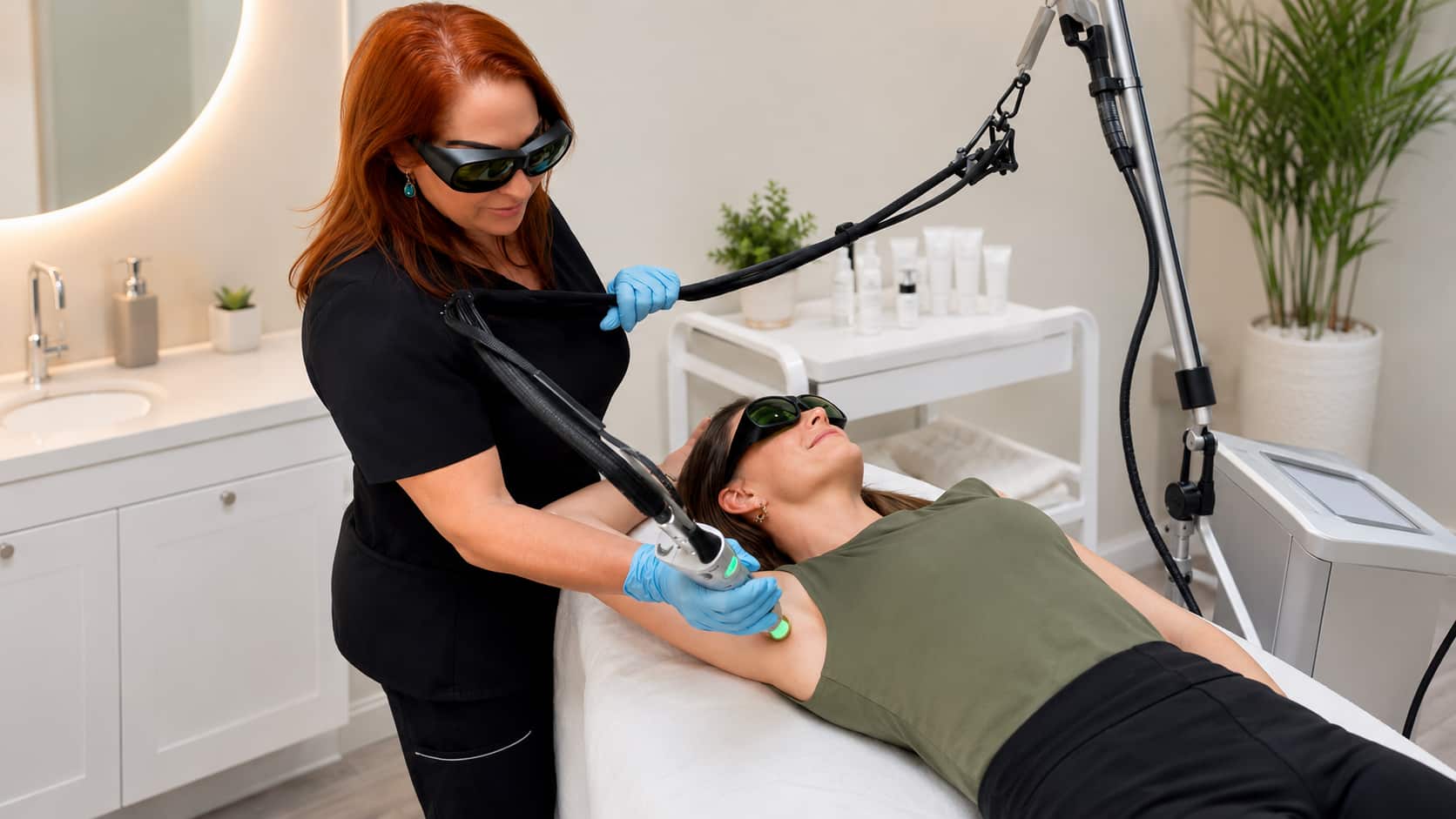
As home to the largest laser facility in the southeast region, we have the technology and clinical depth to build a plan around your specific skin tone, hair color, treatment area, and lifestyle. Our providers use the GentleMax Pro, a dual-wavelength laser that allows precise calibration across a wide range of skin types, including the diverse skin tones that South Florida patients bring in. Every session count recommendation we make is built around what we see in front of us, not a fixed number handed to every patient the same way.
The only way to know your number is a consultation with a qualified provider. Our team at Sanctuary Medical Aesthetic Center will assess your skin type, hair color, treatment area, and goals, and give you a clear, realistic plan before your first session begins.
Book your appointment and let us give you the honest answer.
You treated your melasma. You saw it fade. And then, almost predictably, the patches came back. Maybe darker than before. Maybe in the same spots. Maybe you’re wearing more coverage now than you were a few months ago, and the frustration of that cycle is the whole reason you’re reading this right now.
Research published in Scientific Reports found that 72% of melasma patients experienced a relapse within two months of stopping treatment, even when their initial results were good. That number explains a lot.
Melasma is not a condition you treat and move on from. It’s one you manage, and the difference between patients who stay clear and patients who keep cycling back almost always comes down to understanding what keeps triggering it.
Melasma is a form of hyperpigmentation caused by overactive melanocytes, the cells that produce skin pigment. When something triggers those cells to work overtime, they deposit excess melanin in the skin, creating the brown or gray-brown patches that most commonly appear on the cheeks, forehead, upper lip, and chin.
The reason melasma is so persistent comes down to a simple but important distinction: treating the visible pigment does not change the underlying biology. The melanocytes that caused the problem are still there, still hypersensitive, and still ready to fire again the moment the right trigger appears. This is what makes melasma fundamentally different from an ordinary dark spot.
It is a chronic condition with a strong tendency to relapse, which means the goal is not just fading what is visible today but building a plan that keeps it from coming back.
This is the answer most patients never get clearly enough. Melasma worsens when trigger exposure is ongoing and the underlying melanocyte hypersensitivity is not being properly addressed. For most South Florida patients, several triggers are active at the same time.
UV exposure is the single most consistent driver of melasma flares. Even brief, incidental sun exposure, the kind you get walking to your car or sitting near a window, is enough to stimulate melanocytes into producing excess pigment. Standard SPF helps but is often insufficient on its own, because melasma responds not only to UVA and UVB rays but also to visible light. That means cumulative daily exposure adds up even when no single outing feels significant.
Hormonal changes are the second major trigger, and one of the most frequently overlooked. Estrogen and progesterone directly influence melanocyte activity, which is why melasma often appears or worsens during pregnancy, while using hormonal birth control, or through the hormonal shifts of perimenopause.
For women in their 40s and 50s, this hormonal component can be the reason the condition keeps flaring even when sun protection is consistent.
Heat is a trigger many patients don’t realize is relevant. Elevated skin temperature from hot showers, intense exercise, or simply being outdoors on a warm afternoon can activate melanocytes independently of UV exposure. In a climate like South Florida’s, where warmth is constant rather than seasonal, this layer of the problem is easy to underestimate.
Certain skincare products and overly aggressive treatments can also worsen melasma. Inflammation and irritation at the skin level can trigger post-inflammatory hyperpigmentation that layers on top of existing melasma, darkening the appearance and complicating treatment. This is particularly relevant for patients who have been trying OTC solutions or attempting to accelerate results faster than their skin can handle.
Boca Raton and Fort Lauderdale patients are dealing with a UV environment that most of the country simply doesn’t face. Florida ranks among the highest UV index states in the continental U.S. year-round, with peak UV levels reaching very high to extreme even outside of summer.
Add year-round heat, high humidity, and a lifestyle that keeps patients outdoors consistently, and several of the most powerful melasma triggers become a daily reality rather than a seasonal one.
This is why melasma tends to be more stubborn and more persistent in this market, and why the approach that works in cooler, less sun-intensive climates often falls short here. Effective management for South Florida patients requires a more strategic, maintenance-oriented plan built around that specific environment.
The most successful outcomes combine professional treatments with the right at-home maintenance, and both sides of that equation need to be built around what is specifically driving each patient’s condition.
At Sanctuary Medical Aesthetic Center, our approach to skin discoloration starts with a thorough assessment of what is actually triggering the pigmentation, so treatment addresses the cause rather than just the surface appearance.
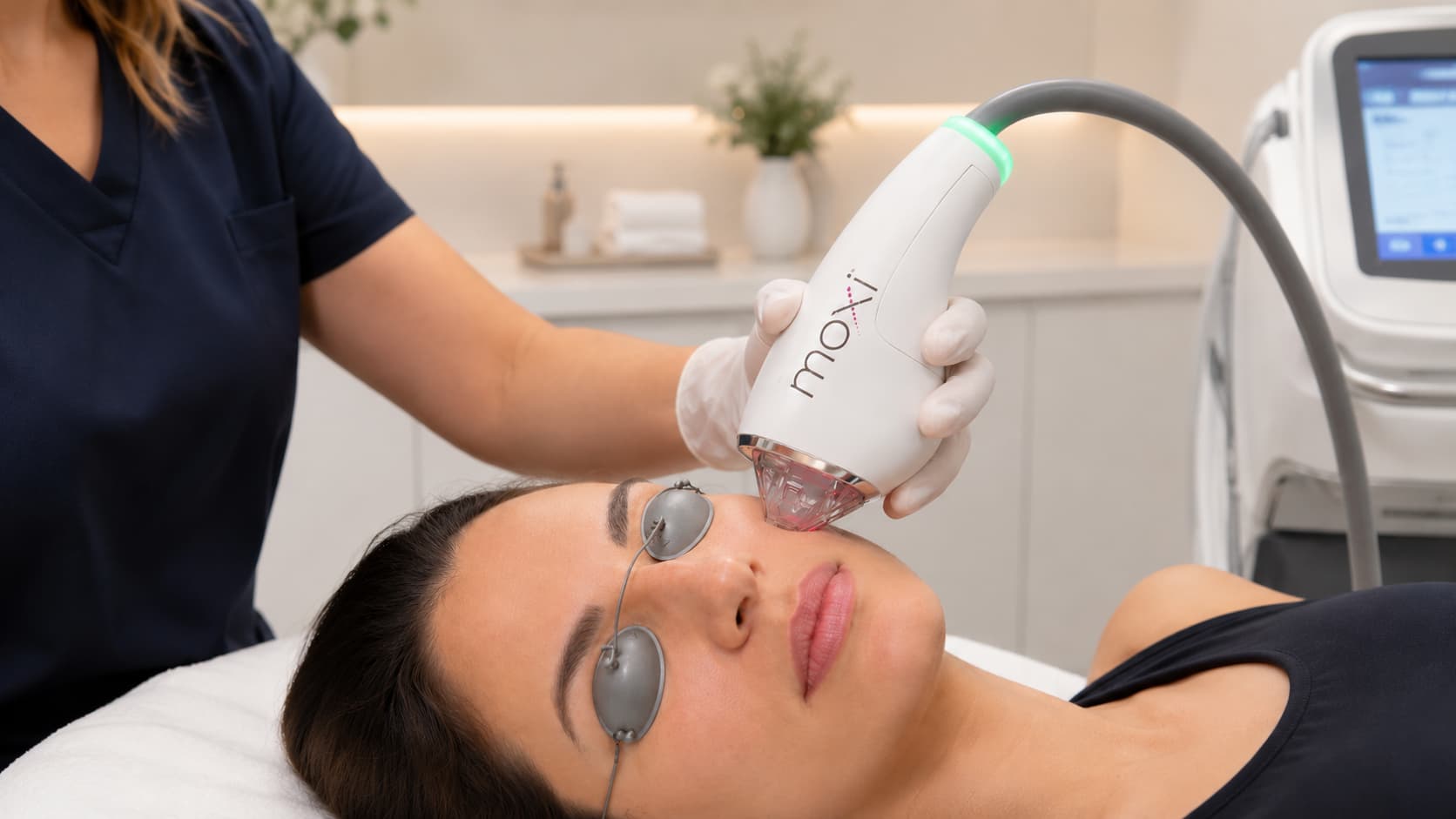
BBL photofacial treatments use targeted light energy to address existing pigmentation while stimulating skin renewal. When used as part of a carefully sequenced protocol, BBL is one of the most effective tools available for melasma in a high-UV market. MOXI laser provides gentle resurfacing that improves overall tone and texture with minimal downtime, making it well-suited for patients who need consistent treatment without extended recovery.
Medical-grade chemical peels accelerate cell turnover and clear accumulated surface pigment, particularly effective when layered within a broader treatment protocol.
What connects all of these treatments is the maintenance layer. Because those same melanocytes are still present even after results are achieved, consistent medical-grade sun protection, appropriate skincare, and ongoing professional oversight are what prevent the cycle from restarting.
Patients who understand this stop fighting the condition and start managing it, which is an entirely different and far more productive way to approach it.
Sanctuary Medical Aesthetic Center has been serving patients in Boca Raton and Fort Lauderdale since 2006. Our team includes board-certified dermatologists, board-certified plastic surgeons, physician assistants, nurse practitioners, and licensed medical aestheticians who work together to build individualized treatment plans around each patient’s unique skin, triggers, and goals.
As home to the largest laser facility in the southeast region, we have the technology and clinical expertise to treat melasma at every stage, from initial presentation through long-term management.
For patients living with South Florida’s compounding UV, heat, and humidity, having a team that understands all of those variables in one place makes a measurable difference in outcomes.
Melasma responds well to the right plan. Our team at Sanctuary Medical Aesthetic Center will assess what is specifically driving your condition and build a personalized treatment and maintenance protocol designed to keep results lasting.
Book your appointment and let us help you get ahead of it.
You know the feeling. The trip is booked, the itinerary is set, and somewhere between packing and planning, you catch yourself thinking: I want to look as good as I feel about this trip. Whether it is a beach getaway, a destination wedding, a cruise, or simply the South Florida summer social season in full swing, the desire to show up looking refreshed and confident is completely reasonable.
It turns out a lot of people feel exactly the same way. According to the American Society of Plastic Surgeons, nearly 9.5 million neuromodulator treatments were performed in the U.S. in 2023 alone, making it the most requested cosmetic procedure in the country for that year.
That number keeps climbing, and a significant share of those patients are planning ahead for exactly the kind of moments you have coming: a trip, an event, a season where how you feel about your appearance genuinely matters.
The difference between results that look natural and polished and results that look rushed comes down almost entirely to timing. Pre-vacation aesthetic treatments work best when they are planned in advance, not scheduled the week before you leave. This guide walks through what to book and when, so you can arrive vacation-ready with confidence.
If you are considering longer-horizon treatments such as body contouring, skin tightening, or collagen-stimulating procedures, this is the window to start. These are not last-minute options. They are investments that need time to deliver their full results before travel.
This timing works well for treatments like Emsculpt Neo in Boca Raton and Fort Lauderdale, which builds muscle and reduces fat simultaneously through a series of sessions rather than a single appointment.
It is also the right window to begin a medical-grade skincare regimen, establishing the foundational routine your skin will need before and after any active treatments that follow.
Starting earlier gives your skin and body time to respond naturally, and gives our team at Sanctuary Medical Aesthetic Center time to build a plan around your specific goals and travel date rather than working backward from a departure that is already too close.
Wrinkle relaxers are one of the most popular pre-vacation treatments because they soften expression lines while maintaining natural movement. But they are not immediate. Botox injections in Boca Raton and Fort Lauderdale typically begin to take effect within a few days, but full results develop over 10 to 14 days.
Scheduling approximately three to four weeks before your trip allows the full neurotoxin effect to develop completely, giving both you and your provider the opportunity to properly assess the result before your departure date.
This timing matters especially if you are new to injectables, attending a wedding or special event, planning to be in photos, or simply want the most natural-looking final result before travel. Trying to compress that window creates unnecessary stress and increases the chance that visible swelling or bruising could interfere with your plans.
Botox and other neuromodulators address forehead lines, frown lines, crow’s feet, lip flip enhancement, and jawline slimming. Each area responds on a slightly different timeline, which is another reason that buffer before travel works in your favor.
If you are looking to restore volume, enhance facial structure, or refresh the lips before summer travel, filler treatments should be scheduled at least a few weeks before departure. Results from Juvederm fillers in Boca Raton and Fort Lauderdale are visible immediately, but temporary swelling and bruising are common in delicate areas like the lips and under-eyes.
Giving yourself this window allows the filler to integrate naturally into the tissue so the final result looks softer, smoother, and more balanced by the time you leave.
This timeline is especially important before destination weddings, professional photography, beach vacations, or any event with significant sun exposure. It also gives your provider the opportunity to make precise, beautifully balanced adjustments, ensuring the outcome feels like you at your best rather than a result that is still mid-process when your trip begins.
Popular vacation-prep filler areas include lip enhancement, cheek volume, chin balancing, jawline contouring, and under-eye rejuvenation. Our providers at Sanctuary Medical focus on natural-looking results that complement your features without looking overdone, which is exactly what you want heading into a trip where every photo matters.
Skin treatments require more strategic timing than most patients expect, particularly during South Florida’s summer months when UV intensity is at its highest. Many rejuvenation treatments temporarily increase skin sensitivity while your skin heals and renews. Scheduling two to three weeks before travel allows any redness, dryness, or mild peeling to fully resolve before you leave.
In a climate like South Florida’s, where UV exposure is a year-round reality and summer heat and humidity are constants, this buffer is essential.
Post-treatment skin that has not fully recovered is significantly more vulnerable to sun damage, post-inflammatory pigmentation, and dehydration during travel. Giving your skin the time it needs means you arrive with the radiant, even-toned result the treatment was designed to deliver.
This is an ideal window for a HydraFacial in Boca Raton and Fort Lauderdale, medical-grade chemical peels, microneedling, RF microneedling, and customized skincare consultations. These treatments improve skin texture, hydration, brightness, and overall radiance.
For patients dealing with sun damage, melasma, or uneven pigmentation, our team can also build a personalized summer-safe treatment plan for skin discoloration designed around your travel date and destination.
This window is for the finishing layer, not the foundation. Patients who have already completed their active treatments in the earlier windows can use this time for gentle brightening facials with minimal downtime, skin tightening touch-ups, and body contouring maintenance sessions for those already mid-program. New body contouring programs belong in the 6 to 8 week window, not here.
This is also the right time to restock your summer skincare essentials, including SPF, antioxidants, and hydrating products. Sanctuary Medical’s skincare store offers a curated selection of professional-grade products available through the Sanctuary Medical shop so your routine does not skip a beat when you travel.
Planning ahead is not just about logistics. It is about what you gain when timing is on your side.
When treatments are sequenced correctly, you arrive at your destination at peak results. Botox has fully settled. Filler swelling has resolved. Skin has completed its renewal cycle. You are not wondering whether what you see in the mirror is the final outcome or just the middle of the process.
That certainty is what genuine confidence feels like, and it is only available when you have given your treatments the time they need.
Patients who schedule too close to travel often deal with visible bruising that has not faded, sensitivity that makes sun exposure uncomfortable, or results that have not fully developed by the time photos are taken. Strategic timing eliminates all of that.
Some treatments are best kept off the pre-travel calendar, especially if your trip involves significant beach time or sun exposure.
Aggressive laser skin treatments in Boca Raton and Fort Lauderdale should not be scheduled too close to a beach vacation. Post-treatment skin is in an active healing phase and significantly more photosensitive than usual. Sun exposure during that window can cause hyperpigmentation, prolonged redness, and results that do not develop as intended.
Deep chemical peels carry similar considerations. Peeling skin combined with heat, humidity, saltwater, and sun is not a combination that serves the results or the patient.
As a general rule, avoid trying any completely new treatment in the days immediately before a major trip, particularly one where you will have high UV exposure and limited access to follow-up care. The goal is always healthy, predictable, natural-looking results, and that requires adequate recovery time built into the plan from the start.
Sanctuary Medical Aesthetic Center has been serving South Florida patients since 2006 from our locations in Boca Raton and Fort Lauderdale. Our team includes board-certified plastic surgeons, board-certified dermatologists, physician assistants, nurse practitioners, and licensed medical aestheticians, all working together to build individualized treatment plans around each patient’s goals, timeline, and lifestyle.
We are home to the largest laser facility in the southeast region, with the depth of technology and clinical expertise to address virtually every aesthetic and skin health concern under one roof. Whether you are preparing for a trip, an event, or simply the South Florida season ahead, our providers are here to help you plan with confidence.
The right treatments at the right time make all the difference. Our team at Sanctuary Medical Aesthetic Center will work with you to build a personalized, sequenced plan around your travel date, your goals, and your skin, so you feel completely prepared before you leave.
Book your appointment and let us help you get vacation-ready.

According to AIM at Melanoma, nearly one in 10 Floridians, 9.2%, have been told by a doctor that they have skin cancer. That rate reflects something South Florida residents know firsthand: UV exposure here is relentless. The equator is close, the outdoor lifestyle is real, and the sun does not take a season off. For Boca Raton residents who golf, boat, or simply walk to their cars every day, the damage adds up well before it shows up in the mirror.
Two types of UV radiation reach the skin. UVB is the sunburn driver, strongest between 10 a.m. and 4 p.m. UVA is quieter about it, accounting for 90% to 95% of all UV that reaches the earth’s surface, but it penetrates deeper into the dermis. Both damage skin cell DNA, setting off the mutations that lead to precancerous lesions, pigmentation irregularities, and photoaging.
Photoaging does not look like regular aging. Common signs include:
Most patients notice these changes picking up speed in their 30s or 40s. The exposure driving them happened years before. That lag is part of what makes South Florida sun damage so easy to underestimate.
A professional skin assessment does two jobs. The first is clinical: a trained provider can spot suspicious changes, actinic keratoses, or early lesions that need attention or monitoring. The second is cosmetic: patients leave with a clear picture of where their skin is and what it will take to get it where they want it.
Skipping that step until something looks wrong means missing the window when treatment is simplest. Coming in regularly lets providers intervene early, whether that means watching a changing spot or starting a course of treatments to address tone and texture before it becomes harder to correct. Patients with fair skin, a history of heavy sun exposure, or a family history of skin cancer should consider annual or twice-yearly assessments as part of their routine.
Sanctuary Medical Aesthetic Center operates the largest laser facility in South Florida, with devices matched to varying degrees of UV damage and different skin types. Every treatment plan starts with a consultation that covers skin type, current damage, and what the patient wants to accomplish.
BBL Hero targets the most visible signs of sun damage: age spots, redness, broken capillaries, and uneven pigmentation. Broadband light pulses heat the damaged tissue, and the skin clears it naturally over the days and weeks that follow. Downtime is minimal. Many patients in Boca Raton and Fort Lauderdale come in once or twice a year to stay on top of the pigmentation that South Florida living keeps producing.
The Halo fractional laser handles surface discoloration and deeper skin quality in the same session by combining ablative and non-ablative wavelengths. For patients whose sun damage shows up as both uneven tone and rough texture, Halo covers both in a single treatment. Expect two to five days of redness and light peeling.
MOXI takes a gentler path. It is a non-ablative laser that stimulates collagen and cell renewal with little to no downtime, and it works across all skin tones. MOXI and BBL Hero treatments pair well together when both pigmentation and texture are in play.
The assessment might also point toward chemical peels for mild pigmentation concerns, HydraFacial as a maintenance treatment between laser visits, or Genius RF Microneedling when laxity is part of the picture alongside sun damage. Most patients do best with a combination tailored to where their skin actually is, not a one-size approach.
Sanctuary Medical Aesthetic Center has cared for more than 65,000 patients across Boca Raton and Fort Lauderdale. With 600+ five-star reviews and 25 years of practice under Dr. Jason Pozner, MD, FACS, the team brings board-certified expertise to every consultation. Our laser skin treatments are performed at South Florida’s largest laser facility. Book a consultation today to get your skin assessed and walk away with a plan that fits your goals.
Yes. Many forms of UV damage are not yet visible when they are most treatable. A professional assessment catches those early changes and gives you more options.
Once a year is the standard recommendation for adults with regular sun exposure. Patients with fair skin or a personal or family history of skin cancer may want to come in every six months.
BBL Hero is typically the starting point for pigmentation concerns. Halo handles both texture and tone in one session. The right choice depends on your skin, which is exactly what a consultation is for.
Significant reduction is absolutely achievable. Medical-grade lasers clear pigmentation, improve texture, and restore more even tone. Full reversal is not always realistic, but consistent treatment and daily sun protection produce results that last.

According to a body contouring review published by the National Institutes of Health, significant weight loss of 100 or more pounds commonly leaves excess skin at multiple sites, including the abdomen, arms, thighs, and breasts, and many patients remain dissatisfied with their appearance despite successful fat loss. For men and women in Boca Raton and Fort Lauderdale who have worked hard to shed pounds, loose skin can feel like an unfinished chapter. The good news: several nonsurgical treatments now offer real improvements in skin laxity and body contour, without the recovery time of surgery.
Skin stretches as weight increases, and collagen and elastin fibers bear the load. After years of being extended, those fibers lose their ability to contract fully when fat is reduced. The faster the weight came off, the less time the skin has to adapt. Age compounds the problem, since collagen production slows naturally over time, leaving older patients with less structural support than their younger counterparts.
The result is sagging tissue that tends to concentrate in predictable areas: the lower abdomen, upper arms, inner thighs, and flanks. Resistance training can improve muscle tone beneath loose skin, but it rarely resolves significant laxity on its own. That’s where nonsurgical body contouring treatments come in.
Sanctuary Medical Aesthetic Center offers several FDA-cleared body contouring technologies designed to target the concerns most common after weight loss. These treatments work through different mechanisms, and the right option depends on a patient’s specific areas of concern.
VelaShape uses a combination of infrared light, radiofrequency energy, and mechanical massage to heat tissue and stimulate collagen production. For post-weight loss patients who notice skin laxity along with cellulite, this treatment addresses both at once. Sessions run roughly 20 to 30 minutes per area, and most patients complete a series of three to five treatments spaced one to two weeks apart. Skin texture and firmness typically improve progressively as collagen remodels over the following months.
Increased muscle volume beneath loose skin can noticeably improve its appearance, and EMSCULPT NEO targets this directly. Using high-intensity focused electromagnetic (HIFEM) technology combined with radiofrequency energy, EMSCULPT NEO simultaneously reduces fat and builds muscle in treated areas. Patients typically complete a series of four sessions spaced a few days apart. For post-weight loss patients with laxity in the abdomen, arms, or thighs, building underlying muscle mass helps fill out the skin and create a more toned contour with no downtime.
Weight loss doesn’t always clear stubborn fat deposits evenly. CoolSculpting ELITE uses controlled cooling, called cryolipolysis, to freeze and permanently eliminate fat cells in nine body areas, including the abdomen, flanks, upper arms, and thighs. The dual-applicator system treats two zones simultaneously, cutting session time significantly. Once fat cells are destroyed, the body flushes them naturally over two to three months. For patients at or near their goal weight, CoolSculpting ELITE refines contour in areas that resist diet and exercise.
Post-weight loss patients often benefit from pairing treatments rather than choosing one in isolation. VelaShape and CoolSculpting ELITE work well together: fat reduction followed by skin-smoothing treatment addresses both underlying volume and surface texture. EMSCULPT NEO can be added to build the muscle definition that holds everything together. Sanctuary’s Body Work program includes combination packages designed precisely for this approach.
Timing matters, too. Patients who are still actively losing weight should generally wait until their weight has been stable for at least two to three months in the target area before beginning fat-reduction treatments. If you are using GLP-1 medications as part of your weight loss plan, Sanctuary’s GLP-1 and body contouring guide covers how to sequence treatments for the best outcome.
Achieving a meaningful weight loss is worth celebrating. Loose skin shouldn’t hold back the confidence that comes with it. At Sanctuary Medical Aesthetic Center, Dr. Jason Pozner, a board-certified plastic surgeon, and his team design personalized treatment plans for patients in Boca Raton and Fort Lauderdale using the most advanced body contouring technologies available. As South Florida’s largest laser facility with more than 25 years in practice, Sanctuary has helped over 65,000 patients reach their aesthetic goals.
Schedule a complimentary consultation to discuss your concerns and build a treatment plan tailored to your body.
Weight should be stable for at least two to three months in the areas you want treated before starting fat-reduction treatments like CoolSculpting ELITE. EMSCULPT NEO, which focuses on muscle building, can often be started earlier.
Nonsurgical treatments improve skin texture, firmness, and contour, but they are not equivalent to surgical skin removal for patients with very significant laxity. A consultation helps determine which approach is appropriate based on the degree of skin looseness.
Yes. Many patients benefit from pairing nonsurgical body sculpting treatments that target fat, muscle, and skin in the same treatment plan. Sanctuary’s team builds combination protocols around each patient’s goals and timeline.
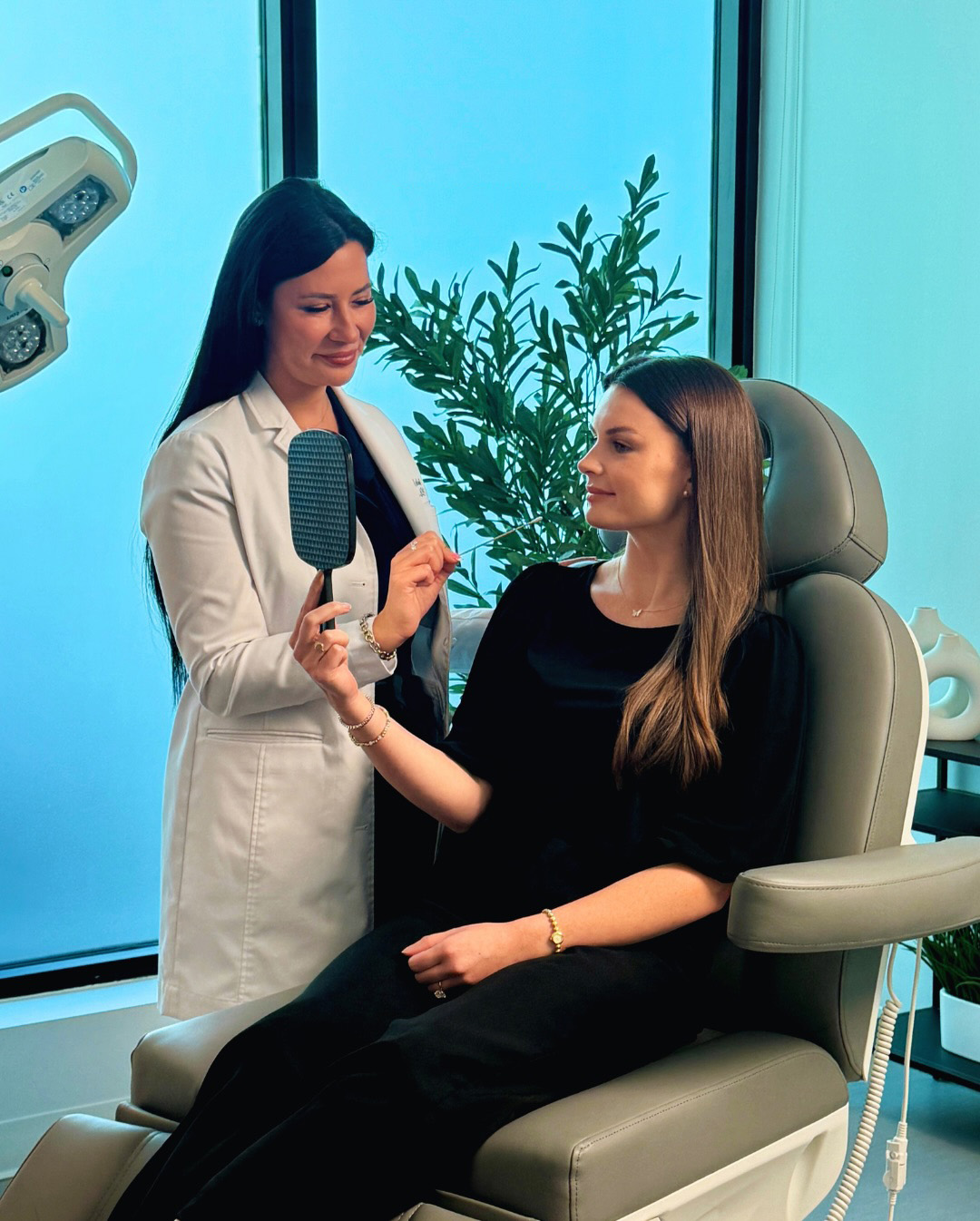
If your skin looks dull, uneven, or tired no matter how many products you try, vitamin C may be the missing step in your routine. A 12-week clinical study found that topical vitamin C led to visible improvement in wrinkles and signs of new collagen formation, helping explain why it remains one of the most trusted ingredients in professional skincare. Vitamin C is widely recommended for helping brighten the complexion, support smoother-looking skin, and defend against daily environmental stressors that can affect skin over time.
Patients visiting Sanctuary Medical Aesthetic Center in Boca Raton and Fort Lauderdale often ask how to build a skincare routine that supports long-term glow, smoother texture, and healthier-looking skin. Whether your goal is preventative skincare or correcting visible concerns, the right vitamin C product can become an important part of your daily regimen.
Vitamin C is a topical antioxidant commonly found in creams, pads, gels, and other skincare products. Antioxidants help defend the skin from environmental stressors that may contribute to dullness, uneven tone, and visible signs of aging.
Every day, skin is exposed to factors like UV rays, pollution, and free radicals. Over time, these stressors can impact how skin looks and feels. Vitamin C helps support the skin against these factors while promoting a brighter, smoother-looking complexion.
You may also see different forms of vitamin C in skincare products, including:
Professional-grade formulas are often selected for their ingredient quality, packaging stability, and ability to target specific skin concerns more effectively.
One of the most common reasons people use vitamin C is to help restore glow to tired-looking skin. It can improve the appearance of dullness and leave skin looking fresher and more radiant.
This makes vitamin C a popular addition before weddings, vacations, photos, or seasonal skincare resets when patients want their skin to look their best.
Vitamin C is often used to improve the appearance of uneven skin tone, dark spots, and post-acne marks. With regular use, many people notice their complexion appears smoother and more balanced.
Because every skin type is different, visible improvement depends on consistency, product formulation, and the rest of your skincare routine.
Sun exposure, pollution, and daily environmental aggressors can impact skin quality over time. Vitamin C helps support the skin’s defenses against oxidative stress, making it a smart addition to preventative skincare.
It works especially well when paired with sunscreen. While vitamin C offers antioxidant support, it should complement, not replace, broad-spectrum SPF.
Collagen is a natural protein that helps skin appear firm, smooth, and resilient. Vitamin C plays an important role in supporting collagen production, making it valuable for patients concerned with fine lines, texture, and long-term skin quality.
When used consistently, it can become part of a proactive healthy-aging routine.
Not every vitamin C product is the same. The best option depends on your skin type, sensitivity level, and skincare goals.
Consider these factors when choosing a product:
Packaging also matters. Vitamin C can degrade when exposed to light and air, so opaque, airtight packaging is often preferred.
At Sanctuary Medical Aesthetic Center, personalized recommendations can help match the right formula to your skin instead of relying on trial and error.
Vitamin C may be a great option for people looking to address:
Because every skin type is unique, expert dermatology guidance can help determine which formula and strength are best for your goals.
For many people, vitamin C works well as part of a morning routine:
If you have sensitive skin, start gradually and follow product directions carefully. Some people begin by using vitamin C every other day before increasing frequency.
Patients often pair homecare products with professional skin health services for enhanced results. Learn more about medical dermatology services.
Vitamin C is commonly used with other skincare ingredients when selected appropriately.
Popular pairings may include:
Because some combinations depend on product strength and skin sensitivity, personalized recommendations can help prevent irritation and improve results.
Yes, vitamin C is often used alongside professional skincare plans depending on your skin needs and treatment timing. It may complement services such as:
Professional guidance matters, especially after treatments when skin may be more sensitive. The right product choice and timing can help support results while protecting the skin barrier.
Explore available medical dermatology services.
If you’re unsure which vitamin C product is right for your skin, expert guidance can make the process easier. Sanctuary Medical Aesthetic Center offers personalized skincare recommendations and treatment planning for patients in:
South Florida sun exposure, humidity, heat, and year-round outdoor lifestyles can all affect how skin looks and feels throughout the year. A customized skincare plan can help address these changing needs more effectively.
“I’m a new patient of Dr. Hearn, and she was wonderful, extremely knowledgeable, genuine, and very caring. The front office staff was also friendly, welcoming, efficient, and very organized. I recently moved from another dermatologist, and Dr. Hearn and the entire staff made such a positive impression on me. The difference in care and professionalism was truly noticeable. Kudos and thanks to you all!”
— H. Dubov
“I recently saw Thaina for a consultation, and she was absolutely amazing! From the moment we arrived, she made us feel comfortable and cared for. She took her time explaining everything clearly and answered all of our questions with so much patience and knowledge. You can tell she truly cares about her patients and loves what she does. I left feeling confident and well taken care of. Highly recommend seeing Thaina if you’re looking for a PA who’s both professional and genuinely compassionate!”
— R. Reina
“First visit here and it was very impressive. Beautiful space and Dr Herne and Melanie were fantastic. Super efficient and knowledgeable! Highly recommend!!”
— T. Strehle
If you’re ready to build a smarter skincare routine with products selected for your specific goals, schedule a consultation with Sanctuary Medical Aesthetic Center. With convenient locations in Boca Raton and Fort Lauderdale, expert support is available to help you achieve brighter, healthier-looking skin. Schedule your visit through the Contact Us page.

Most body contouring conversations center on fat. But for patients who want visible definition, not just a slimmer silhouette, fat reduction alone falls short. A narrative review and position paper published in the Journal of Cosmetic Dermatology found that EMSCULPT NEO produces an average 25% increase in muscle volume alongside a 30% reduction in subcutaneous fat, making it the only non-invasive treatment to address both goals in a single session. For patients in Fort Lauderdale and South Florida, that combination changes what body contouring can accomplish.
The EMSCULPT NEO treatment uses two technologies simultaneously: radiofrequency (RF) energy and high-intensity focused electromagnetic (HIFEM+) energy. The RF component raises the temperature of subcutaneous fat cells until they undergo apoptosis, the natural breakdown that allows the body to flush them out over weeks. At the same time, HIFEM+ triggers supramaximal muscle contractions, far more intense than anything achievable through voluntary exercise.
In 30 minutes, the device generates up to 20,000 of these contractions. Muscle fibers adapt by increasing in both size and number, producing real hypertrophy rather than surface toning. The RF energy also functions as a warm-up for muscle tissue, which allows for stronger, more effective contractions throughout the session.
EMSCULPT NEO is not a weight-loss procedure. The best candidates are men and women within 15 to 30 pounds of their goal weight who want to refine specific areas. Those who tend to see the clearest results include people who:
For anyone weighing the full range of non-invasive body sculpting options in the area, EMSCULPT NEO fills a specific gap that fat-only treatments cannot.
Most non-invasive contouring devices target one concern. CoolSculpting ELITE reduces fat through cryolipolysis but does not stimulate muscle growth. VelaShape addresses cellulite and skin texture. EMSCULPT NEO is the only FDA-cleared treatment to reduce fat and build muscle in the same session.
That dual mechanism matters for patients who want definition rather than just reduction. Removing fat without building muscle underneath often leaves the area looking soft rather than sculpted. EMSCULPT NEO works on both layers at once. For a side-by-side breakdown, comparing EMSCULPT NEO and CoolSculpting ELITE can clarify which approach fits a specific goal, or whether a combination makes sense.
The standard protocol is four 30-minute sessions, spaced five to 10 days apart. Most patients notice improved tone within two to four weeks of the final session, with results continuing to develop for up to three months as the body eliminates damaged fat cells and muscle fibers strengthen.
There is no downtime. Mild soreness after each session is common and typically resolves within a few days, comparable to delayed onset muscle soreness (DOMS) after a hard workout. Normal activities resume right away.
Commonly treated areas include the abdomen, buttocks, arms, thighs, and calves.
Sanctuary Medical Aesthetic Center, founded by board-certified plastic surgeon Dr. Jason Pozner, MD, FACS, offers EMSCULPT NEO as part of its Body Work program serving, Fort Lauderdale, and the greater South Florida region. With more than 25 years in practice, 65,000+ patients treated, and one of the largest body contouring equipment collections in South Florida, Sanctuary builds individualized treatment plans around each patient’s goals rather than a one-size-fits-all approach.
Every patient starts with a complimentary consultation to evaluate body composition, treatment goals, and candidacy. EMSCULPT NEO can be used on its own or paired with CoolSculpting ELITE or VelaShape for patients targeting fat, muscle, and skin texture together.
Call (561) 247-2958 or book online to schedule your complimentary EMSCULPT NEO consultation at Sanctuary Medical Aesthetic Center in Fort Lauderdale.
Most patients describe treatment as intense but manageable. The sensation combines strong muscle contractions with warmth from the RF energy. Post-session soreness is common and typically resolves within a few days.
The standard protocol is four sessions, each 30 minutes long, spaced five to 10 days apart. Results continue to develop for up to three months after the final session.
No. EMSCULPT NEO accelerates muscle development in targeted areas and reduces localized fat, but it works best as a complement to an active lifestyle. Maintaining long-term results requires consistent diet and exercise habits.
Patients who are pregnant, have metal implants in the treatment area, or use a pacemaker are not candidates. A consultation with a trained provider is the best way to confirm eligibility.
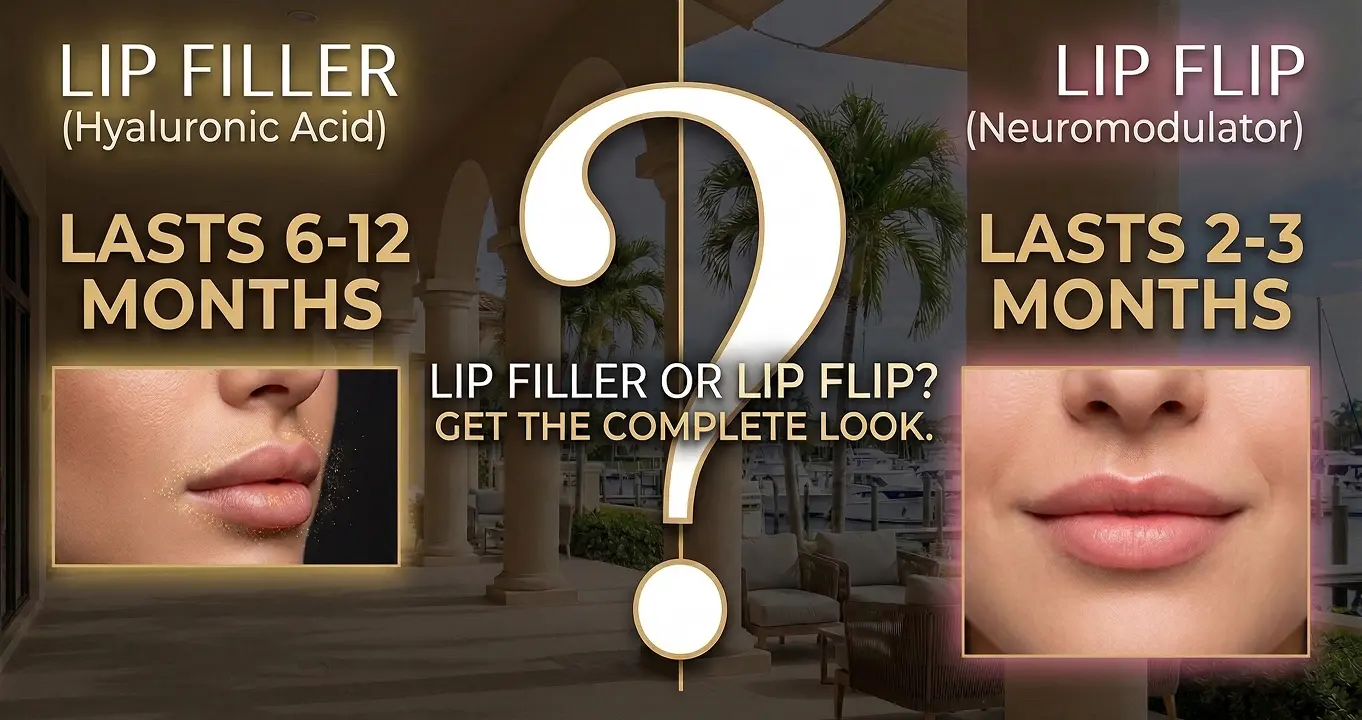
According to the American Society of Plastic Surgeons, lip augmentation ranked among the top five minimally invasive procedures in 2024, with more than 1.4 million treatments performed nationwide. Despite that volume, patients at Sanctuary Medical Aesthetic Center in Boca Raton arrive with the same question: lip filler or lip flip?
They are not the same treatment. They work differently, last different lengths of time, and solve different problems. The team at Sanctuary carries a full lineup of FDA-approved dermal fillers, including Juvéderm, Restylane, Belotero, and the RHA Collection; plus the full range of neuromodulators for lip flips. That breadth matters because the best outcome depends on matching the right product to the right patient.
Lip filler uses FDA-approved hyaluronic acid (HA) to add volume, improve shape, and enhance texture. HA occurs naturally in the body, which is why these fillers integrate smoothly into tissue and can be dissolved if needed. Different formulas serve different goals: some are better suited for volume, others for border definition or smoothing vertical lines around the mouth. Your provider selects based on your anatomy, not a one-size approach.
Lip filler can:
Results typically last 6 to 12 months. How long lip filler lasts depends on the product used, individual metabolism, and lifestyle. For ways to extend results, Sanctuary’s lip filler aftercare guide covers everything you need to know before and after your appointment.
A lip flip uses a neuromodulator such as Botox, Dysport, Xeomin, or Daxxify to relax the muscle that pulls the upper lip inward. The result is a subtle outward roll that makes the upper lip appear slightly fuller without adding any volume. It’s a quick treatment, but the results last only 2 to 3 months.
Lip Filler:
Lip Flip:
Some patients benefit from both treatments combined. Sanctuary providers in Boca Raton assess each case individually and will never recommend more than what actually serves your goals.
Collagen and elastin production slows over time. As structural support breaks down, lips lose fullness, borders soften, and fine vertical lines develop around the mouth. Repeated muscle movement around the lips, like smiling, speaking, and pursing, accelerates that process. For patients in South Florida, cumulative sun exposure adds another layer of collagen depletion that speeds visible change.
Patients often notice thinner lips, a blurred lip border, increased asymmetry, or a slight downward turn at the corners. Filler addresses the volume and structural side of those changes. For the fine lines and surface texture concerns, treatments like HALO laser or Genius RF Microneedling can complement injectable results. If repeated muscle movement is deepening lines above the lip, a neuromodulator such as Botox or Dysport may help address that separately.
Appointments run 30 to 45 minutes. Your provider begins with a consultation, reviews your goals, assesses facial anatomy, and sets realistic expectations before any product is placed. A topical numbing cream is applied first. Filler is then placed using precise technique by board-certified providers trained to deliver conservative, natural-looking results.
Recovery timeline:
There is no meaningful downtime. Most patients return to normal activity the same day. Not sure which filler formula fits your goals? Sanctuary’s guide on choosing the right lip filler breaks down the options before your visit.
With conservative dosing and proper technique, overfilling is avoidable. But it helps to go in with clear expectations. Lip filler does not stop the natural aging process, produce permanent changes, or correct issues caused by poor technique elsewhere. Patients who’ve experienced overfilled or unnatural results from other providers can discuss dissolving existing filler and starting with a corrective, anatomically guided plan at Sanctuary.
You may be a good candidate if you want to restore volume or definition, prefer non-surgical enhancement, or notice age-related changes in the shape and fullness of your lips. Patients who prioritize natural-looking, adjustable results tend to be the most satisfied. A consultation in Boca Raton is the best way to confirm which approach fits your anatomy and goals. Schedule yours today and come prepared with questions.
With over 65,000 satisfied patients, 600-plus five-star reviews, and more than 20 years of experience at two South Florida locations, Sanctuary has built its reputation on results that look natural and last.
Founder Dr. Jason Pozner, MD, FACS, leads a team of board-certified providers and expert injectors who take a whole-face approach to aesthetic care. Lip enhancement is one part of a comprehensive injectable, laser, and skin treatment menu; meaning patients can address every concern in one place.
Ready to find out which treatment is right for you? Book a consultation at Sanctuary Medical Aesthetic Center in Boca Raton or Fort Lauderdale today.
What’s the difference between lip filler and a lip flip? Lip filler adds volume using hyaluronic acid. A lip flip uses a neuromodulator to relax the upper lip muscle, creating a subtle outward roll without adding volume. Both treatments can be done independently or in combination, depending on your goals.
How long does lip filler last? Most patients see results lasting 6 to 12 months. Duration varies based on filler type, metabolism, and lifestyle factors.
How long does a lip flip last? A lip flip typically lasts 2 to 3 months, considerably shorter than filler.
Which looks more natural, lip filler or a lip flip? Both can look completely natural when performed conservatively. The right choice depends on what you’re trying to correct. Filler is better for volume and shape; a lip flip for subtle upper lip curl. Your provider at Sanctuary will recommend the approach that fits your anatomy.
Can I get lip filler and a lip flip at the same appointment? Yes. Many patients combine both for a more complete result. Your provider will assess whether a combined approach makes sense for your goals during your consultation.

For Boca Raton and Fort Lauderdale patients, spring is the ideal window to reset your skin. After months of fluctuating humidity and sun exposure, dullness, uneven tone, and texture changes tend to surface. Starting a laser skin rejuvenation plan now means results are developing before peak summer sun arrives.
At Sanctuary Medical Aesthetic Center, our laser treatments in Boca Raton and Fort Lauderdale address a wide range of concerns, from pigmentation and sun damage to fine lines and texture irregularities. Every plan is customized by our expert team based on your skin goals and lifestyle.
FDA-cleared laser technologies use focused light and energy to trigger the skin’s natural healing response. Depending on the device, treatments can boost collagen and elastin production, improve tone and texture, reduce pigmentation and sun damage, and promote cellular turnover. Unlike topical products, lasers work beneath the surface to create structural, long-lasting improvement.
MOXI™ is a non-ablative fractionated laser that targets mild sun damage, early pigmentation, and subtle texture concerns. It’s a strong option for first-time laser patients, or anyone focused on preventive skin care. Most patients experience mild redness for 24 hours and return to normal activities the same day. MOXI pairs especially well with BBL Hero for patients who want both texture and tone improvement in a single plan.
Best for: Early sun damage, uneven tone, subtle texture refinement, and prejuvenation.
BBL® and BBL® Hero use broadband light energy to target age spots, redness, and broken capillaries. BBL Hero delivers results four times faster than traditional IPL with little to no downtime. Given South Florida’s year-round sun exposure, many Boca Raton patients find BBL is the most practical starting point for seasonal skin renewal. Patients dealing with melasma may benefit from BBL in a provider-guided combination plan.
Best for: Age spots, sun spots, redness, uneven tone, and melasma.
Halo™ is a hybrid fractional laser that treats both the skin’s surface and deeper layers in one session. It improves tone, tightens pores, softens fine lines, and produces a visible luminosity that patients often describe as a natural glow. Downtime is typically two to five days of redness and mild peeling. Most patients can wear makeup the day after treatment and resume normal activities within a few days.
Best for: Uneven texture, fine lines, enlarged pores, and complex tone irregularities.
The Nano Laser Peel removes a thin layer of the outer skin using Sciton’s erbium technology, revealing fresher, more luminous skin underneath. It’s often called a “weekend peel” because most patients return to normal activities within a few days. Treatment takes about 30 minutes, requires only topical numbing, and can be customized for depth and coagulation based on your goals. It works well as a standalone refresh or layered with other modalities for a more comprehensive result.
Best for: Rough texture, surface irregularities, dull skin, and mild fine lines.
Fractional laser resurfacing creates precise micro-injuries in the skin to trigger a strong collagen remodeling response. It’s one of the most effective options for patients with texture irregularities, visible pores, acne scarring, and more pronounced lines. Results typically appear within four to six weeks, with downtime varying based on treatment intensity.
Best for: Texture irregularities, acne scars, visible pores, and fine lines.
Sofwave™ is not a traditional laser. It uses FDA-cleared Synchronous Ultrasound Parallel Beam Technology (SUPERB™) to heat mid-dermal tissue and stimulate collagen production without affecting the skin surface. For patients who want collagen support and early tissue tightening with zero downtime, Sofwave is a strong complement to a laser plan. Results begin within one week and continue improving for up to three months.
Best for: Collagen stimulation, early aging signs, soft tissue rejuvenation, and zero-downtime candidates.
The right laser combination depends on your primary concerns, skin type, tolerance for downtime, and long-term goals. Some patients do best with a single device over multiple sessions. Others benefit from combining two treatments, like MOXI and BBL Hero, to address both texture and pigmentation at once. Schedule a consultation at our Boca Raton or Fort Lauderdale location to get a personalized plan built around your skin.
Sessions typically run 20 to 45 minutes. Every visit includes a skin assessment, personalized treatment mapping, comfort measures like topical numbing or cooling, and post-treatment aftercare guidance. Recovery varies by treatment tier: MOXI and BBL involve minimal to no downtime, while Halo and fractional resurfacing require a few days of redness and peeling. Following your provider’s aftercare instructions and using medical-grade skincare products is essential for protecting results.
BBL patients often see improvement within a few days. Halo and fractional resurfacing results develop over two to four weeks as the skin heals and collagen rebuilds. Most patients see optimal outcomes after two to three sessions. Laser treatments do not permanently stop aging, and consistent sun protection is non-negotiable for maintaining results, especially in South Florida.
Spring laser treatments are a good fit for Boca Raton and Fort Lauderdale patients who want to address uneven tone or discoloration, visible texture concerns, early aging, acne scarring, or dull skin before peak beach season. For patients who want to pair laser with complementary skin treatments, chemical peels, and HydraFacial® can be incorporated into a broader skin health plan.
Sanctuary Medical Aesthetic Center has served more than 65,000 patients across Boca Raton and Fort Lauderdale, earning 600+ five-star reviews over 25 years in business. As South Florida’s largest laser facility, Sanctuary offers a wider array of FDA-cleared laser technologies than any other provider in the region. Every treatment is guided by board-certified physicians and performed by highly trained providers across both locations.
There’s no better time to start. Spring’s milder UV intensity makes it easier to treat and recover before summer. Book your consultation at Sanctuary Medical Aesthetic Center in Boca Raton or Fort Lauderdale and get a personalized laser plan built around your skin.