



















































Why Is My Melasma Getting Worse? Understanding Triggers and How to Treat It
You treated your melasma. You saw it fade. And then, almost predictably, the patches came back. Maybe darker than before. Maybe in the same spots. Maybe you’re wearing more coverage now than you were a few months ago, and the frustration of that cycle is the whole reason you’re reading this right now.
Research published in Scientific Reports found that 72% of melasma patients experienced a relapse within two months of stopping treatment, even when their initial results were good. That number explains a lot.
Melasma is not a condition you treat and move on from. It’s one you manage, and the difference between patients who stay clear and patients who keep cycling back almost always comes down to understanding what keeps triggering it.
Melasma is a form of hyperpigmentation caused by overactive melanocytes, the cells that produce skin pigment. When something triggers those cells to work overtime, they deposit excess melanin in the skin, creating the brown or gray-brown patches that most commonly appear on the cheeks, forehead, upper lip, and chin.
The reason melasma is so persistent comes down to a simple but important distinction: treating the visible pigment does not change the underlying biology. The melanocytes that caused the problem are still there, still hypersensitive, and still ready to fire again the moment the right trigger appears. This is what makes melasma fundamentally different from an ordinary dark spot.
It is a chronic condition with a strong tendency to relapse, which means the goal is not just fading what is visible today but building a plan that keeps it from coming back.
This is the answer most patients never get clearly enough. Melasma worsens when trigger exposure is ongoing and the underlying melanocyte hypersensitivity is not being properly addressed. For most South Florida patients, several triggers are active at the same time.
UV exposure is the single most consistent driver of melasma flares. Even brief, incidental sun exposure, the kind you get walking to your car or sitting near a window, is enough to stimulate melanocytes into producing excess pigment. Standard SPF helps but is often insufficient on its own, because melasma responds not only to UVA and UVB rays but also to visible light. That means cumulative daily exposure adds up even when no single outing feels significant.
Hormonal changes are the second major trigger, and one of the most frequently overlooked. Estrogen and progesterone directly influence melanocyte activity, which is why melasma often appears or worsens during pregnancy, while using hormonal birth control, or through the hormonal shifts of perimenopause.
For women in their 40s and 50s, this hormonal component can be the reason the condition keeps flaring even when sun protection is consistent.
Heat is a trigger many patients don’t realize is relevant. Elevated skin temperature from hot showers, intense exercise, or simply being outdoors on a warm afternoon can activate melanocytes independently of UV exposure. In a climate like South Florida’s, where warmth is constant rather than seasonal, this layer of the problem is easy to underestimate.
Certain skincare products and overly aggressive treatments can also worsen melasma. Inflammation and irritation at the skin level can trigger post-inflammatory hyperpigmentation that layers on top of existing melasma, darkening the appearance and complicating treatment. This is particularly relevant for patients who have been trying OTC solutions or attempting to accelerate results faster than their skin can handle.
Boca Raton and Fort Lauderdale patients are dealing with a UV environment that most of the country simply doesn’t face. Florida ranks among the highest UV index states in the continental U.S. year-round, with peak UV levels reaching very high to extreme even outside of summer.
Add year-round heat, high humidity, and a lifestyle that keeps patients outdoors consistently, and several of the most powerful melasma triggers become a daily reality rather than a seasonal one.
This is why melasma tends to be more stubborn and more persistent in this market, and why the approach that works in cooler, less sun-intensive climates often falls short here. Effective management for South Florida patients requires a more strategic, maintenance-oriented plan built around that specific environment.
The most successful outcomes combine professional treatments with the right at-home maintenance, and both sides of that equation need to be built around what is specifically driving each patient’s condition.
At Sanctuary Medical Aesthetic Center, our approach to skin discoloration starts with a thorough assessment of what is actually triggering the pigmentation, so treatment addresses the cause rather than just the surface appearance.
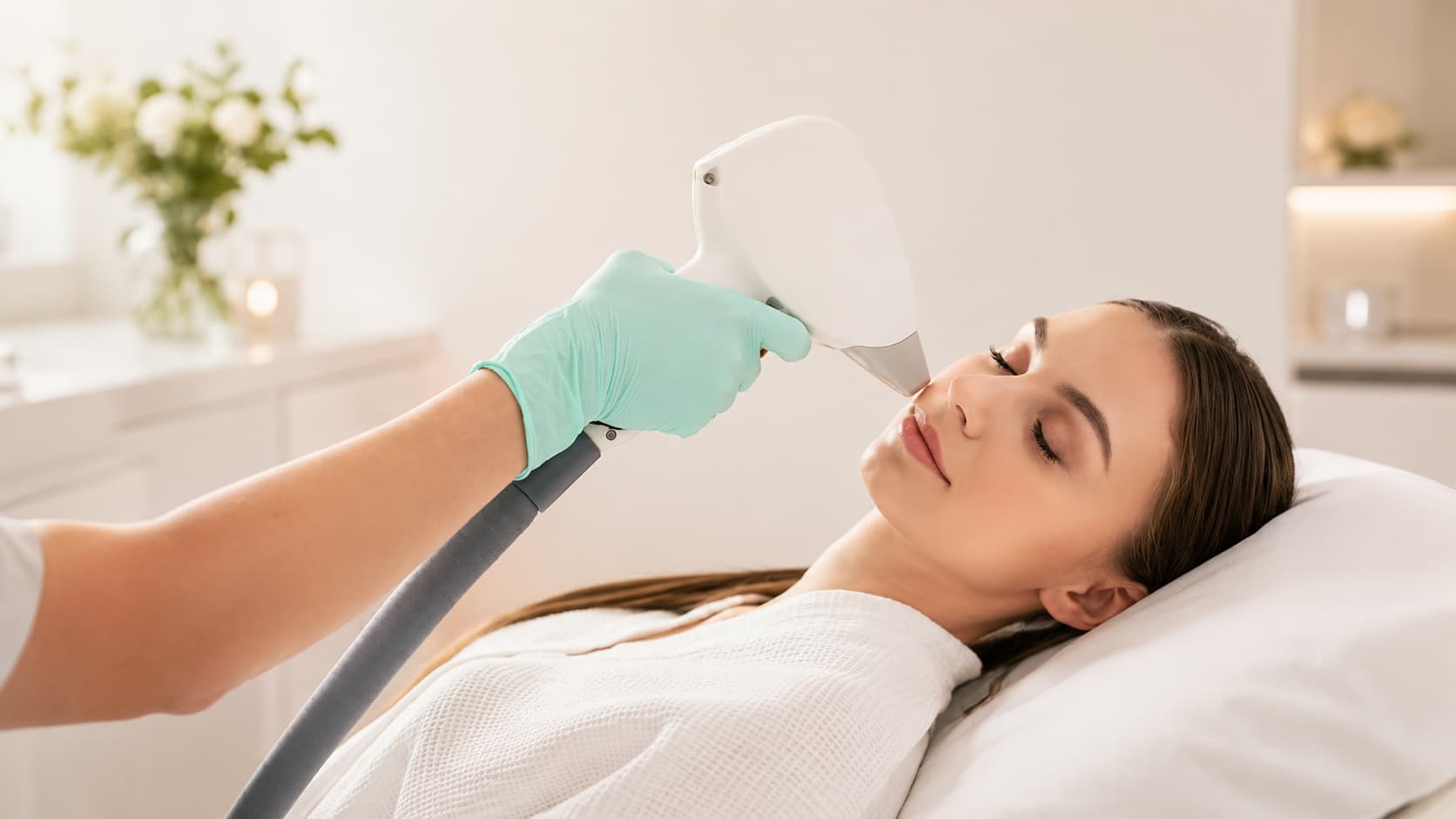
BBL photofacial treatments use targeted light energy to address existing pigmentation while stimulating skin renewal. When used as part of a carefully sequenced protocol, BBL is one of the most effective tools available for melasma in a high-UV market. MOXI laser provides gentle resurfacing that improves overall tone and texture with minimal downtime, making it well-suited for patients who need consistent treatment without extended recovery.
Medical-grade chemical peels accelerate cell turnover and clear accumulated surface pigment, particularly effective when layered within a broader treatment protocol.
What connects all of these treatments is the maintenance layer. Because those same melanocytes are still present even after results are achieved, consistent medical-grade sun protection, appropriate skincare, and ongoing professional oversight are what prevent the cycle from restarting.
Patients who understand this stop fighting the condition and start managing it, which is an entirely different and far more productive way to approach it.
Sanctuary Medical Aesthetic Center has been serving patients in Boca Raton and Fort Lauderdale since 2006. Our team includes board-certified dermatologists, board-certified plastic surgeons, physician assistants, nurse practitioners, and licensed medical aestheticians who work together to build individualized treatment plans around each patient’s unique skin, triggers, and goals.
As home to the largest laser facility in the southeast region, we have the technology and clinical expertise to treat melasma at every stage, from initial presentation through long-term management.
For patients living with South Florida’s compounding UV, heat, and humidity, having a team that understands all of those variables in one place makes a measurable difference in outcomes.
Melasma responds well to the right plan. Our team at Sanctuary Medical Aesthetic Center will assess what is specifically driving your condition and build a personalized treatment and maintenance protocol designed to keep results lasting.
Book your appointment and let us help you get ahead of it.