




















































Holistic Skincare: How Gut Health and Nutrition Affect Your Skin

Your skincare routine might include serums, moisturizers and professional treatments, but healthy skin starts within. What you eat and how well your digestive system functions has a direct impact on your complexion.
At Sanctuary Medical Aesthetic Center in Boca Raton and Fort Lauderdale, we take a comprehensive approach to skin health. Our board-certified dermatologists know that lasting results require addressing both internal and external factors.
Your digestive system and skin communicate through what scientists call the gut-skin axis. An imbalanced gut microbiome triggers inflammation that travels throughout your body. Your skin shows this inflammation through acne, eczema, rosacea or premature aging.
About 70 percent of your immune system lives in your gut. Poor digestive health leads to increased inflammation, hormonal disruptions and impaired nutrient absorption. All of these problems show up on your face.
Trillions of bacteria in your digestive tract regulate inflammation, produce vitamins and maintain your skin’s protective barrier. Harmful bacteria outnumber the beneficial ones, inflammation increases and skin problems appear.
Digestive issues and gut microbiome imbalances link directly to several skin conditions.
People with acne frequently have different gut bacteria than those with clear skin. Inflammation from poor gut health triggers excess oil production and clogs pores. Studies confirm this connection repeatedly.
Rosacea creates facial redness and visible blood vessels. Many rosacea patients also have small intestinal bacterial overgrowth. Fix the digestive issues, and facial redness often improves significantly.
Eczema responds well to gut health improvements. Probiotics and dietary changes reduce flare-ups because the connection runs deep. Chronic inflammation breaks down collagen and elastin, creating fine lines, wrinkles and sagging skin faster than normal aging would.
Your diet affects your appearance. Specific nutrients maintain clear, youthful skin.
Salmon, sardines, walnuts and flaxseeds contain omega-3 fatty acids that reduce inflammation. These fats support your skin’s natural oil barrier and prevent dryness.
Berries, dark leafy greens and green tea protect against free radical damage. Vitamins C and E drive collagen production and skin repair. Bell peppers, carrots and sweet potatoes provide beta-carotene. Your body converts this into vitamin A for cell turnover.
Yogurt, kefir, sauerkraut and kimchi supply beneficial bacteria. These probiotics reduce inflammation and improve nutrient absorption. Garlic, onions, asparagus and bananas feed your good gut bacteria.
Pumpkin seeds, chickpeas and grass-fed beef provide zinc. This mineral regulates oil production and calms acne inflammation. Water remains the simplest solution. It flushes toxins and keeps skin cells hydrated.
Some foods create skin problems. High-sugar diets spike insulin, increasing inflammation and causing breakouts. Sugar damages collagen through glycation, which speeds up visible aging.
Processed foods disrupt gut bacteria with inflammatory ingredients. Trans fats, artificial additives and excess sodium all harm your skin.
Alcohol dehydrates skin and depletes vitamin A. Poor sleep from drinking prevents overnight skin repair. Milk and other dairy products trigger acne in some people because of naturally occurring hormones.
Nutrition and gut health create the foundation, but professional treatments amplify results. Sanctuary Medical Aesthetic Center offers solutions that work from the inside out.
Our medical dermatology services treat skin conditions connected to gut health. Board-certified dermatologists identify and treat acne, rosacea and inflammatory conditions with targeted therapies.
Persistent skin concerns respond to treatments like laser therapies that complement nutritional improvements. These treatments resurface skin, reduce inflammation and stimulate collagen production.
The experienced team at Sanctuary Medical Aesthetic Center in Boca Raton and Fort Lauderdale can develop a personalized plan addressing gut health, nutrition and professional treatments.
Board-certified plastic surgeons, dermatologists, physician assistants and medical aestheticians collaborate to create comprehensive solutions. Schedule your consultation today to achieve your healthiest, most radiant skin.
Most people notice changes within four to six weeks of dietary improvements. This timeline varies based on skin concern severity and your body’s healing capacity. Consistent adherence to a gut-friendly diet produces the best long-term results.
Research supports probiotics for acne management. Studies show certain strains of beneficial bacteria reduce inflammation and improve skin barrier function. Probiotics work best combined with a balanced diet and appropriate skincare treatments.
Work with a healthcare provider to identify sensitivities rather than eliminating entire food groups without guidance. Common triggers include dairy, high-glycemic foods and excessive sugar, but everyone responds differently. A food diary helps identify your personal triggers.
Gut health plays a significant role in how skin ages. Chronic inflammation from poor digestive health accelerates collagen breakdown and reduces your skin’s repair ability. Supporting gut health through nutrition maintains a more youthful appearance over time.


Aesthetic medicine has moved beyond the single-procedure model. Patients now expect comprehensive solutions that address multiple concerns in coordinated treatment plans. Combination therapy protocols pair different aesthetic technologies to target various aspects of aging and body composition at the same time. Dr. Jason Pozner and his team at Sanctuary Medical Aesthetic Center in Boca Raton and Fort Lauderdale, Fla., design these multi-modal approaches to produce outcomes that surpass what any standalone treatment can deliver.
Pairing two or more aesthetic procedures lets practitioners tackle multiple concerns simultaneously. This matters because aging and body composition problems don’t happen in isolation. Someone wanting facial rejuvenation might need neuromodulators for dynamic wrinkles plus dermal fillers for lost volume. These treatments work together to create natural, lasting results neither could achieve alone.
South Florida’s largest laser facility has built these integrated plans around an extensive technology arsenal and deep medical expertise. Solutions range across skin texture improvement, fat reduction, muscle building and facial rejuvenation through strategically timed protocols.
Success with combination therapy depends on knowing which technologies affect which tissue layers. Chemical peels treat the epidermis at the surface. Radiofrequency devices reach deeper dermal layers. Body contouring technologies might focus on fat cells, muscle tissue or loose skin. Smart protocols address several layers to produce real transformation.
A single treatment typically handles just one problem. You can reduce fat, but that won’t tighten saggy skin. Building muscle doesn’t eliminate stubborn fat pockets. Combining modalities means targeting multiple tissue depths and different aging processes together.
Different technologies trigger distinct biological responses. CoolSculpting ELITE destroys fat cells through controlled freezing. EMSCULPT NEO builds muscle with electromagnetic energy. Used together, they reshape the body far more effectively.
When you schedule these treatments matters just as much as which ones you choose. Some work best done together. Others need careful spacing. Sanctuary Medical factors in healing windows, how cells respond and the right gaps between procedures. Getting these details right produces maximum results with minimal recovery time.
This protocol combines Botox with dermal fillers and laser resurfacing. Botox handles the muscles creating wrinkles around eyes and forehead. Fillers bring back volume in cheeks, under-eyes and lips. Candela and Sciton lasers tackle texture problems, brown spots and fine lines. The result looks refreshed but natural, not overdone.
Patients with acne scars or rough texture can add Genius RF Microneedling. The radiofrequency goes deep to trigger collagen growth while tiny needles create micro-injuries that jumpstart healing. This pairing works well when both surface flaws and structural issues need attention.
Most patients start with injectables for immediate improvements to volume and wrinkles. Laser treatments follow four to six weeks later after injectable results stabilize. This sequencing lets the practitioner evaluate facial proportions before adding resurfacing work.
The Body Work program at Sanctuary Medical demonstrates how effective pairing complementary technologies can be. Several packages match treatments strategically. Freeze & Slim pairs CoolSculpting ELITE to eliminate fat with VelaShape to smooth cellulite and tighten skin. Fat cells get destroyed while skin quality improves.
Pairing EMSCULPT NEO with CoolSculpting ELITE has become another popular choice. EMSCULPT NEO burns fat and builds muscle using high-intensity electromagnetic technology. CoolSculpting ELITE freezes fat cells until they die. The abdomen, buttocks and thighs show both muscle definition and slimming.
Target & Tweak gives patients 30 percent off VelaShape when they buy CoolSculpting ELITE. This tackles fat deposits and skin dimpling together since these problems usually occur in the same spots. CoolSculpting sessions come first, then VelaShape smooths and firms as the fat reduction shows up.
Different laser wavelengths can treat various skin problems in one coordinated plan. Sanctuary Medical’s laser collection lets patients address broken capillaries, dark spots, rough patches and uneven color through timed sessions. Spacing allows healing between treatments without losing momentum.
Doctors frequently combine ablative lasers that strip away damaged surface layers with non-ablative devices that boost collagen without breaking the skin barrier. This produces quick visible changes plus gradual improvements over months. Sun damage, age spots and texture irregularities respond particularly well to these multi-laser plans.
Sanctuary Medical Aesthetic Center builds combination therapy protocols around your specific concerns and goals. During a complimentary consultation, Dr. Pozner and his team of board-certified physicians, physician assistants and medical aestheticians assess your needs and suggest the best multi-modal strategy. The Boca Raton and Fort Lauderdale, Fla., practice brings cutting-edge technology and skilled care to patients across South Florida. Schedule your free consultation today to learn how combination treatments can produce the dramatic changes you want.
Yes, when qualified medical professionals perform them. Sanctuary Medical’s team reviews each patient’s health history, past treatments and objectives before creating combination protocols. Treatments get spaced properly and patients receive monitoring throughout to maintain safety.
Costs depend on which treatments get combined and how many sessions you need. Combination packages often cost less than buying individual treatments separately. Sanctuary Medical has several pre-designed packages at reduced rates and can build custom combinations within your budget.
Timelines vary by the treatments in your protocol. Injectables show results within days to two weeks. Body contouring takes two to three months as your body eliminates treated fat cells and builds muscle. Laser and RF treatments improve gradually over several weeks while collagen production ramps up.
Yes. Many patients pair surgical work like liposuction with non-surgical skin tightening for fuller results. Dr. Pozner routinely creates protocols blending his surgical skills with the practice’s broad non-invasive technology options.

GLP-1 medications like Ozempic and Wegovy have transformed weight loss for millions of people. These drugs excel at helping patients lose weight, but rapid fat reduction brings an unexpected consequence: dramatic changes to skin and facial appearance. Knowing what to expect and which aesthetic treatments can help means you can maintain a youthful look throughout your weight loss journey.
GLP-1 receptor agonists were created to treat Type 2 diabetes but quickly gained popularity for weight management. They regulate appetite, slow digestion and help control blood sugar. Patients commonly lose 15% to 20% of body weight within a year.
This weight loss delivers real health benefits, but the pace leaves skin struggling to keep up. Fat disappears from areas where it once provided volume and structure to the face. When fat diminishes, skin that stretched over fuller features can look loose, hollow or saggy. Natural collagen and elastin production slows with age, making it harder for skin to contract after major fat loss.
Doctors and patients describe facial changes from GLP-1 weight loss as “Ozempic face.” Common signs include:
Youthful fullness fades because subcutaneous fat just beneath the skin disappears along with deeper deposits. Patients in their 40s and older often struggle more since reduced elasticity prevents tissues from bouncing back. Many end up looking gaunt or older than they feel.
GLP-1 volume loss extends past facial features. Patients frequently notice loose, crepey skin on their neck and décolletage, upper arms, abdomen and flanks, inner thighs and buttocks.
These areas develop a deflated look as skin fails to contract after fat reduction. The neck is especially vulnerable because skin there is thinner and more delicate. Severity varies based on age, genetics, total weight lost and loss speed. Younger patients with better elasticity typically see less dramatic changes than older patients who’ve already lost collagen density.
Modern aesthetic medicine offers several ways to restore volume and tighten skin after GLP-1 weight loss. A customized plan addresses specific concerns while keeping results natural.
Injectable dermal fillers rank among the best tools for restoring facial volume. Hyaluronic acid fillers replenish lost volume in cheeks, temples, under-eyes and nasolabial folds. Results appear immediately and can be tailored precisely to your needs.
A full-face rejuvenation works best for significant volume loss. Filler placed strategically in multiple areas restores natural contours and proportions. Treatment takes 30 to 60 minutes with minimal downtime. Results show up right away and improve over the next few days as minor swelling fades.
Laser treatments and radiofrequency devices stimulate collagen production and tighten loose skin on face and body. These noninvasive procedures heat deeper skin layers, triggering natural healing.
Genius RF microneedling combines radiofrequency energy with microneedling to improve texture, reduce fine lines and promote collagen. Optimal results typically require three to four sessions spaced four to six weeks apart. Improvements continue for several months after treatment.
Combining treatments addresses different aspects of volume loss. Dermal fillers restore facial volume while lasers tighten neck and body skin. This comprehensive strategy tackles both structural loss and laxity for more dramatic results.
Patients sometimes add Botox to smooth dynamic wrinkles or VelaShape to improve body skin texture. A consultation with an experienced provider determines which combination works best. Treatment plans can be spread over months to manage costs and let your body respond to each procedure.
At Sanctuary Medical Aesthetic Center in Boca Raton and Fort Lauderdale, Florida, our team knows the challenges GLP-1 weight loss patients face. Dr. Jason Pozner and his staff design personalized plans that restore volume and refresh appearance while keeping results natural.
South Florida’s largest laser facility offers the most advanced aesthetic treatments available. Our board-certified providers evaluate your concerns and recommend the right treatment combination for your goals.
Call (561) 247-2958 to schedule your consultation and learn how we can help you look as good as you feel after weight loss.
Most dermatologists recommend waiting until your weight stabilizes before pursuing treatments like fillers. This typically occurs several months after reaching your goal weight. Treating too early may require additional adjustments as you continue losing weight.
Dermal fillers provide temporary results that typically last six to 18 months, depending on the product used and treatment area. Many patients schedule maintenance appointments to preserve their results over time.
While treatments cannot prevent volume loss during weight loss, starting a skincare regimen early and staying hydrated can help maintain skin health. Once you reach your goal weight, aesthetic treatments can effectively address any changes that occurred.
Not necessarily. Many patients achieve excellent results with noninvasive or minimally invasive treatments. A consultation with an experienced provider can determine which approach best suits your needs and goals.
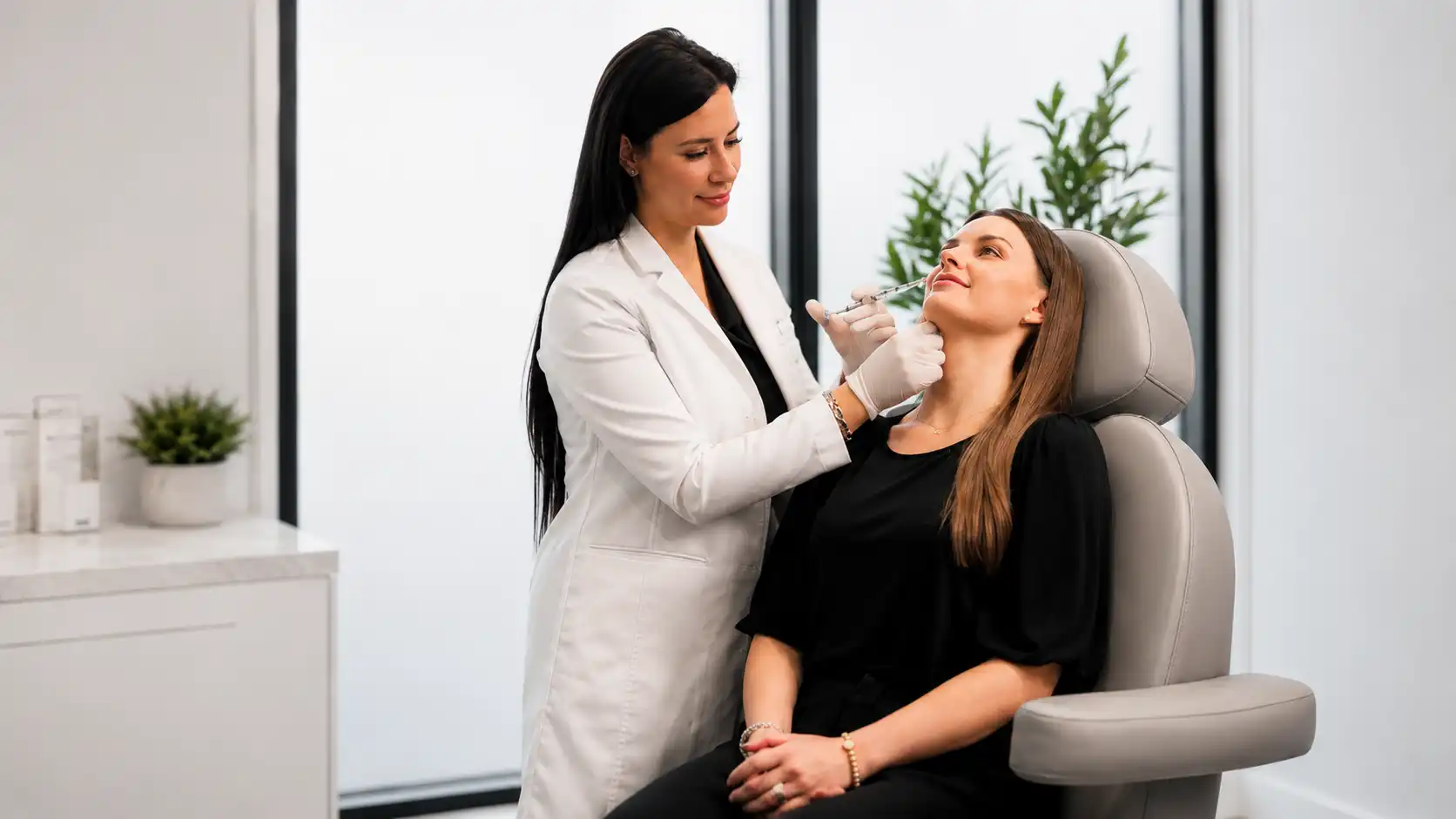
Almost every patient who sits down for a consultation says some version of the same thing. They want to look refreshed, not different. Not frozen, not overfilled, just like a well-rested version of themselves. That request is simple to say and genuinely difficult to deliver, and it is exactly what natural-looking injectables are supposed to achieve when they are done right.
At Sanctuary Medical Aesthetic Center in Boca Raton and Fort Lauderdale, that philosophy shapes every neuromodulator and filler treatment we perform, whether the goal is softening a few expression lines or restoring volume that has faded with age.
Injectables have moved from a niche request to one of the most common treatments in cosmetic medicine, and South Florida reflects that shift clearly. According to the American Society of Plastic Surgeons, neuromodulator injections and lip augmentation with injectable fillers tied for the largest share of minimally invasive cosmetic procedures performed in the South Atlantic region, which includes Florida, in 2024.
That popularity comes with a tradeoff. As more patients seek these treatments, the range of technique and experience among providers has widened too, which makes the difference between a subtle, well-executed result and an obviously done one almost entirely about who is holding the syringe.
Neuromodulators like BOTOX® Cosmetic and Dysport® work by temporarily relaxing the specific muscles that cause expression lines, softening wrinkles like crow’s feet and forehead lines without adding volume anywhere.
Dermal fillers work through an entirely different mechanism. Hyaluronic acid-based fillers such as JUVÉDERM® and Restylane® add volume and structure to areas that have lost it over time, whether that is the cheeks, under the eyes, or the lips. Many patients benefit from both categories together, since one addresses movement and the other addresses volume, and neither substitutes for what the other does.
The single biggest factor separating a natural result from an obviously treated one is not the product used; it is the amount and the placement. Conservative dosing that respects a patient’s existing facial proportions almost always reads as more natural than a larger volume placed without regard for how the face actually moves and balances.
This is also where working in stages matters. Starting with a smaller, more conservative treatment and building gradually over subsequent visits tends to produce a more natural, better balanced result than trying to reach a final look in a single appointment, especially for patients who are new to injectables.
A real consultation starts with a genuine evaluation of your face at rest and in motion, not a product menu. Your provider should assess muscle movement for neuromodulators, or volume loss and skin quality for fillers, and ask what you actually want the outcome to look like rather than assuming every patient wants the same thing.
Medical history, allergies, and any previous injectable treatments also factor into the plan, since all of it affects how your body responds and how conservatively your provider should start.
Timelines differ meaningfully between the two categories. Neuromodulators typically take three to seven days to begin working, with full effect visible around the two-week mark, and results generally last three to four months before a repeat treatment is needed.
Fillers work differently. Initial swelling can make the treated area look fuller than the final result for the first day or two, with the true shape settling in over roughly two weeks. Depending on the product, filler results can last anywhere from six months to over a year.
Aftercare is straightforward for both categories, though the specifics vary slightly. For neuromodulators, avoid lying down or rubbing the treated area for several hours to keep the product from migrating. For fillers, avoid strenuous exercise, excessive heat, and alcohol for the first 24 hours, since all three can increase swelling or bruising at the injection sites.
Gentle icing during the first few hours can help with swelling for either treatment type, and your provider will let you know if any additional care applies to your specific plan.
Both neuromodulators and dermal fillers are well-established, generally safe treatments when performed by a qualified provider, though each carries some risk, including bruising, asymmetry, or in rare cases more serious complications. Understanding this upfront helps patients make an informed decision rather than being caught off guard.
The single biggest factor in avoiding complications is choosing an injector who genuinely understands facial anatomy, not just injection technique. Our board-certified providers are trained to recognize early warning signs and respond immediately if anything looks off, which matters most in treatments this technique-sensitive.
Sanctuary Medical Aesthetic Center has served more than 65,000 patients across Boca Raton and Fort Lauderdale, earning more than 600 five-star reviews over 25 years in business. Our board-certified physicians and licensed injectors bring both technical training and an eye for the small details that separate a refreshed, natural look from an obviously done one.
Injectables are often just one part of a broader plan for patients. Many pair neuromodulator or filler treatments with a HydraFacial® treatment to keep the surrounding skin looking as fresh as the results underneath.
Can I get a neuromodulator and a filler in the same appointment?
Yes, the two are commonly combined in one visit. If you are planning around a specific event, it helps to schedule the neuromodulator at least two weeks out, since it takes time to take full effect, while filler results are visible the same day.
Will people be able to tell I had something done?
Not if the treatment is conservative and matched to your actual anatomy. Overdone results almost always trace back to too much product placed without regard for proportion, not the treatment itself.
What if I don’t love the result right away?
Neuromodulators fade naturally over a few months if the result isn’t quite right. Hyaluronic acid fillers are reversible, and your provider can use an enzyme to dissolve some or all of the product if needed, though most adjustments are handled with a small follow-up treatment instead.
If you have been considering a refreshed, more rested look that still reads as unmistakably you, a consultation is the best place to start. Our team will walk through your goals and your anatomy so you know exactly what to expect before any treatment begins.
Book your appointment with Sanctuary Medical Aesthetic Center and take the first step toward a natural-looking result built around your own features.

Melasma and sun damage create some of the most persistent pigmentation challenges that dermatologists encounter. These conditions affect millions of people worldwide, with women experiencing melasma at significantly higher rates. Both conditions resist many traditional treatments, leaving patients frustrated with temporary solutions and recurring problems. Advanced laser technologies have transformed treatment outcomes, offering targeted approaches that address pigmentation at its source.
Recent data shows these pigmentation disorders rank among the top cosmetic concerns in dermatology practices. Patients frequently arrive after attempting multiple unsuccessful treatments, seeking definitive solutions that can restore skin clarity and confidence.
Melasma manifests as brown or gray patches, predominantly affecting the face in 90% of women. Hormonal fluctuations during pregnancy, menopause or contraceptive use trigger melanin overproduction. The condition commonly targets the cheeks, forehead, nose and upper lip areas. Genetic factors play a significant role, with family history increasing susceptibility.
The symmetrical presentation of melasma distinguishes it from other hyperpigmentation types. Patches develop gradually, becoming more pronounced during hormonal surges. Many patients notice intensification during pregnancy — earning the nickname “pregnancy mask” — or when starting hormonal therapies.
Sun damage, clinically termed solar lentigines, results from cumulative ultraviolet exposure over decades. These concentrated melanin deposits appear on chronically sun-exposed areas: face, hands, shoulders and chest. Both genders develop age spots equally, with prevalence increasing after age 40.
Childhood and adolescent sun exposure significantly influences adult pigmentation patterns. Spots often emerge suddenly in the 30s and 40s, representing years of accumulated UV damage despite current protection habits.
Standard pigmentation therapies — hydroquinone creams, tretinoin and chemical peels — provide modest improvements requiring months of consistent application. These surface treatments address only epidermal melanin, leaving deeper dermal deposits intact. Many patients experience skin irritation, uneven lightening or disappointing results.
Melasma presents particular challenges due to its dual-layer nature. Surface treatments cannot reach deeper pigment accumulations, limiting their effectiveness. Hormonal triggers remain active during treatment, causing rapid pigment return once therapy stops.
Chemical peels carry risks of post-inflammatory hyperpigmentation, especially in darker skin types or hormonally active patients. This complication can worsen existing pigmentation, creating additional treatment challenges.
Topical treatments also require extensive compliance periods, with visible results taking three to six months. Patient adherence often declines due to slow progress and potential side effects.
Contemporary laser technology targets pigmentation with unprecedented precision. These systems deliver specific light wavelengths that melanin absorbs preferentially, fragmenting pigment particles while preserving surrounding tissue. This selectivity enables effective treatment with minimal collateral damage.
Photothermolysis principles guide laser pigmentation treatment. Light energy converts to controlled heat upon melanin absorption, breaking down pigment structures. The body’s lymphatic system naturally eliminates these fragments over subsequent weeks.
Picosecond technology represents the latest advancement in pigmentation therapy. These devices generate ultra-rapid pulses measured in trillionths of a second, creating photoacoustic rather than thermal effects. This mechanical disruption shatters pigment particles more effectively than traditional heat-based methods.
The photoacoustic mechanism minimizes thermal damage to surrounding tissue, reducing post-inflammatory hyperpigmentation risks. Picosecond lasers excel at treating resistant pigmentation that fails to respond to conventional laser therapy.
Q-switched systems established the foundation for modern pigmentation treatment. Multiple available wavelengths enable customization based on pigment depth and skin characteristics. These versatile platforms can address various pigmentation types during single sessions.
The ability to adjust wavelength parameters makes Q-switched technology particularly valuable for complex melasma cases. Different wavelengths penetrate to varying depths, allowing comprehensive treatment of multi-layered pigmentation patterns.
Fractional laser resurfacing creates controlled micro-injuries that stimulate cellular turnover and collagen production. This approach works especially well for widespread sun damage while simultaneously improving skin texture and fine lines. The fractional pattern treats targeted areas while leaving intervening tissue intact to accelerate healing.
This technique allows more aggressive treatment parameters with reduced recovery compared to full-surface approaches. Patients benefit from comprehensive skin improvement beyond pigmentation correction.
Modern laser therapies offer substantial advantages over traditional methods. Many patients observe visible improvement following initial sessions, though optimal results require treatment series spaced appropriately. Laser precision enables targeted treatment without affecting healthy surrounding skin.
Recovery varies with laser type and treatment intensity. Most patients experience mild redness and swelling resolving within days. Unlike extensive chemical treatments, laser therapy typically requires minimal downtime, allowing immediate return to normal activities.
Long-term results depend on continued sun protection and appropriate maintenance. Many patients maintain clear, even skin tone for years following treatment completion. Success rates consistently exceed traditional therapy outcomes, with patient satisfaction ratings above 85%.
The predictable nature of laser treatment provides realistic expectations and measurable progress throughout the treatment course. Documentation through photography helps track improvements and guide treatment adjustments.
Effective treatment planning requires comprehensive evaluation of pigmentation type, severity, skin characteristics and patient history. Experienced practitioners use specialized imaging tools to assess pigment depth and distribution patterns. This analysis guides appropriate laser selection and treatment parameters.
Combination approaches often yield superior results for complex cases. Sequential treatments with different laser types can address various pigmentation layers comprehensively. Some patients benefit from combining laser therapy with targeted skin treatments designed for specific skin types.
Treatment timing considerations include hormonal cycles for melasma patients and seasonal factors affecting sun exposure. Proper scheduling around work and lifestyle commitments improves treatment adherence and outcomes.
Practitioner expertise significantly influences treatment success. Board-certified dermatologists and plastic surgeons with specialized laser treatment experience achieve more consistent and satisfactory results compared to less experienced providers.
Don’t let melasma and sun damage control your confidence any longer. At Sanctuary Medical Aesthetic Center in Boca Raton and Fort Lauderdale, our team of board-certified professionals specializes in advanced laser treatments for pigmentation disorders.
With access to the latest laser technology and personalized treatment plans, we can help you achieve the clear, even-toned skin you deserve. Contact us today to schedule your consultation and discover how our advanced laser solutions can transform your skin.
Most patients with melasma require three to six laser sessions spaced four to six weeks apart for optimal results. The exact number depends on the severity of pigmentation and how well your skin responds to treatment.
Modern laser systems can safely treat most skin types, but certain wavelengths and settings are better suited for darker skin tones. A thorough consultation will determine the safest and most effective approach for your specific skin type.
While laser treatments can significantly reduce existing melasma, hormonal changes and sun exposure can trigger new pigmentation. Consistent sun protection and maintenance treatments help prevent recurrence.
Most patients experience mild redness and swelling for two to three days following treatment. Some darkening of treated spots may occur initially before they begin to fade over the following weeks.
With proper sun protection and skincare maintenance, results can last several years. However, new sun damage can develop over time, making ongoing protection and periodic maintenance treatments important for long-term results.

Excessive sweating affects millions of Americans, transforming routine activities into sources of anxiety and embarrassment. Hyperhidrosis, the medical term for this condition, goes far beyond normal perspiration and can dramatically impact quality of life. Advanced treatments like Brella and Botox offer proven solutions for those struggling with this challenging condition.
Unlike typical sweating that occurs during exercise or hot weather, hyperhidrosis causes profuse perspiration even in cool environments or during rest. This medical condition affects both men and women equally and can develop at any age, though it most commonly begins during adolescence or early adulthood.
Hyperhidrosis is a medical condition characterized by excessive sweating that occurs beyond what the body needs for temperature regulation. This condition affects approximately 3% of the population and can manifest in two distinct forms: primary and secondary hyperhidrosis.
Primary hyperhidrosis typically begins in childhood or adolescence and affects specific body areas such as the underarms, palms, feet or face. This form has no underlying medical cause and often runs in families, suggesting a genetic component. The sweating usually occurs symmetrically, affecting both sides of the body equally.
Secondary hyperhidrosis develops later in life and often results from underlying medical conditions such as diabetes, thyroid disorders or menopause. Certain medications, including some antidepressants and blood pressure medications, can also trigger this type of excessive sweating. Unlike primary hyperhidrosis, secondary forms may affect larger body areas and can occur during sleep.
The condition can severely impact daily activities, professional interactions and personal relationships. Many people with hyperhidrosis report avoiding certain clothing colors, social situations or physical contact due to their excessive sweating. The unpredictable nature of sweating episodes adds stress to an already challenging condition.
Living with hyperhidrosis presents numerous challenges that extend beyond physical discomfort. The condition can significantly affect professional life, as sweaty palms during handshakes or visible sweat stains can create awkward situations in business settings. Many sufferers report changing careers or avoiding job opportunities that require public speaking or client interaction.
Social interactions often become sources of intense stress and anxiety. Simple activities like holding hands, dancing or wearing certain fabrics can trigger worry about visible sweating. Dating becomes particularly challenging, as physical intimacy may be avoided due to embarrassment about excessive perspiration.
The financial burden can also be substantial. Many individuals spend considerable money on specialized antiperspirants, frequent dry cleaning, clothing replacements and absorbent products. Some resort to wearing multiple layers or dark-colored clothing exclusively to hide sweat stains.
The psychological impact can be the most devastating aspect of the condition. Many sufferers experience decreased self-confidence, social withdrawal and in some cases, depression or anxiety disorders directly related to their hyperhidrosis. Studies show that people with severe hyperhidrosis report quality-of-life impacts comparable to those with serious chronic illnesses.
Brella represents a breakthrough in hyperhidrosis treatment, offering a noninvasive solution specifically designed for underarm sweating. This innovative system uses a specialized gel patch that targets sweat glands with precision, providing an alternative for patients who prefer needle-free treatments.
The treatment process is straightforward and comfortable. During the appointment, a medical professional applies the Brella patch to clean, dry underarms. The patch remains in place for exactly three minutes, during which the active ingredient penetrates the skin to target overactive sweat glands. The controlled delivery system provides optimal absorption while minimizing skin irritation.
The science behind Brella involves temporarily blocking sweat ducts, reducing the amount of perspiration that reaches the skin’s surface. This targeted approach affects only the treated area, allowing normal sweating to continue in other parts of the body for healthy temperature regulation.
Patients typically see initial results within four weeks of treatment, with maximum effects becoming apparent by six to eight weeks. The results can last six months or longer, making it a convenient option for busy lifestyles. The procedure requires no downtime, allowing patients to return to normal activities immediately after the appointment.
Botox has gained FDA approval for treating severe underarm sweating and represents another highly effective option for hyperhidrosis management. The treatment works by blocking nerve signals that stimulate sweat glands, significantly reducing perspiration in treated areas without affecting the body’s ability to regulate temperature.
During the procedure, small amounts of Botox are injected into the affected area using an ultra-fine needle. The injections are spaced approximately 1 to 2 centimeters apart to provide comprehensive coverage. Most patients require 50 to 100 units of Botox per underarm, depending on the severity of their condition and the size of the treatment area.
The neurotoxin temporarily paralyzes the nerves responsible for activating sweat glands. This process is highly localized, affecting only the treated area while leaving surrounding nerves and muscles unaffected. The precision of modern injection techniques minimizes discomfort and maximizes effectiveness.
Results typically appear within two weeks of treatment and can last six to 12 months. Many patients report a dramatic reduction in sweating, with some experiencing complete dryness in treated areas. The treatment can be repeated as needed to maintain results, and many patients find that subsequent treatments may last longer than initial sessions.
Both Brella and Botox offer significant advantages for hyperhidrosis treatment, but they differ in application methods and patient experience. Brella provides a completely noninvasive option with no injections required, making it ideal for patients who have needle phobia or prefer avoiding injections altogether.
Botox injections, while involving multiple small injections, often provide longer-lasting results and can treat larger areas more effectively. The injection technique allows for precise targeting of the most problematic areas, which can be customized based on each patient’s specific sweating patterns.
Cost considerations may also influence treatment choice. While both options require periodic maintenance treatments, the frequency and expense can vary significantly between patients. Medical providers can help determine which option offers the best value based on individual response and lifestyle needs.
Both options are performed in-office and require minimal time commitment, typically completed within 30 minutes. Neither treatment requires general anesthesia, and both allow patients to resume normal activities immediately. The choice often depends on individual preferences, severity of symptoms and specific treatment goals.
Before any hyperhidrosis treatment, patients undergo a comprehensive consultation to assess their condition and determine the most appropriate treatment approach. Medical providers will review medical history, current medications and specific areas of concern. They may also perform tests to measure baseline sweating levels.
During the consultation, providers will discuss realistic expectations, potential side effects and post-treatment care instructions. They’ll also evaluate patients for suitability for the chosen treatment and address any concerns or questions.
For Brella treatment, the appointment is quick and comfortable. The patch application takes only minutes, and many patients report feeling little to no discomfort during the process. The treatment area is cleaned and dried before patch placement, and patients remain in a comfortable position throughout the brief procedure.
Botox treatments involve multiple small injections, which most patients describe as brief pinching sensations similar to getting a vaccine. Topical numbing cream can be applied 20 to 30 minutes before treatment to minimize discomfort. The actual injection process typically takes 10 to 15 minutes, depending on the treatment area size.
Results from both treatments develop gradually over several weeks, allowing the body to adjust naturally to reduced sweating. Brella patients typically notice initial improvements within four weeks, with maximum results appearing by six to eight weeks post-treatment. Some patients report subtle changes as early as two weeks after application.
Botox results usually become apparent within one to two weeks, with full effects visible by four weeks. The gradual onset allows for natural adaptation and helps provide even results across the treatment area. Peak effectiveness typically occurs around the four- to six-week mark.
Both treatments provide substantial reduction in sweating, with many patients reporting 50% to 90% improvement in their symptoms. The degree of improvement can vary based on factors such as individual body chemistry, severity of the condition and adherence to post-treatment care instructions.
The duration of results varies among individuals, but most patients enjoy six to 12 months of significantly reduced sweating before requiring additional treatment. Many find that subsequent treatments may provide longer-lasting results as the sweat glands adapt to the reduced stimulation over time.
At Sanctuary Medical Aesthetic Center in Boca Raton and Fort Lauderdale, our experienced medical team offers both Brella and Botox treatments for hyperhidrosis. Dr. Jason Pozner and our skilled practitioners understand the profound impact excessive sweating can have on your life and are committed to providing effective, personalized solutions.
Our state-of-the-art facility houses the largest laser center in South Florida, reflecting our commitment to advanced medical technology. We also offer miraDry® treatments for patients seeking a permanent solution to underarm sweating. Schedule your consultation today to discover which treatment option is right for you and take the first step toward a more confident, comfortable life free from the constraints of excessive sweating.
Many insurance plans cover hyperhidrosis treatments when deemed medically necessary. Coverage varies by provider and specific policy terms. Our team can help verify your benefits and explore payment options during your consultation.
Brella treatments typically provide relief for six months or longer, while Botox results generally last six to 12 months. Individual results may vary based on factors such as metabolism, lifestyle and severity of the condition.
Both treatments are well-tolerated with minimal side effects. Brella may cause temporary skin irritation at the application site. Botox injections may result in minor bruising, swelling or temporary muscle weakness in the treatment area.
While both treatments are FDA-approved specifically for underarm hyperhidrosis, Botox can be used off-label for other areas such as palms, feet or face. Your medical provider can discuss treatment options for different body areas during your consultation.
You can resume normal activities immediately after Brella treatment. Following Botox injections, it’s recommended to avoid strenuous exercise for 24 hours to prevent the toxin from spreading to unintended areas.
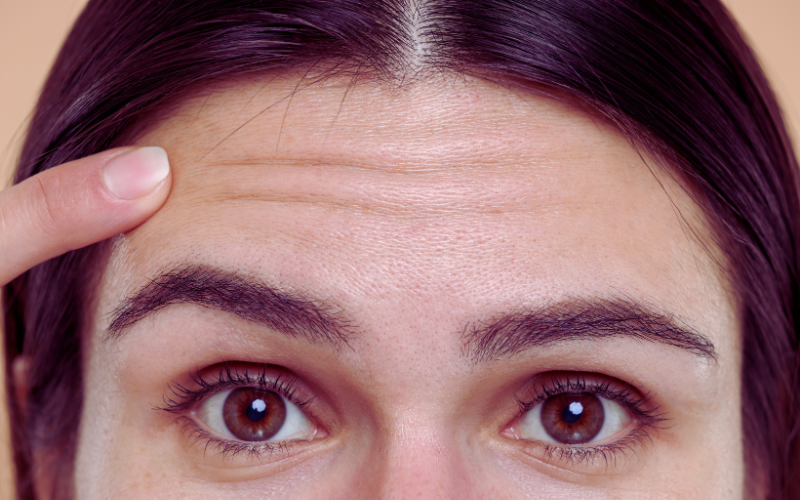
At 40, the mirror reveals changes many hoped would arrive later. Fine lines frame your eyes, facial volume diminishes, and skin texture shifts in ways that catch you off guard. This decade becomes the perfect time to take action with targeted aesthetic treatments that preserve your natural beauty while addressing these emerging concerns.
Your forties often bring career success and personal confidence, creating the ideal moment to invest in treatments that match your achievements. Today’s aesthetic medicine provides effective nonsurgical solutions that fit seamlessly into demanding schedules, delivering results without compromising professional or family commitments.
Your body’s aging timeline accelerates during the forties through predictable biological shifts. Collagen drops by roughly 1% annually after 30, weakening skin structure and flexibility. Meanwhile, hyaluronic acid stores deplete, leaving skin drier and less plump. These molecular changes create the visible signs that prompt many to seek professional help.
Women approaching perimenopause face additional challenges as estrogen levels fluctuate unpredictably. This hormonal turbulence affects skin thickness, moisture levels, and elastin quality. Men experience their own gradual testosterone decline, which slows skin repair and recovery processes.
Decades of environmental exposure compound these internal changes. Sun damage, stress, and lifestyle choices accumulate during this period, making intervention both necessary and effective. Smart timing means addressing existing damage while preventing future deterioration.
Your metabolism also shifts during this decade. Cell renewal slows, and your skin’s natural repair abilities weaken. Professional treatments can jump-start these processes and restore function that time has diminished.
Botox targets the muscle movements that create expression lines, offering both treatment and prevention. At 40, strategic injections smooth existing wrinkles while stopping deeper creases from forming. The treatment temporarily weakens specific facial muscles, allowing overlying skin to relax and soften.
Practitioners commonly treat foreheads, eye corners, glabellar lines, and neck bands. Advanced techniques address smile lines, mouth corners, and hyperhidrosis. Each session requires 15 to 20 minutes with minimal discomfort and immediate return to activities.
Effects persist for three to four months, making maintenance straightforward for busy schedules. Regular patients often extend treatment intervals as muscles adapt to reduced activity patterns over time.
Starting before permanent creases develop yields superior prevention and more natural outcomes. Success depends on finding skilled practitioners who understand facial anatomy and can deliver subtle improvements that look completely natural.
Volume depletion becomes obvious during the forties, especially in cheeks, temples, and tear troughs. Hyaluronic acid fillers replace lost fullness while hydrating tissue from within. Modern injection techniques focus on restoring youthful proportions rather than simply filling individual lines.
Skilled injectors target cheek projection for midface support, soften nasolabial folds, define lip borders, and address under-eye hollowing. Liquid facelifts combine different filler types to achieve comprehensive rejuvenation without surgical intervention.
Hyaluronic acid’s water-binding properties make these products particularly valuable for mature skin. Different viscosities allow customized treatment of various facial zones and specific concerns.
Well-placed fillers last 12 to 18 months depending on product choice and location. Staged approaches work well, addressing different areas across multiple appointments to achieve balanced, natural-looking results.
Laser technology addresses multiple aging concerns through controlled thermal energy. Professional systems can tackle texture problems, pigmentation issues, and skin laxity with customizable settings for individual needs and skin types.
Fractional resurfacing stimulates collagen while smoothing texture, minimizing lines, and shrinking pores. These treatments create controlled micro-wounds that activate healing responses, producing smoother, younger-looking skin over time.
IPL targets brown spots, sun damage, and uneven pigmentation common after decades of exposure. Broad-spectrum light selectively heats melanin clusters, breaking them apart for natural elimination. Multiple sessions optimize results for significant damage.
Skin-tightening lasers heat deeper layers to contract existing collagen and stimulate new formation. These noninvasive procedures gradually improve facial and neck laxity without surgery or extended recovery.

This combination treatment uses microneedles to deliver radiofrequency energy at controlled depths. The Genius system excels at comprehensive skin improvement by addressing surface and structural concerns simultaneously.
Benefits include texture refinement, scar reduction, skin tightening, and pore minimization. Radiofrequency creates precise thermal zones that stimulate robust collagen production without surface damage.
The procedure creates tiny channels while delivering energy through insulated needles. This approach maximizes collagen response while minimizing trauma and downtime. Most patients experience mild redness lasting 24 to 48 hours.
Improvements continue for months as new collagen develops and matures. Initial changes appear within weeks, with peak results at three to six months. Annual treatments maintain ongoing skin quality improvements.
Hormonal shifts and metabolic changes during the forties often create stubborn fat deposits that resist traditional weight loss methods. Modern body contouring provides nonsurgical alternatives without surgical risks or lengthy recoveries.
This FDA-approved technology eliminates fat cells through controlled cooling in a process called cryolipolysis. The Elite system treats multiple areas simultaneously, cutting treatment time in half while maintaining safety and effectiveness.
Popular zones include abdomen, flanks, arms, thighs, and submental areas. Specialized applicators deliver precise temperatures that crystallize fat cells without harming surrounding tissue. Dead cells clear naturally through lymphatic drainage over two to three months.
Sessions last 35 to 60 minutes per area, with most patients needing two to three treatments for optimal results. The noninvasive approach allows immediate activity resumption, perfect for professional schedules. Visible changes begin at four to six weeks and peak around four months.
Proper candidate selection drives success. Ideal patients have pinchable fat and realistic expectations. Each treatment reduces targeted fat by 20% to 25%, creating noticeable but natural improvements.
This innovative device combines muscle building with fat reduction using electromagnetic and radiofrequency technologies. High-intensity electromagnetic fields trigger powerful contractions while heat destroys fat cells simultaneously.
The treatment appeals to those wanting muscle toning alongside fat reduction. Common areas include abdomen, buttocks, arms, and thighs. Each session produces approximately 20,000 contractions equivalent to intensive exercise.
Studies show 30% fat reduction and 25% muscle increase after four treatments. This dual approach delivers more comprehensive results than single-technology options. Sessions last 30 minutes with zero downtime.
Radiofrequency heating permanently damages fat cells while electromagnetic pulses build muscle mass and definition. This combination creates improved contours and enhanced muscle tone that exercise alone cannot achieve.
Success at 40 requires individualized approaches that consider your specific concerns, lifestyle demands, and aesthetic goals. Comprehensive consultations evaluate current conditions, aging patterns, and realistic expectations to design effective strategies.
Key factors include present skin status, maintenance preferences, budget parameters, and timeline requirements. Professional assessment identifies treatments that deliver maximum impact and value for your investment.
Combination therapies often work best, addressing multiple concerns together. Pairing Botox with fillers and laser treatments creates comprehensive rejuvenation that appears natural and balanced.
Treatment sequencing matters for optimal outcomes. Some procedures work better in specific orders to maximize effectiveness and minimize complications. Skilled practitioners design timelines that accommodate your schedule while achieving your goals.
Regular maintenance typically produces superior long-term results compared to sporadic intensive treatments. Established schedules preserve improvements and prevent new aging signs from developing. This proactive approach often requires fewer total treatments while providing better value.
Effective maintenance might include quarterly Botox, annual filler touch-ups, seasonal laser sessions, and monthly professional facials. These schedules adjust based on individual responses, needs, and lifestyle factors.
Combining professional treatments with quality home care maximizes and extends results. Medical-grade products support treatment outcomes while providing ongoing benefits. Daily sunscreen remains the most crucial protective measure for everyone.
Lifestyle choices significantly influence treatment success and longevity. Quality sleep, balanced nutrition, regular exercise, and stress management support skin health and treatment effectiveness. Eliminating smoking and moderating alcohol can dramatically improve outcomes.
Ready to address aging concerns with proven treatments? Sanctuary Medical Aesthetic Center in Boca Raton and Fort Lauderdale combines cutting-edge technology with board-certified expertise. Our comprehensive approach includes advanced lasers, injectables, and body contouring tailored to your needs.
Founded by renowned plastic surgeon Dr. Jason Pozner, Sanctuary Medical houses South Florida’s largest laser facility. Our team of board-certified specialists, physician assistants, and medical aestheticians collaborate to create treatment plans that fit your lifestyle and address your concerns.
Schedule your complimentary consultation today to discover how we can help you look and feel your best throughout your forties and beyond. Our experienced professionals will evaluate your needs and design a customized approach to achieve your aesthetic goals safely and effectively.
Starting preventive treatments in your late 20s or early 30s can help slow the aging process. However, beginning at 40 is still highly effective for addressing existing concerns and preventing further aging.
Yes, when performed by qualified professionals, aesthetic treatments are safe for healthy adults. Your provider will review your medical history and current health status before recommending appropriate treatments.
Downtime varies by treatment. Botox and fillers require minimal to no downtime, while laser treatments may involve a few days of redness and mild swelling. Your provider will discuss expected recovery time during consultation.
Many treatments can be safely combined during a single visit, such as Botox and fillers or certain laser procedures. Your aesthetic professional will determine the best combination approach for your goals and skin type.
Results timeline varies by treatment. Botox effects appear within three to five days, fillers show immediate results that improve over weeks, and laser treatments reveal gradual improvements over several months as collagen rebuilds.
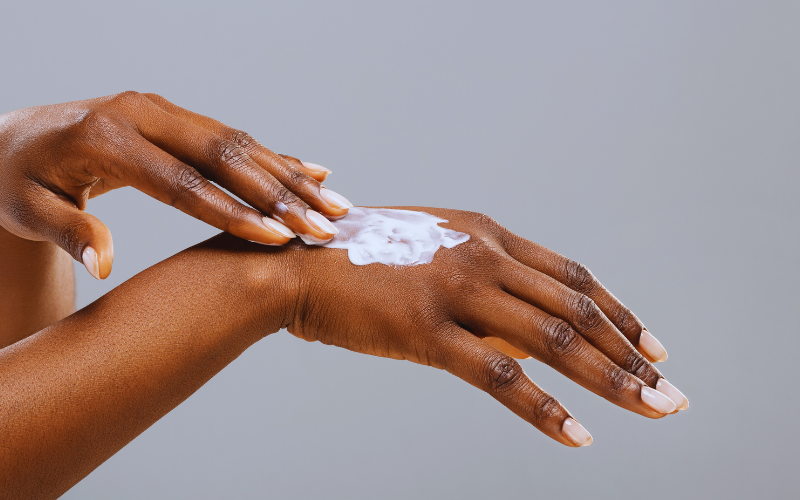
Your twenties mark a turning point for skin health and aesthetic wellness. Most young adults focus on immediate issues like acne or breakouts, but this decade presents the perfect chance to build preventive care habits that will shape long-term skin quality and aging patterns.
Prevention versus correction in aesthetic medicine has sparked widespread discussion as treatments become mainstream. Knowing when to begin preventive care versus waiting for corrective procedures helps you make smart choices about your aesthetic path. Studies show patients who start preventive care in their twenties need fewer aggressive treatments in their 40s and 50s.
Preventive aesthetic treatments maintain skin health and delay aging before problems surface. They boost natural collagen production, shield against environmental damage, and create healthy maintenance routines that matter more as metabolism slows with age.
Your skin in your twenties still makes plenty of collagen and elastin — proteins that keep skin firm and stretchy. Preventive treatments work with this natural production while adding strategies to keep these levels steady over time. Skin cells naturally renew every 28 days during your twenties, creating prime conditions for treatment success.
Doctors stress that prevention takes consistency and patience. While corrective treatments fix existing damage, preventive care accumulates benefits over months and years. This method works with your body’s healing processes and creates subtle, natural results.
Starting preventive care in your twenties brings advantages that grow over time. Treatments stay less invasive with little downtime, working well with packed schedules. Prevention costs less than major corrective work later since maintaining healthy skin beats fixing serious damage.
Good skin health from a young age builds the foundation for aging well. Young skin responds better to treatments and heals faster after procedures. Building relationships with aesthetic providers early means consistent monitoring and plan adjustments as your needs shift.
Treatments like light chemical peels, microneedling and Laser Genesis boost cell renewal and collagen production. These fix small flaws while creating stronger, tougher skin for years ahead. Patients who start with mild treatments in their twenties can maintain results with less work instead of needing harsh fixes later.
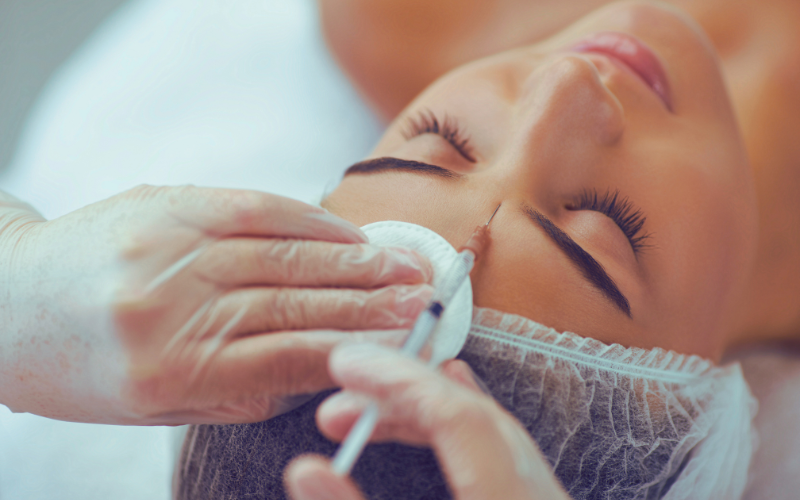
People link Botox with older patients, but younger people increasingly use preventive Botox to stop dynamic wrinkles before they stick around. Small amounts placed in active muscle areas prevent lines from repeated expressions like frowning, squinting or eyebrow raising.
Beginning treatments in your twenties prevents deep lines from years of muscle movement. Success comes from using small amounts that keep natural expressions while cutting muscle activity that causes wrinkles. Most doctors suggest starting with few units and adjusting based on how you respond.
Preventive neurotoxin results last three to four months at first. Regular treatments often make effects last longer over time. The process takes 10 to 15 minutes with no recovery time, fitting busy lives.
Regular facials, chemical peels and medical-grade skincare products anchor preventive aesthetic care. These keep skin clear, tackle early sun damage, and maintain clean, smooth pores while building habits that help long-term skin health.
Monthly or twice-monthly facials handle specific problems like blocked pores, bumpy texture or early dark spots. Medical-grade products pack stronger active ingredients than drugstore versions, giving better results under professional watch.
Chemical peels from light glycolic treatments to medium-depth options address various issues while boosting cell renewal. Light peels need little downtime and work for regular use. Deeper peels might happen quarterly or twice yearly based on individual needs and skin reaction.
Modern laser technology tackles various skin problems while boosting long-term health through controlled heat that triggers natural healing. Laser hair removal stops constant shaving or waxing while cutting ingrown hairs and irritation — great for sensitive skin.
Rejuvenation lasers improve texture and tone by targeting specific skin elements. IPL (intense pulsed light) treatments handle early sun damage, redness and uneven color. Fractional lasers create tiny treatment spots that boost collagen while leaving surrounding tissue alone for quicker healing.
Laser treatment flexibility lets providers customize plans based on skin type, concerns and comfort levels. Most laser work needs several sessions weeks apart for best results, with yearly maintenance or as needed.
Some people need corrective treatments in their twenties because of genes, environment or lifestyle choices that speed aging or create specific problems. Acne scars, major sun damage from outdoor work or activities, or inherited skin conditions might need stronger approaches than standard preventive care provides.
Corrective treatments use aggressive methods to fix existing damage rather than just maintaining current skin quality. Options include deeper chemical peels that reach multiple skin layers, ablative laser resurfacing that removes damaged tissue, or dermal fillers for volume loss or unevenness from genetics or injury.
The line between preventive and corrective care depends on how severe existing problems are. Thorough professional assessment determines which approach works best for your goals while avoiding unnecessary treatment intensity.
Stubborn acne scars that change skin texture and appearance may need targeted correction before starting preventive steps. Clear pigment problems like melasma or post-inflammatory dark spots often improve with corrective treatments to restore even skin tone.
Early volume loss around the under-eyes, temples or cheeks might signal need for correction rather than just prevention. Some people lose volume early due to genetics, quick weight changes or medical conditions affecting facial structure.
Serious sun damage including deep pigmentation, rough texture or early photodamage may need corrective work to restore skin health before switching to preventive maintenance. Environmental factors like pollution, smoking history or work hazards can speed skin aging and require corrective treatments.
The best approach often mixes preventive and corrective strategies to handle immediate concerns while building long-term skin health protocols. Someone might treat existing acne scars with targeted lasers while adding preventive steps like regular chemical peels and professional skincare to maintain results and prevent future damage.
This mixed approach tackles immediate problems while creating long-term skin health habits that support treatment results. It allows flexibility to adjust treatments as needs change, moving from corrective to preventive approaches as initial concerns improve.
Staged treatment plans work best — starting with corrective work for main concerns, then moving to preventive maintenance once you achieve desired improvements. This approach maximizes treatment benefits while minimizing long-term costs and treatment intensity.
Working with skilled aesthetic professionals proves valuable when choosing the right approach for your situation. A qualified provider can examine your skin condition, discuss your goals and expectations, and suggest proper treatments based on your specific circumstances, lifestyle and budget.
Professional evaluation separates concerns needing immediate correction from those benefiting from preventive care. This guidance prevents unnecessary treatments while making sure you get proper interventions when needed, potentially saving time and money long-term.
Complete consultations should include skin analysis with advanced diagnostic tools, medical history discussion and current skincare routines, plus realistic timelines for achieving desired results. Experienced providers also teach patients about potential side effects, aftercare needs and long-term maintenance requirements.
Success with preventive and corrective treatments depends heavily on lifestyle choices that help or hurt treatment effectiveness. Daily sunscreen with broad-spectrum SPF 30 or higher stays the most important factor in preventing early aging and maintaining treatment results.
Good hydration, adequate sleep of seven to nine hours nightly, and eating antioxidants and healthy fats all help treatment effectiveness and long-term results. Regular exercise boosts circulation and supports cell renewal, while stress management prevents hormonal changes that affect skin health.
Smoking, heavy drinking and poor skincare habits can ruin even advanced treatments by causing inflammation, dehydration and faster aging. Building healthy lifestyle patterns in your twenties creates the best environment for aesthetic procedures to reach full potential while supporting health and wellness.
At Sanctuary Medical Aesthetic Center in Boca Raton and Fort Lauderdale, our team of board-certified plastic surgeons, dermatologists and aesthetic professionals creates personalized treatment plans for patients in their twenties. We balance prevention with correction to achieve optimal long-term results while respecting individual goals and budgets.
Our complete consultation process determines the best approach for your needs and goals through advanced skin analysis and detailed discussion of your aesthetic objectives. From advanced laser treatments including CoolSculpting Elite and VelaShape to injectable therapies and professional skincare services, we offer the latest technologies in a comfortable, professional environment.
Dr. Jason Pozner and our experienced team provide honest recommendations that put patient well-being over unnecessary treatments. We educate patients about all available options while suggesting the most conservative effective approach for achieving desired outcomes.
Contact Sanctuary Medical Aesthetic Center today to schedule your complimentary consultation and discover how preventive and corrective aesthetic treatments can support your skin health journey throughout your twenties and beyond.
Most dermatologists recommend beginning preventive skincare routines in your early twenties. Professional treatments can typically start around age 25, though individual needs vary based on skin condition, genetics and lifestyle factors.
Preventive treatments often prove more cost-effective than extensive corrective procedures later in life. Early intervention can slow aging processes and maintain skin quality with less invasive approaches.
Treatment frequency depends on the specific procedure and your individual needs. Most preventive treatments require maintenance every three to six months, though your provider will recommend an appropriate schedule during consultation.
Yes, many patients benefit from combining various treatments. A qualified provider can design a comprehensive plan that addresses multiple concerns while avoiding potential complications from overlapping procedures.
Preventive treatments typically focus on maintaining current skin quality and slowing aging processes. You can expect improved texture, clarity and resilience rather than dramatic transformations typically associated with corrective procedures.

Laser treatments have transformed how we approach skin rejuvenation, offering effective solutions for various aesthetic concerns. Among the most sought-after options are Moxi and BBL Hero, two distinct technologies that address different skin issues through unique mechanisms. Your skin type and specific concerns will determine which treatment offers the best path forward.
Each technology operates differently, targeting various layers and components of the skin. Recognizing these differences allows you to select the treatment that aligns with your goals and provides the most effective results for your particular situation.
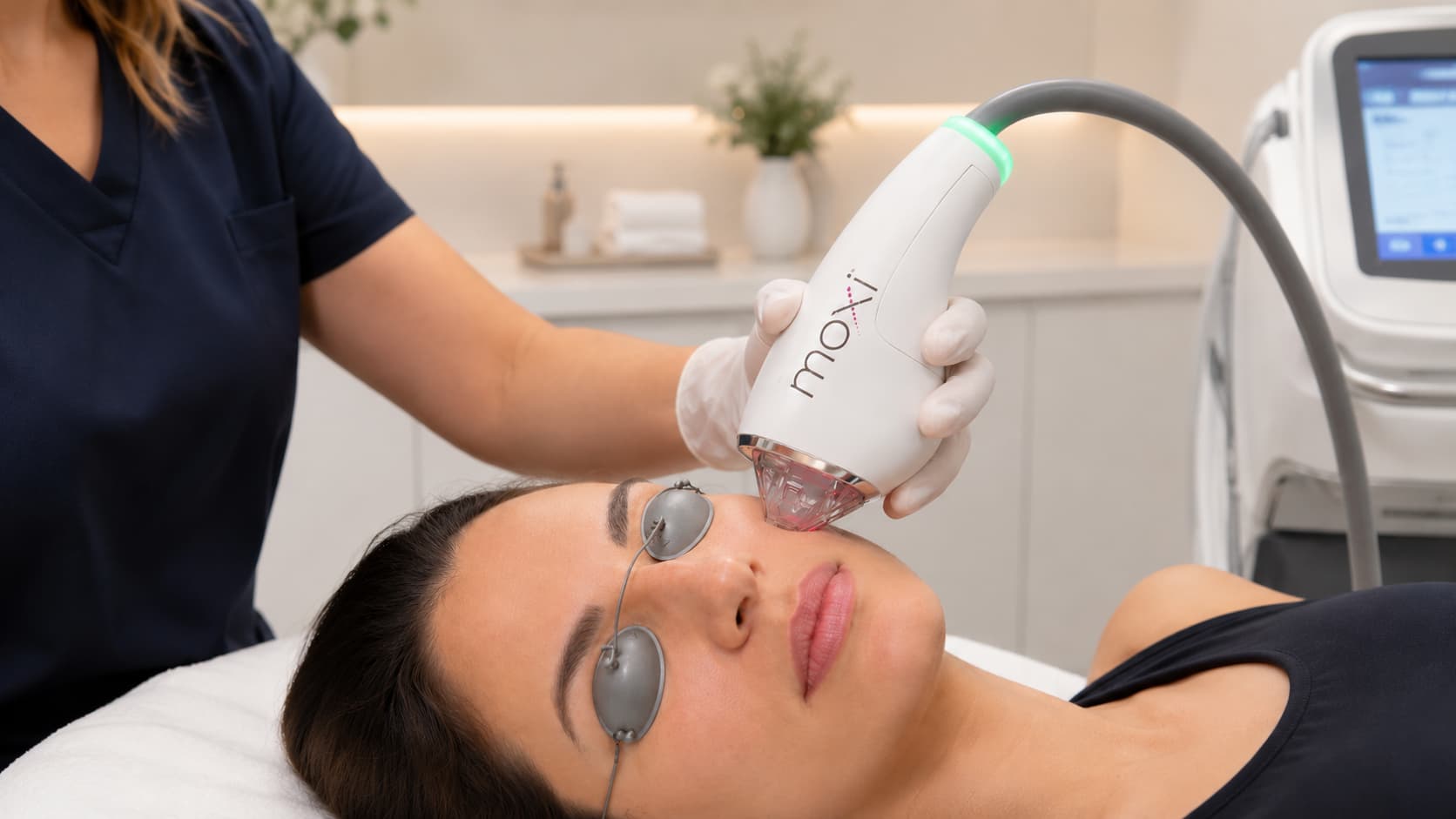
Moxi employs fractional non-ablative laser technology, generating microscopic treatment zones within the skin. The system activates the body’s healing response, boosting collagen synthesis and cellular turnover while preserving the skin’s surface integrity. Operating at 1,927 nanometers, this laser precisely targets water molecules in the dermal layer.
This approach proves especially beneficial for early aging signs, sun-related damage and texture inconsistencies. The laser reaches controlled depths, affecting the dermis while sparing the epidermis from harm. Patients experience reduced recovery time while achieving visible skin quality improvements. The fractional design treats only selected portions of skin during each session, promoting quicker healing and lowering complication risks.
Post-treatment effects include mild redness and minor swelling lasting 24-48 hours. Results emerge progressively over weeks as fresh collagen develops and damaged cells give way to healthy tissue. This gradual improvement makes Moxi particularly valuable for younger patients seeking to preserve skin health and ward off future deterioration.
BBL Hero harnesses cutting-edge broadband light therapy, emitting targeted wavelengths that interact with specific skin chromophores. The system tackles pigmentation disorders, vascular irregularities and promotes collagen formation through precise thermal activation. Multiple wavelengths spanning 420-1,400 nanometers enable practitioners to tailor treatments for distinct concerns.
Intense pulsed light directly affects melanin and hemoglobin concentrations, proving highly effective against age spots, photodamage, rosacea and visible capillaries. The sophisticated cooling mechanism maintains patient comfort while safeguarding surface skin during treatment. Recent technological improvements include refined pulse patterns and superior energy distribution compared to earlier BBL versions.
Improvements often appear within days following treatment, with progressive benefits continuing for weeks. The system addresses numerous concerns in single sessions, creating an efficient approach to comprehensive skin renewal. Research demonstrates that BBL therapy can actually decelerate aging processes at the cellular level by modifying age-related gene expression patterns.
These treatments differ fundamentally in their energy delivery methods and therapeutic mechanisms. Moxi creates precise micro-injuries through fractional laser energy, activating healing responses that boost collagen synthesis. This process enhances texture and tone gradually by initiating repair cascades without producing visible surface wounds.
BBL Hero applies broadband light energy through selective photothermolysis principles. Targeted chromophores absorb specific wavelengths, eliminating unwanted pigmentation while stimulating cellular regeneration. This selective absorption allows practitioners to address particular concerns with remarkable precision.
Collagen stimulation occurs through separate pathways in each system. Moxi generates thermal effects in deeper tissues by heating water content, while BBL Hero merges thermal stimulation with selective destruction of problematic elements. Treatment selection often hinges on whether texture improvement or pigmentation correction takes priority.
These mechanistic differences explain varying treatment protocols and outcome expectations. Each technology’s scientific foundation shapes not only anticipated results but also improvement timelines and required session numbers.
Moxi suits patients experiencing initial aging changes, subtle texture problems and those pursuing preventive care. The treatment accommodates minimal downtime preferences and works across all skin tones, including darker complexions. Individuals with melasma or inflammatory hyperpigmentation often respond favorably since the fractional approach reduces risks of pigmentation exacerbation.
BBL Hero excels for patients with substantial photodamage, pronounced age spots, vascular concerns including broken capillaries and irregular pigmentation. The technology particularly benefits those managing rosacea and facial erythema, though optimal results occur in lighter to medium skin tones. Extensive sun exposure histories or hormonal pigmentation issues frequently show remarkable improvement with BBL Hero.
Patient age influences treatment recommendations significantly. Individuals in their twenties and early thirties often gain more from Moxi’s preventive benefits, while those over forty may experience more dramatic results from BBL Hero’s corrective approach to existing damage. Skin thickness, sensitivity levels and healing characteristics all factor into determining optimal treatment selection.
Consultation evaluations examine current concerns alongside lifestyle patterns, sun exposure backgrounds and future aesthetic objectives. This thorough assessment identifies which technology will deliver the most rewarding and enduring outcomes for individual patients.

Moxi sessions involve warm, tingling sensations as the laser generates microscopic zones throughout treated areas. Patient comfort remains high with topical anesthesia applied 30-45 minutes beforehand. Treatment duration ranges from 15-30 minutes based on area size. Aftercare emphasizes gentle skincare practices and diligent sun protection for at least two weeks following each session.
BBL Hero produces sensations comparable to elastic snapping against skin, with immediate cooling relief provided during and after each pulse. Most patients tolerate the experience well, though sensitive regions like the nose and eye area may benefit from topical numbing. Session lengths typically span 20-45 minutes depending on treatment zone size and concern complexity.
Recovery periods vary substantially between technologies, affecting scheduling and lifestyle planning. Moxi demands minimal downtime with mild redness subsiding within 1-2 days. Normal activities resume immediately, though makeup application may require 24-hour delay. Some patients notice light dryness and flaking for 3-5 days as skin renewal accelerates.
BBL Hero may produce more apparent initial reactions, with pigmented areas darkening for 7-10 days before visible improvement emerges. This “coffee ground” appearance indicates proper treatment response and should not cause concern. Patients must avoid picking these areas while maintaining adequate moisture throughout healing.
Moxi improvements develop steadily, reaching peak effectiveness after 3-4 treatments scheduled 4-6 weeks apart. Patients observe enhanced texture, minimized pore visibility and increased radiance within 4-6 weeks following initial treatment. The preventive advantages make Moxi valuable for long-term skin maintenance, with many patients scheduling quarterly sessions for ongoing benefits.
BBL Hero produces rapid visible changes, especially for pigmentation concerns. Age spots and sun damage start fading within days, with maximum improvement typically occurring 4-6 weeks post-treatment. Most patients reach their goals within 2-3 sessions spaced 4-6 weeks apart, though periodic maintenance treatments sustain improvements and prevent new damage formation.
Both treatments maintain long-term benefits through proper skincare and sun protection habits. Many patients alternate between technologies or combine them within comprehensive anti-aging programs. Cumulative effects from multiple treatments frequently surpass individual session benefits, making strategic treatment planning vital for optimal outcomes.
Treatment success correlates strongly with realistic expectations and post-care compliance. Patients following recommended skincare protocols and maintaining consistent sun protection typically enjoy longer-lasting results and may need fewer maintenance sessions over time.
Sanctuary Medical Aesthetic Center in Boca Raton and Fort Lauderdale houses board-certified dermatologists and skilled medical professionals who can identify the ideal laser treatment for your skin type and objectives. Our facility operates South Florida’s largest laser center, providing both Moxi and BBL Hero treatments with state-of-the-art equipment.
Our thorough consultation approach includes detailed skin assessment, aesthetic goal discussion and customized treatment plan creation that accommodates your lifestyle and budget. We maintain our reputation through honest recommendations that place your safety and satisfaction first.
Contact us today to schedule your complimentary consultation and discuss your skin concerns while developing a personalized treatment strategy that produces the results you seek. Our team remains dedicated to helping you achieve optimal skin health through proven treatments and expert care.
Yes, many patients benefit from combining both treatments as part of a comprehensive skin rejuvenation plan. Your provider can recommend the best sequence and timing for combination treatments based on your specific skin concerns.
Treatment frequency depends on your starting skin condition and desired results. Moxi typically requires 3-4 sessions, while BBL Hero often achieves goals in 2-3 treatments. Your provider will create a customized treatment plan during your consultation.
Moxi is safe for all skin types, including darker complexions. BBL Hero works best on lighter to medium skin tones. A thorough consultation will determine which treatment is safest and most effective for your specific skin type.
BBL Hero results begin appearing within days as pigmented areas start to fade. Moxi results develop more gradually over 4-6 weeks as collagen production increases and skin texture improves. Both treatments continue improving for several months post-treatment.
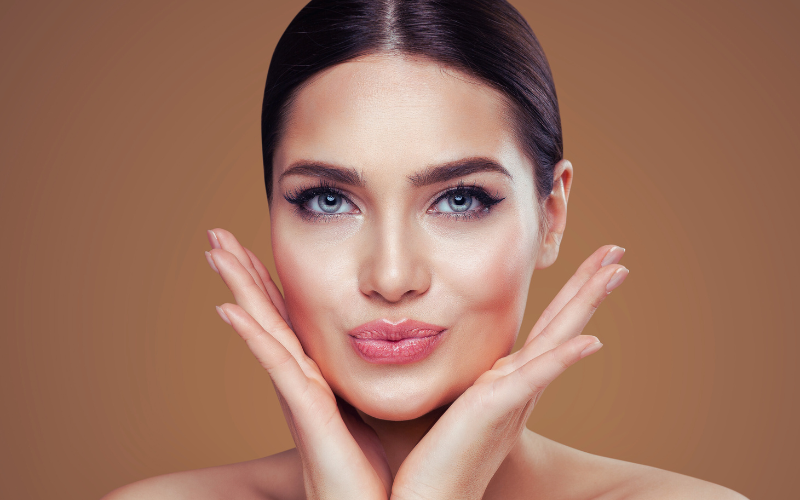
Most people think they have to pick between Botox and dermal fillers for facial rejuvenation. But pairing these treatments creates superior results compared to using either one alone. This dual approach tackles various aging signs at once, producing facial rejuvenation that appears genuine and proportionate.
Patients and practitioners favor this combination because it solves facial aging comprehensively. Instead of addressing individual problems separately, this technique treats the face as a connected system where one improvement supports another.
Botox and dermal fillers attack different aspects of facial aging through separate mechanisms. Botox temporarily relaxes muscles that cause dynamic wrinkles like crow’s feet, forehead lines and frown lines. These expression lines form from repeated muscle contractions over years, becoming deeper as collagen production slows with age.
Dermal fillers restore lost volume and smooth static wrinkles that stay visible when facial muscles rest. They add substance under the skin to fill areas depleted of collagen and elasticity. Today’s fillers contain hyaluronic acid, a body substance that pulls in and retains moisture for a plumping effect.
These treatments work together to address both dynamic and static aging components. Botox stops new dynamic wrinkles while fillers tackle existing volume loss and static lines. This pairing produces smoother, younger-looking skin while preserving natural facial expressions and movement.
Botox’s muscle relaxation helps fillers settle evenly in certain spots, while filler volume creates a base that makes Botox results look more natural.
This dual approach tackles various aging signs in one treatment plan. Botox smooths expression lines in the upper face while fillers restore volume to cheeks, lips and nasolabial folds. This complete treatment produces balanced, harmonious results across the whole face.
Different facial regions age differently. Upper faces typically develop dynamic wrinkles first, while mid- and lower faces lose volume and develop skin laxity. Treating these varied concerns together produces more complete results.
Combining treatments produces natural-looking results that preserve facial character. Botox alone sometimes creates an overly frozen look, while fillers alone might miss dynamic wrinkles. The combination creates subtle improvements that keep facial mobility while smoothing unwanted lines and restoring youthful contours.
Natural results come from strategic placement and conservative dosing of both products. Skilled practitioners balance muscle relaxation with volume restoration to create refreshed rather than dramatically altered appearances.
Pairing treatments extends results for both products. Botox prevents new lines, helping fillers last longer in areas where muscle movement typically breaks down products faster. Meanwhile, structural support from fillers reduces muscle workload, potentially extending Botox effectiveness.
This partnership means patients often develop more efficient maintenance schedules, requiring fewer total appointments to maintain their desired look.
Though initial investment runs higher, combining treatments proves more economical than addressing each concern separately. The partnership effects mean fewer touch-ups and better long-term value. Many practices offer package pricing for combination treatments, making comprehensive results more accessible.
A popular method uses Botox for the upper third of the face (forehead, crow’s feet and between the brows) while applying fillers to the lower two-thirds (cheeks, nasolabial folds, marionette lines and lips). This produces a balanced, youthful look without appearing overdone.
This method matches facial aging patterns with appropriate treatments. Upper faces benefit from muscle relaxation to smooth dynamic lines, while lower faces need volume restoration to counter gravity effects and bone changes that happen with age.
For younger patients in their late 20s and early 30s, combining small amounts of Botox with minimal filler prevents aging while addressing early volume loss. This proactive method maintains youthful features before significant aging occurs, often needing less product and producing subtler results.
This preventive strategy grows more popular as patients want to maintain rather than dramatically change their appearance. Starting early with conservative treatments preserves natural facial structure and delays need for extensive interventions.
Some patients benefit from combining treatments in specific areas where both dynamic and static aging occur together. For example, using both Botox and filler around the eyes addresses dynamic crow’s feet while treating under-eye hollowness or tear troughs. Similarly, combining treatments around the mouth smooths vertical lip lines while restoring lost lip volume.
These targeted combinations need particular expertise, as eye and mouth areas have complex anatomy requiring precise technique for natural-looking results.
Successful combination treatments need thorough consultation, typically lasting 30 to 45 minutes. During this visit, your provider assesses facial anatomy, discusses concerns and goals, and creates a customized treatment plan. This planning determines optimal timing, placement and amounts for both treatments.
Your provider reviews medical history, current medications and previous cosmetic treatments to ensure safety and optimal results. Photos may be taken to document your starting point and track progress over time.
Many patients get both treatments during the same visit, though some providers space them out based on individual factors. The complete process typically takes 30 to 60 minutes, depending on areas treated and treatment plan complexity.
Botox injections come first, using ultra-fine needles to minimize discomfort. Filler placement follows, with providers often using techniques like microcannulas to reduce bruising and improve precision. Topical numbing cream may be applied before treatment for maximum comfort.
Both treatments need minimal downtime, making them popular lunch-hour procedures. You might experience minor swelling, bruising or redness at injection sites, but these effects usually clear within days. Ice can be applied right after treatment to minimize swelling, and patients typically avoid strenuous exercise for 24 hours.
Botox results show within three to seven days and reach full effect at two weeks, while filler results often appear immediately with continued improvement over following weeks as swelling subsides and product integrates with surrounding tissues.
Combination treatment timing depends on individual goals, current treatment status and specific products used. If you’re new to both treatments, many providers recommend starting with Botox to establish a baseline and assess muscle response, then adding fillers during a follow-up visit two to four weeks later.
For maintenance patients, treatments can coordinate based on when each product naturally wears off. Botox typically lasts three to four months, while fillers last six to 18 months depending on type, location and individual metabolism. Strategic scheduling maintains consistent results while minimizing appointment numbers.
Some providers perform treatments simultaneously to reduce total visits, while others space them out to monitor results and make adjustments. The best approach depends on individual circumstances and provider preference.
Combination treatment success depends heavily on provider expertise and experience with both products. Look for board-certified plastic surgeons or dermatologists with extensive experience in Botox and dermal fillers. Skilled providers understand facial anatomy, aesthetic proportions and create natural-looking results that complement your features.
Review before-and-after photos of combination treatments, read patient reviews and ask about provider training and experience with specific products. Top practitioners attend regular training sessions and stay current with latest techniques and products in aesthetic medicine.
Don’t hesitate to ask questions about the provider’s combination treatment approach, complication rates and how they handle adverse events. Reputable providers are transparent about risks and realistic about expected outcomes.
At Sanctuary Medical Aesthetic Center in Boca Raton and Fort Lauderdale, our world-renowned plastic surgeons and dermatologists specialize in creating natural-looking results through expertly combined Botox and dermal filler treatments. Founded by Dr. Jason Pozner, our practice offers cutting-edge techniques and highest quality products to help you reach your aesthetic goals.
Our experienced team works with you to develop a personalized treatment plan that addresses your specific concerns while maintaining your natural beauty. As home to the country’s largest laser facility, we have the expertise and technology to deliver exceptional results safely and effectively. Contact Sanctuary Medical Aesthetic Center today to schedule your consultation and discover how combining Botox and dermal fillers helps you achieve the refreshed, youthful appearance you desire.
Yes, most patients safely receive both treatments during the same visit. However, your provider may recommend spacing them out depending on your specific needs and treatment areas. Some practitioners prefer waiting one to two weeks between treatments to monitor results and minimize potential complications.
Result longevity varies by individual and treatment type. Botox typically lasts three to four months, while dermal fillers last six to 18 months depending on product used and injection site. Many patients find that combining treatments extends duration for both.
When performed by qualified providers, combining Botox and fillers is generally safe. Risk profile remains similar to receiving each treatment individually. However, there may be slightly increased swelling or bruising right after treatment due to multiple injection sites.
Cost varies based on product amount used, treatment areas and geographic location. While initial investment may be higher than single treatments, many patients find combination treatments more cost-effective long-term due to partnership effects and longer-lasting results.
When performed by experienced practitioners, combination treatments should look natural and maintain facial mobility. Success comes from working with a provider who understands facial anatomy and uses conservative product amounts to achieve subtle, balanced results.
Maintenance schedules vary by individual, but most patients return for Botox every three to four months and filler touch-ups every six to 12 months. Your provider will recommend a personalized maintenance plan based on how your skin responds to treatment and your aesthetic goals.