



















































Regenerative Aesthetics: PRP and Stem Cell Treatments for Natural Anti-Aging
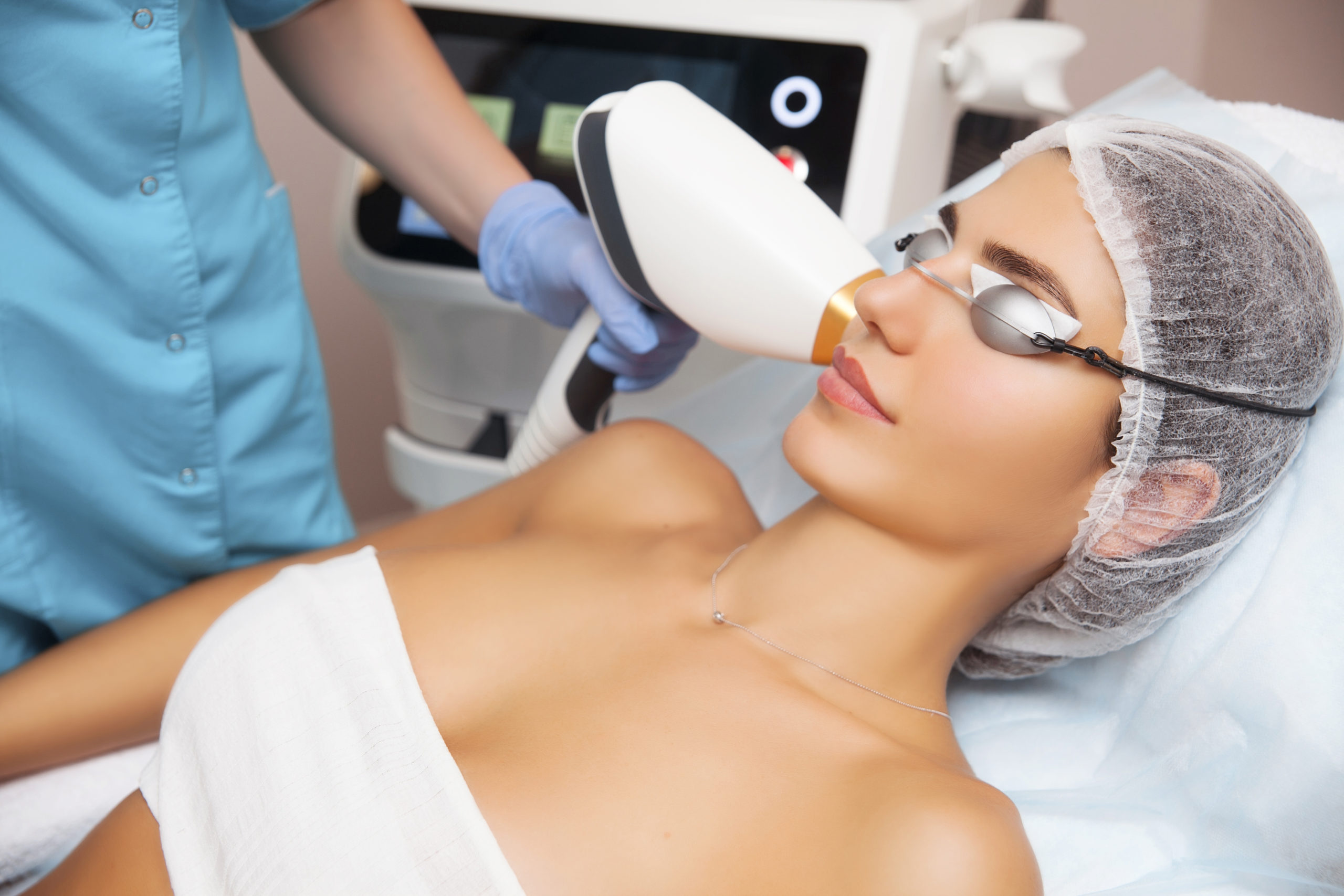
Aesthetic medicine has evolved beyond traditional injectables and laser treatments. Regenerative aesthetics represents a shift toward harnessing the body’s natural healing mechanisms to address signs of aging at a cellular level. Platelet-rich plasma (PRP) and stem cell treatments have emerged as promising options for patients seeking natural anti-aging solutions.
These treatments stimulate collagen production, improve skin texture and promote cellular renewal through the body’s own biological processes. At Sanctuary Medical Aesthetic Center in Boca Raton and Fort Lauderdale, Florida, Dr. Jason Pozner and his team integrate regenerative treatments into comprehensive aesthetic care plans.
Regenerative aesthetics use biological materials derived from your own body to repair and rejuvenate aging skin. Rather than adding foreign substances or relying solely on external treatments, these therapies activate your body’s natural repair mechanisms.
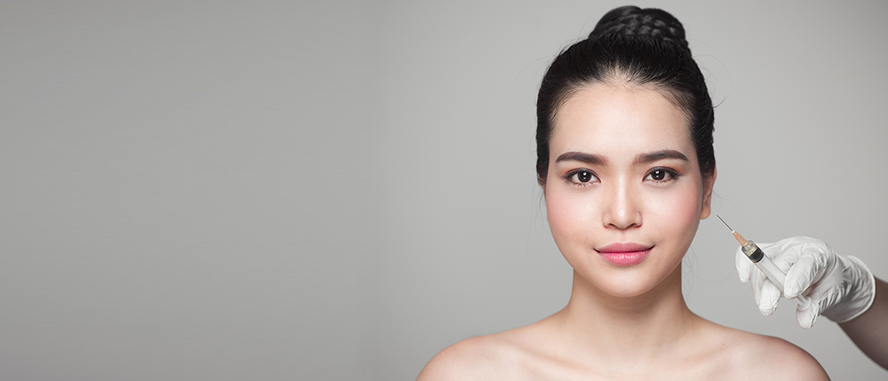
PRP therapy begins by drawing a small amount of your blood, processing it to concentrate the platelets and injecting this platelet-rich plasma back into treatment areas. The platelets release growth factors that trigger tissue regeneration and collagen production. This concentrated formula contains up to 10 times more platelets than normal blood, creating a powerful regenerative effect.
Stem cell treatments in aesthetics typically utilize adipose-derived (fat) stem cells or bone marrow stem cells. These cells differentiate into various cell types and secrete bioactive molecules that promote tissue repair and rejuvenation. Their multipotent nature allows them to adapt to the specific needs of aging tissue.
PRP has gained recognition for addressing multiple signs of aging. The concentrated platelets contain growth factors that stimulate fibroblast activity, leading to increased collagen and elastin production. This process improves skin texture, reduces fine lines and creates a more youthful appearance.
Common treatment areas include the face, neck, décolletage and hands. Many patients combine PRP with microneedling for enhanced results. The microneedling creates controlled micro-injuries that allow the PRP to penetrate deeper while simultaneously triggering the body’s wound-healing response. This combination approach often produces more dramatic improvements in skin quality and texture.
Results develop gradually over several weeks as collagen remodeling occurs. Most patients undergo a series of three or four treatments spaced several weeks apart for optimal outcomes. The gradual improvement timeline means results appear natural rather than sudden or obvious.
PRP therapy has also proven effective for treating hair loss and thinning. When injected into the scalp, the growth factors in platelet-rich plasma stimulate dormant hair follicles and promote new hair growth. This treatment can help patients experiencing androgenetic alopecia, thinning hair or hair loss related to aging. Many patients seek PRP specifically for hair restoration, as it offers a natural alternative to medications or surgical hair transplants. Results typically become visible after three to four monthly treatments, with continued improvement over the following months.
Stem cell therapy represents an advanced approach to facial rejuvenation. Adipose-derived stem cells are typically harvested through a minor liposuction procedure, then processed and reinjected into facial areas showing signs of aging.
These stem cells release growth factors and cytokines that promote tissue regeneration. They help restore volume, improve skin quality and address texture concerns. The treatment may be combined with fat grafting for facial volumization, providing both structural support and regenerative benefits.
Stem cell treatments address deeper signs of aging compared to traditional fillers. The regenerative properties may provide longer-lasting results by improving tissue quality rather than simply filling space. Unlike synthetic fillers that eventually dissolve, stem cell therapy works to regenerate your own tissue for more sustainable outcomes.
Regenerative treatments offer several advantages for patients concerned about natural-looking results. Since these therapies use your own biological materials, the risk of allergic reactions or rejection is minimal. This biocompatibility makes them safe options for patients with sensitivities to synthetic products.
Results develop gradually, creating subtle improvements that appear natural. Friends and family may notice you look refreshed without being able to pinpoint exactly what changed. This subtlety appeals to patients who want rejuvenation without an obvious “done” appearance.
These treatments can be particularly beneficial for South Florida residents who spend significant time outdoors. Sun exposure accelerates skin aging, and regenerative therapies help counteract photodamage by promoting cellular repair and renewal. The treatments work from within to strengthen skin’s resilience against environmental stressors.
Regenerative aesthetics also complement other treatments. Many patients combine PRP or stem cell therapy with laser treatments, chemical peels or neuromodulators for comprehensive rejuvenation.
Ideal candidates for regenerative aesthetics are adults in good health who want to address early to moderate signs of aging. These treatments work best for patients with realistic expectations about gradual, natural-looking improvements.
PRP therapy is appropriate for patients with mild to moderate skin laxity, fine lines and texture concerns. It’s particularly effective for improving skin quality and promoting a healthy glow. Patients with sun damage, acne scarring or uneven skin tone often see significant improvements.
Stem cell treatments may be better suited for patients with more advanced aging signs who want volumization along with tissue rejuvenation. A consultation with a qualified provider can help determine which approach aligns with your goals. Age, skin condition and treatment objectives all factor into the decision.
Patients should be willing to commit to a treatment series, as regenerative aesthetics typically require multiple sessions for optimal results. Maintenance treatments may be recommended annually or semi-annually to sustain improvements over time.
Sanctuary Medical Aesthetic Center brings cutting-edge regenerative treatments to Boca Raton and Fort Lauderdale. As South Florida’s largest laser facility, we combine advanced technology with expert medical care under the direction of board-certified plastic surgeon Dr. Jason Pozner.
Our team takes a comprehensive approach to aesthetic medicine, creating individualized treatment plans that address your specific concerns. We combine regenerative therapies with our full range of services to help you achieve natural, long-lasting results.
Call (561) 247-2958 to schedule a consultation at our Boca Raton or Fort Lauderdale location. Discover how regenerative aesthetics can help you look and feel your best.
PRP results typically last 12 to 18 months. The longevity depends on factors including age, lifestyle, skincare routine and sun exposure. Maintenance treatments can help sustain results over time.
Most patients experience minimal downtime. PRP treatments may cause mild redness and swelling for 24 to 48 hours. Stem cell treatments may involve slightly longer recovery depending on the harvesting method used.
The U.S. Food and Drug Administration regulates these treatments under specific guidelines. PRP using autologous blood is considered a medical procedure. Stem cell treatments must follow FDA regulations regarding minimal manipulation and same-surgical-procedure use.
Cost varies based on treatment type, area size and number of sessions needed. PRP typically ranges from $600 to $1,500 per session. Stem cell treatments generally cost more due to the harvesting and processing involved. A consultation provides accurate pricing for your specific treatment plan.


The clean beauty movement has changed how we approach skincare, demanding transparency and sustainability from brands. But here’s the problem: many consumers find that their clean products look great on the label yet fail to deliver visible results. Fortunately, you don’t have to choose between clean formulations and clinical effectiveness anymore.
Patients at Sanctuary Medical Aesthetic Center in Boca Raton and Fort Lauderdale often ask about skincare that matches their health values without sacrificing results. The solution comes down to science-backed clean formulations with proper concentration levels that actually penetrate your skin.
Clean beauty means formulating products without ingredients linked to health risks or environmental harm. You won’t find parabens, phthalates, synthetic fragrances, sulfates, or questionable preservatives in these formulations. But true clean beauty goes deeper than avoiding certain ingredients.
Sustainable skincare looks at a product’s full journey, from how ingredients are sourced to what happens after you toss the empty bottle. Companies serious about clean beauty source ingredients ethically, reduce water waste during manufacturing, choose recyclable or biodegradable packaging, and keep their supply chains transparent. Some pursue third-party certifications like Leaping Bunny for cruelty-free standards or B Corporation status to verify their environmental and social commitments.
Here’s where it gets tricky: removing certain synthetic ingredients can weaken a product’s stability or performance. Medical-grade formulations solve this problem through advanced delivery systems and carefully chosen active ingredients that keep products both safe and effective.
Medical-grade skincare contains higher concentrations of active ingredients than what you’ll find at department stores or drugstores. These products go through rigorous testing and are sold only through licensed medical professionals who evaluate your specific skin needs before recommending anything.
“Medical-grade” means pharmaceutical manufacturing standards apply. Products maintain consistent potency batch after batch, penetrate deeper skin layers reliably, and have clinical studies proving they work. Take vitamin C serums: medical-grade versions use stabilized L-ascorbic acid at concentrations scientifically proven to increase collagen and fade dark spots.
Bioavailability makes all the difference. Molecular size and formulation technology determine whether active ingredients actually reach the dermis where cellular changes happen. A 20 percent glycolic acid peel at a medical spa produces far stronger results than a 10 percent glycolic cleanser from a retail store because of how deeply it works.
Professional guidance protects your skin. Dermatologists and medical aestheticians examine your skin type, current concerns, and sensitivities before suggesting products. This prevents irritation and helps you build a routine where products complement each other instead of fighting against your skin.
Real innovation happens where clean beauty meets medical-grade science. Botanical extracts with proven activity, plant stem cell-derived growth factors, and biomimetic peptides show that effective ingredients don’t have to be synthetic.
Bakuchiol works like retinol but causes less irritation. Hyaluronic acid naturally exists in your body and can hydrate at different molecular weights depending on formulation. Niacinamide calms inflammation while strengthening your moisture barrier. These ingredients pass both clean beauty standards and clinical performance tests.
Medical aestheticians analyze your skin and suggest products that honor your preference for clean ingredients while delivering real results. This targeted approach saves you from wasting money on products that don’t work for your skin. Your pH balance, barrier function, and particular concerns guide every recommendation.
In-office treatments speed up what your clean skincare routine can accomplish. Genius RF Microneedling triggers natural collagen production by creating tiny, controlled injuries that activate your healing response. This builds a stronger foundation for your topical products to work on.
Laser treatments tackle hyperpigmentation, sun damage, and texture problems without chemical interventions. Once professional procedures improve your baseline skin quality, your clean products absorb better and perform more effectively. Combining in-office care with your home routine creates results neither approach delivers on its own.
Persistent issues like acne or melasma respond better when you pair medical-grade clean skincare with targeted dermatology services. Board-certified dermatologists prescribe treatments aligned with your values that actually solve your concerns.
Your body’s condition affects your skin too. Treatments like EMSCULPT NEO boost circulation and lymphatic drainage, supporting skin health from within. Improved blood flow delivers more oxygen and nutrients to skin cells while carrying away cellular waste more efficiently.
At Sanctuary Medical Aesthetic Center, we recognize that your skincare approach reflects your values. Our board-certified plastic surgeons, dermatologists, and medical aestheticians build customized regimens that honor your commitment to clean beauty while producing medical-grade outcomes.
Schedule a consultation at our Boca Raton or Fort Lauderdale location to explore sustainable skincare backed by clinical research. Call 561-247-2958 or book online to begin working with products that match your standards and expectations.
Medical-grade products pack higher concentrations of active ingredients and follow pharmaceutical manufacturing standards. Licensed medical professionals sell them exclusively after evaluating whether the products suit your skin and concerns. Clinical studies back up their effectiveness claims, and they penetrate much deeper than drugstore alternatives.
Plenty of natural ingredients produce excellent results when formulated correctly. Botanical extracts, plant-derived peptides, and naturally occurring acids work well at the right concentrations. What matters is stability and delivery mechanism. Medical-grade clean products use sophisticated technology to keep natural actives potent and get them into the skin layers where they can create change.
Most people see smoother texture and better radiance after four to six weeks of consistent use. Bigger improvements like faded dark spots or softened lines usually show up around the 12-week mark. Professional treatments can speed this timeline. Your medical aesthetician will set realistic expectations based on what concerns you most and explain how your skin’s natural turnover affects results.

Your skincare routine might include serums, moisturizers and professional treatments, but healthy skin starts within. What you eat and how well your digestive system functions has a direct impact on your complexion.
At Sanctuary Medical Aesthetic Center in Boca Raton and Fort Lauderdale, we take a comprehensive approach to skin health. Our board-certified dermatologists know that lasting results require addressing both internal and external factors.
Your digestive system and skin communicate through what scientists call the gut-skin axis. An imbalanced gut microbiome triggers inflammation that travels throughout your body. Your skin shows this inflammation through acne, eczema, rosacea or premature aging.
About 70 percent of your immune system lives in your gut. Poor digestive health leads to increased inflammation, hormonal disruptions and impaired nutrient absorption. All of these problems show up on your face.
Trillions of bacteria in your digestive tract regulate inflammation, produce vitamins and maintain your skin’s protective barrier. Harmful bacteria outnumber the beneficial ones, inflammation increases and skin problems appear.
Digestive issues and gut microbiome imbalances link directly to several skin conditions.
People with acne frequently have different gut bacteria than those with clear skin. Inflammation from poor gut health triggers excess oil production and clogs pores. Studies confirm this connection repeatedly.
Rosacea creates facial redness and visible blood vessels. Many rosacea patients also have small intestinal bacterial overgrowth. Fix the digestive issues, and facial redness often improves significantly.
Eczema responds well to gut health improvements. Probiotics and dietary changes reduce flare-ups because the connection runs deep. Chronic inflammation breaks down collagen and elastin, creating fine lines, wrinkles and sagging skin faster than normal aging would.
Your diet affects your appearance. Specific nutrients maintain clear, youthful skin.
Salmon, sardines, walnuts and flaxseeds contain omega-3 fatty acids that reduce inflammation. These fats support your skin’s natural oil barrier and prevent dryness.
Berries, dark leafy greens and green tea protect against free radical damage. Vitamins C and E drive collagen production and skin repair. Bell peppers, carrots and sweet potatoes provide beta-carotene. Your body converts this into vitamin A for cell turnover.
Yogurt, kefir, sauerkraut and kimchi supply beneficial bacteria. These probiotics reduce inflammation and improve nutrient absorption. Garlic, onions, asparagus and bananas feed your good gut bacteria.
Pumpkin seeds, chickpeas and grass-fed beef provide zinc. This mineral regulates oil production and calms acne inflammation. Water remains the simplest solution. It flushes toxins and keeps skin cells hydrated.
Some foods create skin problems. High-sugar diets spike insulin, increasing inflammation and causing breakouts. Sugar damages collagen through glycation, which speeds up visible aging.
Processed foods disrupt gut bacteria with inflammatory ingredients. Trans fats, artificial additives and excess sodium all harm your skin.
Alcohol dehydrates skin and depletes vitamin A. Poor sleep from drinking prevents overnight skin repair. Milk and other dairy products trigger acne in some people because of naturally occurring hormones.
Nutrition and gut health create the foundation, but professional treatments amplify results. Sanctuary Medical Aesthetic Center offers solutions that work from the inside out.
Our medical dermatology services treat skin conditions connected to gut health. Board-certified dermatologists identify and treat acne, rosacea and inflammatory conditions with targeted therapies.
Persistent skin concerns respond to treatments like laser therapies that complement nutritional improvements. These treatments resurface skin, reduce inflammation and stimulate collagen production.
The experienced team at Sanctuary Medical Aesthetic Center in Boca Raton and Fort Lauderdale can develop a personalized plan addressing gut health, nutrition and professional treatments.
Board-certified plastic surgeons, dermatologists, physician assistants and medical aestheticians collaborate to create comprehensive solutions. Schedule your consultation today to achieve your healthiest, most radiant skin.
Most people notice changes within four to six weeks of dietary improvements. This timeline varies based on skin concern severity and your body’s healing capacity. Consistent adherence to a gut-friendly diet produces the best long-term results.
Research supports probiotics for acne management. Studies show certain strains of beneficial bacteria reduce inflammation and improve skin barrier function. Probiotics work best combined with a balanced diet and appropriate skincare treatments.
Work with a healthcare provider to identify sensitivities rather than eliminating entire food groups without guidance. Common triggers include dairy, high-glycemic foods and excessive sugar, but everyone responds differently. A food diary helps identify your personal triggers.
Gut health plays a significant role in how skin ages. Chronic inflammation from poor digestive health accelerates collagen breakdown and reduces your skin’s repair ability. Supporting gut health through nutrition maintains a more youthful appearance over time.
Aesthetic medicine has moved beyond the single-procedure model. Patients now expect comprehensive solutions that address multiple concerns in coordinated treatment plans. Combination therapy protocols pair different aesthetic technologies to target various aspects of aging and body composition at the same time. Dr. Jason Pozner and his team at Sanctuary Medical Aesthetic Center in Boca Raton and Fort Lauderdale, Fla., design these multi-modal approaches to produce outcomes that surpass what any standalone treatment can deliver.
Pairing two or more aesthetic procedures lets practitioners tackle multiple concerns simultaneously. This matters because aging and body composition problems don’t happen in isolation. Someone wanting facial rejuvenation might need neuromodulators for dynamic wrinkles plus dermal fillers for lost volume. These treatments work together to create natural, lasting results neither could achieve alone.
South Florida’s largest laser facility has built these integrated plans around an extensive technology arsenal and deep medical expertise. Solutions range across skin texture improvement, fat reduction, muscle building and facial rejuvenation through strategically timed protocols.
Success with combination therapy depends on knowing which technologies affect which tissue layers. Chemical peels treat the epidermis at the surface. Radiofrequency devices reach deeper dermal layers. Body contouring technologies might focus on fat cells, muscle tissue or loose skin. Smart protocols address several layers to produce real transformation.
A single treatment typically handles just one problem. You can reduce fat, but that won’t tighten saggy skin. Building muscle doesn’t eliminate stubborn fat pockets. Combining modalities means targeting multiple tissue depths and different aging processes together.
Different technologies trigger distinct biological responses. CoolSculpting ELITE destroys fat cells through controlled freezing. EMSCULPT NEO builds muscle with electromagnetic energy. Used together, they reshape the body far more effectively.
When you schedule these treatments matters just as much as which ones you choose. Some work best done together. Others need careful spacing. Sanctuary Medical factors in healing windows, how cells respond and the right gaps between procedures. Getting these details right produces maximum results with minimal recovery time.
This protocol combines Botox with dermal fillers and laser resurfacing. Botox handles the muscles creating wrinkles around eyes and forehead. Fillers bring back volume in cheeks, under-eyes and lips. Candela and Sciton lasers tackle texture problems, brown spots and fine lines. The result looks refreshed but natural, not overdone.
Patients with acne scars or rough texture can add Genius RF Microneedling. The radiofrequency goes deep to trigger collagen growth while tiny needles create micro-injuries that jumpstart healing. This pairing works well when both surface flaws and structural issues need attention.
Most patients start with injectables for immediate improvements to volume and wrinkles. Laser treatments follow four to six weeks later after injectable results stabilize. This sequencing lets the practitioner evaluate facial proportions before adding resurfacing work.
The Body Work program at Sanctuary Medical demonstrates how effective pairing complementary technologies can be. Several packages match treatments strategically. Freeze & Slim pairs CoolSculpting ELITE to eliminate fat with VelaShape to smooth cellulite and tighten skin. Fat cells get destroyed while skin quality improves.
Pairing EMSCULPT NEO with CoolSculpting ELITE has become another popular choice. EMSCULPT NEO burns fat and builds muscle using high-intensity electromagnetic technology. CoolSculpting ELITE freezes fat cells until they die. The abdomen, buttocks and thighs show both muscle definition and slimming.
Target & Tweak gives patients 30 percent off VelaShape when they buy CoolSculpting ELITE. This tackles fat deposits and skin dimpling together since these problems usually occur in the same spots. CoolSculpting sessions come first, then VelaShape smooths and firms as the fat reduction shows up.
Different laser wavelengths can treat various skin problems in one coordinated plan. Sanctuary Medical’s laser collection lets patients address broken capillaries, dark spots, rough patches and uneven color through timed sessions. Spacing allows healing between treatments without losing momentum.
Doctors frequently combine ablative lasers that strip away damaged surface layers with non-ablative devices that boost collagen without breaking the skin barrier. This produces quick visible changes plus gradual improvements over months. Sun damage, age spots and texture irregularities respond particularly well to these multi-laser plans.
Sanctuary Medical Aesthetic Center builds combination therapy protocols around your specific concerns and goals. During a complimentary consultation, Dr. Pozner and his team of board-certified physicians, physician assistants and medical aestheticians assess your needs and suggest the best multi-modal strategy. The Boca Raton and Fort Lauderdale, Fla., practice brings cutting-edge technology and skilled care to patients across South Florida. Schedule your free consultation today to learn how combination treatments can produce the dramatic changes you want.
Yes, when qualified medical professionals perform them. Sanctuary Medical’s team reviews each patient’s health history, past treatments and objectives before creating combination protocols. Treatments get spaced properly and patients receive monitoring throughout to maintain safety.
Costs depend on which treatments get combined and how many sessions you need. Combination packages often cost less than buying individual treatments separately. Sanctuary Medical has several pre-designed packages at reduced rates and can build custom combinations within your budget.
Timelines vary by the treatments in your protocol. Injectables show results within days to two weeks. Body contouring takes two to three months as your body eliminates treated fat cells and builds muscle. Laser and RF treatments improve gradually over several weeks while collagen production ramps up.
Yes. Many patients pair surgical work like liposuction with non-surgical skin tightening for fuller results. Dr. Pozner routinely creates protocols blending his surgical skills with the practice’s broad non-invasive technology options.

GLP-1 medications like Ozempic and Wegovy have transformed weight loss for millions of people. These drugs excel at helping patients lose weight, but rapid fat reduction brings an unexpected consequence: dramatic changes to skin and facial appearance. Knowing what to expect and which aesthetic treatments can help means you can maintain a youthful look throughout your weight loss journey.
GLP-1 receptor agonists were created to treat Type 2 diabetes but quickly gained popularity for weight management. They regulate appetite, slow digestion and help control blood sugar. Patients commonly lose 15% to 20% of body weight within a year.
This weight loss delivers real health benefits, but the pace leaves skin struggling to keep up. Fat disappears from areas where it once provided volume and structure to the face. When fat diminishes, skin that stretched over fuller features can look loose, hollow or saggy. Natural collagen and elastin production slows with age, making it harder for skin to contract after major fat loss.
Doctors and patients describe facial changes from GLP-1 weight loss as “Ozempic face.” Common signs include:
Youthful fullness fades because subcutaneous fat just beneath the skin disappears along with deeper deposits. Patients in their 40s and older often struggle more since reduced elasticity prevents tissues from bouncing back. Many end up looking gaunt or older than they feel.
GLP-1 volume loss extends past facial features. Patients frequently notice loose, crepey skin on their neck and décolletage, upper arms, abdomen and flanks, inner thighs and buttocks.
These areas develop a deflated look as skin fails to contract after fat reduction. The neck is especially vulnerable because skin there is thinner and more delicate. Severity varies based on age, genetics, total weight lost and loss speed. Younger patients with better elasticity typically see less dramatic changes than older patients who’ve already lost collagen density.
Modern aesthetic medicine offers several ways to restore volume and tighten skin after GLP-1 weight loss. A customized plan addresses specific concerns while keeping results natural.
Injectable dermal fillers rank among the best tools for restoring facial volume. Hyaluronic acid fillers replenish lost volume in cheeks, temples, under-eyes and nasolabial folds. Results appear immediately and can be tailored precisely to your needs.
A full-face rejuvenation works best for significant volume loss. Filler placed strategically in multiple areas restores natural contours and proportions. Treatment takes 30 to 60 minutes with minimal downtime. Results show up right away and improve over the next few days as minor swelling fades.
Laser treatments and radiofrequency devices stimulate collagen production and tighten loose skin on face and body. These noninvasive procedures heat deeper skin layers, triggering natural healing.
Genius RF microneedling combines radiofrequency energy with microneedling to improve texture, reduce fine lines and promote collagen. Optimal results typically require three to four sessions spaced four to six weeks apart. Improvements continue for several months after treatment.
Combining treatments addresses different aspects of volume loss. Dermal fillers restore facial volume while lasers tighten neck and body skin. This comprehensive strategy tackles both structural loss and laxity for more dramatic results.
Patients sometimes add Botox to smooth dynamic wrinkles or VelaShape to improve body skin texture. A consultation with an experienced provider determines which combination works best. Treatment plans can be spread over months to manage costs and let your body respond to each procedure.
At Sanctuary Medical Aesthetic Center in Boca Raton and Fort Lauderdale, Florida, our team knows the challenges GLP-1 weight loss patients face. Dr. Jason Pozner and his staff design personalized plans that restore volume and refresh appearance while keeping results natural.
South Florida’s largest laser facility offers the most advanced aesthetic treatments available. Our board-certified providers evaluate your concerns and recommend the right treatment combination for your goals.
Call (561) 247-2958 to schedule your consultation and learn how we can help you look as good as you feel after weight loss.
Most dermatologists recommend waiting until your weight stabilizes before pursuing treatments like fillers. This typically occurs several months after reaching your goal weight. Treating too early may require additional adjustments as you continue losing weight.
Dermal fillers provide temporary results that typically last six to 18 months, depending on the product used and treatment area. Many patients schedule maintenance appointments to preserve their results over time.
While treatments cannot prevent volume loss during weight loss, starting a skincare regimen early and staying hydrated can help maintain skin health. Once you reach your goal weight, aesthetic treatments can effectively address any changes that occurred.
Not necessarily. Many patients achieve excellent results with noninvasive or minimally invasive treatments. A consultation with an experienced provider can determine which approach best suits your needs and goals.

Fuller, well-defined lips have become one of the most sought-after aesthetic treatments in modern cosmetic medicine. The popularity of lip enhancement procedures has surged as patients seek subtle improvements that complement their natural features rather than creating dramatic transformations.
At Sanctuary Medical Aesthetic Center in Boca Raton and Fort Lauderdale, our board-certified professionals understand that successful lip enhancement requires both artistic vision and technical expertise. The goal is to create results that look naturally beautiful while maintaining facial harmony.
The lips consist of complex anatomical structures that require careful consideration during treatment. The upper and lower lips each have distinct characteristics that influence how fillers should be applied. The vermillion border creates the sharp transition between lip tissue and facial skin, while the cupid’s bow defines the curved upper lip boundary. The philtrum columns frame the central lip area and contribute to facial symmetry.
Natural lip proportions typically follow the golden ratio, where the lower lip should be approximately 1.6 times fuller than the upper lip. However, individual facial features and patient preferences must guide treatment decisions rather than strict adherence to mathematical formulas. Age-related volume loss, genetic factors and previous treatments all influence the approach to lip enhancement.
The relationship between lip size and other facial features affects perceived attractiveness and harmony. Practitioners must consider chin projection, nose shape and facial width when planning lip enhancement procedures. This comprehensive approach helps achieve results that appear naturally proportionate.
Hyaluronic acid-based fillers remain the gold standard for lip enhancement procedures. These products offer several advantages, including reversibility, natural integration with tissue and the ability to attract moisture for long-lasting hydration. The molecular structure of hyaluronic acid allows it to bind water molecules, creating subtle volume while maintaining soft, natural movement.
Different filler formulations provide varying levels of lift, projection and longevity. Softer formulations work well for subtle volume additions and hydration, while firmer products can create more dramatic structural changes. Ultra-smooth gels integrate seamlessly with lip tissue, while slightly firmer options provide better structural support for reshaping.
The choice of filler depends on the patient’s anatomy, desired outcome and treatment goals. First-time patients often benefit from softer formulations that allow for gradual improvement over multiple sessions. Patients seeking more dramatic results may require firmer products with greater lifting capacity.
A thorough consultation forms the foundation of successful lip enhancement. During this appointment, practitioners assess facial proportions, discuss patient expectations and develop a customized treatment plan. The consultation includes evaluation of existing lip volume, symmetry, skin quality and healing history.
Photography and detailed measurements help document baseline appearance and track progress over time. Multiple angles capture the lips at rest and during animation, providing valuable reference points for treatment planning. Digital imaging may help patients visualize potential outcomes and make informed decisions.
Patients should feel comfortable discussing their concerns and desired outcomes during this consultation phase. Medical history review identifies potential contraindications or factors that may affect healing. Previous cosmetic treatments, allergies and medications all influence treatment recommendations.
Modern injection techniques focus on creating natural-looking results through precise product placement. The micro-droplet technique involves placing small amounts of filler throughout the lips rather than concentrating large volumes in specific areas. This method allows for more even distribution and gradual building of volume.
Linear threading and cross-hatching methods allow for even distribution of product while maintaining natural lip movement. These techniques help prevent the overfilled appearance that was common with earlier lip enhancement procedures. The threading approach creates structural support while preserving lip flexibility during speaking and eating.
Cannula-based injections have gained popularity for their ability to reduce bruising and swelling while providing smooth, even results. The blunt-tip cannula allows practitioners to treat larger areas with fewer entry points, minimizing trauma to surrounding tissues. This technique particularly benefits patients with sensitive skin or those prone to bruising.
Realistic expectations are vital for patient satisfaction with lip enhancement procedures. Initial results may appear more pronounced due to swelling, which typically subsides within 24 to 48 hours. Final results become apparent after approximately two weeks when any residual swelling has resolved and the filler has settled into its final position.
Most patients require touch-up appointments two to four weeks after their initial treatment to fine-tune results and address any asymmetries. This staged approach allows for gradual improvement while maintaining natural appearance. The conservative initial treatment philosophy helps prevent overcorrection and allows for adjustments based on healing patterns.
Communication throughout the process helps maintain realistic expectations and patient satisfaction. Before-and-after photos from similar cases can help patients understand typical outcomes. Setting clear timelines for results and follow-up appointments prevents disappointment and anxiety during the healing process.
Proper aftercare significantly impacts treatment outcomes and recovery time. Patients should avoid strenuous exercise, excessive heat exposure and alcohol consumption for 24 hours following treatment. These activities can increase blood flow and potentially worsen swelling or bruising at injection sites.
Ice application can help minimize swelling and discomfort during the first few hours after treatment. However, ice should be applied gently to avoid shifting the newly placed filler. Sleeping with the head elevated for the first night can also help reduce morning swelling.
Gentle lip massage may be recommended to distribute product evenly and prevent lumps from forming. The technique and timing of massage should follow practitioner instructions, as improper manipulation can affect results. Patients should avoid wearing lipstick or lip products for at least 12 hours to prevent infection at injection sites.
While lip enhancement with dermal fillers is generally safe when performed by qualified practitioners, potential complications can occur. These may include asymmetry, overcorrection, vascular compromise or allergic reactions. Understanding these risks helps patients make informed decisions about treatment.
Vascular compromise represents the most serious potential complication, though it remains extremely rare when proper techniques are used. Signs include unusual blanching, severe pain or tissue color changes. Immediate recognition and treatment are essential for preventing permanent complications.
Choosing an experienced injector who understands facial anatomy significantly reduces complication risks. Board-certified plastic surgeons and dermatologists possess the training and expertise necessary to handle both routine treatments and emergency situations. Their knowledge of facial blood supply and tissue anatomy helps prevent complications before they occur.
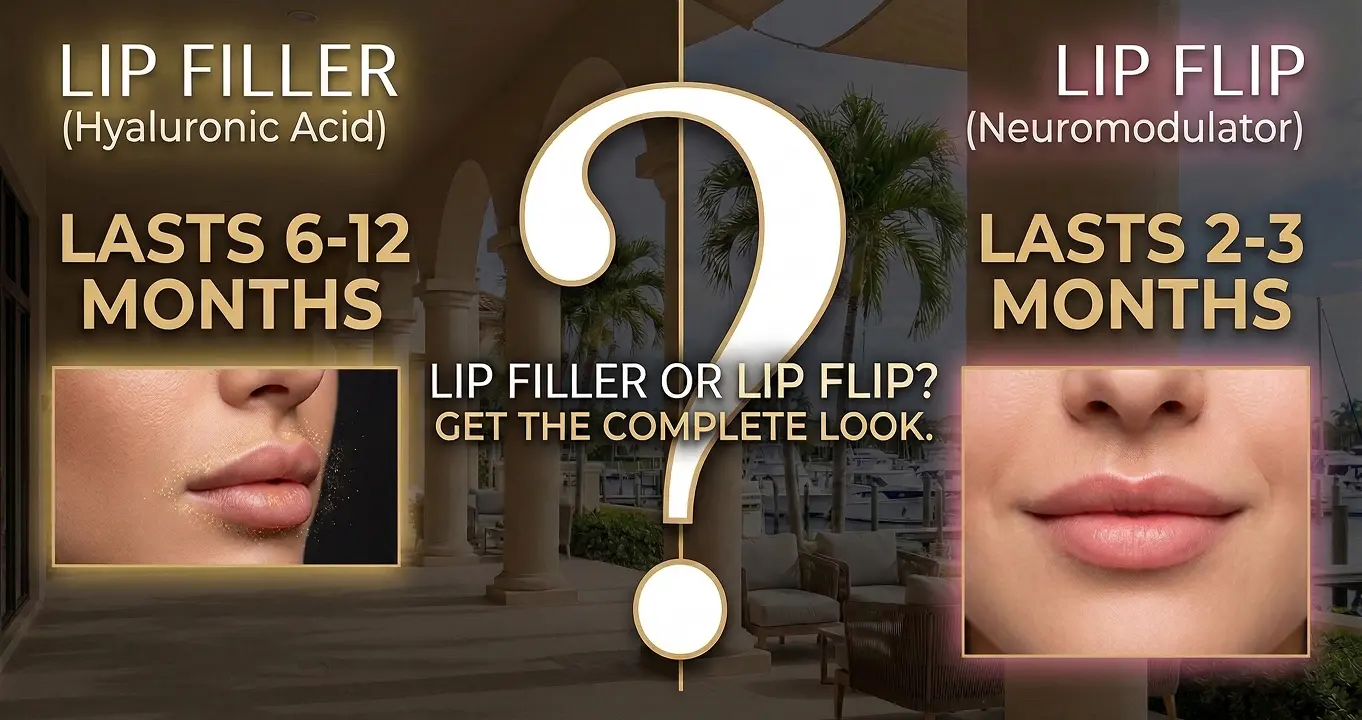
Hyaluronic acid fillers typically last six to 12 months in the lip area due to the high degree of movement and metabolism in this region. Factors affecting longevity include individual metabolism, lifestyle habits and the specific product used. Patients with active lifestyles or faster metabolisms may require more frequent touch-ups.
Regular maintenance appointments help preserve results and allow for gradual improvements over time. Some patients prefer to schedule touch-up treatments before their results completely fade, maintaining consistent lip volume and shape. This approach often requires less product and provides more predictable outcomes.
Building a long-term relationship with a skilled practitioner allows for refinement of technique and better understanding of individual response patterns. Consistent care providers can track changes over time and adjust treatment approaches accordingly. This continuity often leads to better outcomes and higher patient satisfaction.
Ready to achieve naturally beautiful lips that complement your facial features? The expert team at Sanctuary Medical Aesthetic Center combines artistic vision with advanced techniques to deliver exceptional results. Our board-certified professionals will work with you to develop a personalized treatment plan that meets your aesthetic goals.
Lip enhancement pairs beautifully with our other facial rejuvenation services. Consider combining your lip treatment with BOTOX® Cosmetic for comprehensive facial renewal, or explore our innovative HydraFacial® treatments for improved skin texture and glow.
Schedule your consultation today by calling (561) 247-2958 or visiting our Boca Raton or Fort Lauderdale locations. Take the first step toward achieving the natural-looking lip enhancement you’ve been dreaming of.
Most patients can expect their lip filler results to last between six to 12 months. The longevity depends on factors such as the type of filler used, individual metabolism and lifestyle factors. Regular maintenance appointments help preserve optimal results.
Most patients experience minimal discomfort during lip enhancement procedures. Topical numbing cream is applied before treatment, and many fillers contain lidocaine for additional comfort. Any discomfort typically subsides quickly after the procedure.
Yes, when performed by skilled practitioners using appropriate techniques and products, lip fillers can create very natural-looking results. The key is choosing an experienced injector who understands facial anatomy and aesthetic proportions.
Avoid strenuous exercise, excessive heat exposure, alcohol consumption and wearing lipstick for 24 hours after treatment. Following post-care instructions helps minimize swelling and optimize results.
While generally safe, potential risks include swelling, bruising, asymmetry, infection or vascular complications. Choosing a qualified, experienced practitioner significantly reduces these risks and provides access to proper emergency care if needed.

Melasma and sun damage create some of the most persistent pigmentation challenges that dermatologists encounter. These conditions affect millions of people worldwide, with women experiencing melasma at significantly higher rates. Both conditions resist many traditional treatments, leaving patients frustrated with temporary solutions and recurring problems. Advanced laser technologies have transformed treatment outcomes, offering targeted approaches that address pigmentation at its source.
Recent data shows these pigmentation disorders rank among the top cosmetic concerns in dermatology practices. Patients frequently arrive after attempting multiple unsuccessful treatments, seeking definitive solutions that can restore skin clarity and confidence.
Melasma manifests as brown or gray patches, predominantly affecting the face in 90% of women. Hormonal fluctuations during pregnancy, menopause or contraceptive use trigger melanin overproduction. The condition commonly targets the cheeks, forehead, nose and upper lip areas. Genetic factors play a significant role, with family history increasing susceptibility.
The symmetrical presentation of melasma distinguishes it from other hyperpigmentation types. Patches develop gradually, becoming more pronounced during hormonal surges. Many patients notice intensification during pregnancy — earning the nickname “pregnancy mask” — or when starting hormonal therapies.
Sun damage, clinically termed solar lentigines, results from cumulative ultraviolet exposure over decades. These concentrated melanin deposits appear on chronically sun-exposed areas: face, hands, shoulders and chest. Both genders develop age spots equally, with prevalence increasing after age 40.
Childhood and adolescent sun exposure significantly influences adult pigmentation patterns. Spots often emerge suddenly in the 30s and 40s, representing years of accumulated UV damage despite current protection habits.
Standard pigmentation therapies — hydroquinone creams, tretinoin and chemical peels — provide modest improvements requiring months of consistent application. These surface treatments address only epidermal melanin, leaving deeper dermal deposits intact. Many patients experience skin irritation, uneven lightening or disappointing results.
Melasma presents particular challenges due to its dual-layer nature. Surface treatments cannot reach deeper pigment accumulations, limiting their effectiveness. Hormonal triggers remain active during treatment, causing rapid pigment return once therapy stops.
Chemical peels carry risks of post-inflammatory hyperpigmentation, especially in darker skin types or hormonally active patients. This complication can worsen existing pigmentation, creating additional treatment challenges.
Topical treatments also require extensive compliance periods, with visible results taking three to six months. Patient adherence often declines due to slow progress and potential side effects.
Contemporary laser technology targets pigmentation with unprecedented precision. These systems deliver specific light wavelengths that melanin absorbs preferentially, fragmenting pigment particles while preserving surrounding tissue. This selectivity enables effective treatment with minimal collateral damage.
Photothermolysis principles guide laser pigmentation treatment. Light energy converts to controlled heat upon melanin absorption, breaking down pigment structures. The body’s lymphatic system naturally eliminates these fragments over subsequent weeks.
Picosecond technology represents the latest advancement in pigmentation therapy. These devices generate ultra-rapid pulses measured in trillionths of a second, creating photoacoustic rather than thermal effects. This mechanical disruption shatters pigment particles more effectively than traditional heat-based methods.
The photoacoustic mechanism minimizes thermal damage to surrounding tissue, reducing post-inflammatory hyperpigmentation risks. Picosecond lasers excel at treating resistant pigmentation that fails to respond to conventional laser therapy.
Q-switched systems established the foundation for modern pigmentation treatment. Multiple available wavelengths enable customization based on pigment depth and skin characteristics. These versatile platforms can address various pigmentation types during single sessions.
The ability to adjust wavelength parameters makes Q-switched technology particularly valuable for complex melasma cases. Different wavelengths penetrate to varying depths, allowing comprehensive treatment of multi-layered pigmentation patterns.
Fractional laser resurfacing creates controlled micro-injuries that stimulate cellular turnover and collagen production. This approach works especially well for widespread sun damage while simultaneously improving skin texture and fine lines. The fractional pattern treats targeted areas while leaving intervening tissue intact to accelerate healing.
This technique allows more aggressive treatment parameters with reduced recovery compared to full-surface approaches. Patients benefit from comprehensive skin improvement beyond pigmentation correction.
Modern laser therapies offer substantial advantages over traditional methods. Many patients observe visible improvement following initial sessions, though optimal results require treatment series spaced appropriately. Laser precision enables targeted treatment without affecting healthy surrounding skin.
Recovery varies with laser type and treatment intensity. Most patients experience mild redness and swelling resolving within days. Unlike extensive chemical treatments, laser therapy typically requires minimal downtime, allowing immediate return to normal activities.
Long-term results depend on continued sun protection and appropriate maintenance. Many patients maintain clear, even skin tone for years following treatment completion. Success rates consistently exceed traditional therapy outcomes, with patient satisfaction ratings above 85%.
The predictable nature of laser treatment provides realistic expectations and measurable progress throughout the treatment course. Documentation through photography helps track improvements and guide treatment adjustments.
Effective treatment planning requires comprehensive evaluation of pigmentation type, severity, skin characteristics and patient history. Experienced practitioners use specialized imaging tools to assess pigment depth and distribution patterns. This analysis guides appropriate laser selection and treatment parameters.
Combination approaches often yield superior results for complex cases. Sequential treatments with different laser types can address various pigmentation layers comprehensively. Some patients benefit from combining laser therapy with targeted skin treatments designed for specific skin types.
Treatment timing considerations include hormonal cycles for melasma patients and seasonal factors affecting sun exposure. Proper scheduling around work and lifestyle commitments improves treatment adherence and outcomes.
Practitioner expertise significantly influences treatment success. Board-certified dermatologists and plastic surgeons with specialized laser treatment experience achieve more consistent and satisfactory results compared to less experienced providers.
Don’t let melasma and sun damage control your confidence any longer. At Sanctuary Medical Aesthetic Center in Boca Raton and Fort Lauderdale, our team of board-certified professionals specializes in advanced laser treatments for pigmentation disorders.
With access to the latest laser technology and personalized treatment plans, we can help you achieve the clear, even-toned skin you deserve. Contact us today to schedule your consultation and discover how our advanced laser solutions can transform your skin.
Most patients with melasma require three to six laser sessions spaced four to six weeks apart for optimal results. The exact number depends on the severity of pigmentation and how well your skin responds to treatment.
Modern laser systems can safely treat most skin types, but certain wavelengths and settings are better suited for darker skin tones. A thorough consultation will determine the safest and most effective approach for your specific skin type.
While laser treatments can significantly reduce existing melasma, hormonal changes and sun exposure can trigger new pigmentation. Consistent sun protection and maintenance treatments help prevent recurrence.
Most patients experience mild redness and swelling for two to three days following treatment. Some darkening of treated spots may occur initially before they begin to fade over the following weeks.
With proper sun protection and skincare maintenance, results can last several years. However, new sun damage can develop over time, making ongoing protection and periodic maintenance treatments important for long-term results.

Excessive sweating affects millions of Americans, transforming routine activities into sources of anxiety and embarrassment. Hyperhidrosis, the medical term for this condition, goes far beyond normal perspiration and can dramatically impact quality of life. Advanced treatments like Brella and Botox offer proven solutions for those struggling with this challenging condition.
Unlike typical sweating that occurs during exercise or hot weather, hyperhidrosis causes profuse perspiration even in cool environments or during rest. This medical condition affects both men and women equally and can develop at any age, though it most commonly begins during adolescence or early adulthood.
Hyperhidrosis is a medical condition characterized by excessive sweating that occurs beyond what the body needs for temperature regulation. This condition affects approximately 3% of the population and can manifest in two distinct forms: primary and secondary hyperhidrosis.
Primary hyperhidrosis typically begins in childhood or adolescence and affects specific body areas such as the underarms, palms, feet or face. This form has no underlying medical cause and often runs in families, suggesting a genetic component. The sweating usually occurs symmetrically, affecting both sides of the body equally.
Secondary hyperhidrosis develops later in life and often results from underlying medical conditions such as diabetes, thyroid disorders or menopause. Certain medications, including some antidepressants and blood pressure medications, can also trigger this type of excessive sweating. Unlike primary hyperhidrosis, secondary forms may affect larger body areas and can occur during sleep.
The condition can severely impact daily activities, professional interactions and personal relationships. Many people with hyperhidrosis report avoiding certain clothing colors, social situations or physical contact due to their excessive sweating. The unpredictable nature of sweating episodes adds stress to an already challenging condition.
Living with hyperhidrosis presents numerous challenges that extend beyond physical discomfort. The condition can significantly affect professional life, as sweaty palms during handshakes or visible sweat stains can create awkward situations in business settings. Many sufferers report changing careers or avoiding job opportunities that require public speaking or client interaction.
Social interactions often become sources of intense stress and anxiety. Simple activities like holding hands, dancing or wearing certain fabrics can trigger worry about visible sweating. Dating becomes particularly challenging, as physical intimacy may be avoided due to embarrassment about excessive perspiration.
The financial burden can also be substantial. Many individuals spend considerable money on specialized antiperspirants, frequent dry cleaning, clothing replacements and absorbent products. Some resort to wearing multiple layers or dark-colored clothing exclusively to hide sweat stains.
The psychological impact can be the most devastating aspect of the condition. Many sufferers experience decreased self-confidence, social withdrawal and in some cases, depression or anxiety disorders directly related to their hyperhidrosis. Studies show that people with severe hyperhidrosis report quality-of-life impacts comparable to those with serious chronic illnesses.
Brella represents a breakthrough in hyperhidrosis treatment, offering a noninvasive solution specifically designed for underarm sweating. This innovative system uses a specialized gel patch that targets sweat glands with precision, providing an alternative for patients who prefer needle-free treatments.
The treatment process is straightforward and comfortable. During the appointment, a medical professional applies the Brella patch to clean, dry underarms. The patch remains in place for exactly three minutes, during which the active ingredient penetrates the skin to target overactive sweat glands. The controlled delivery system provides optimal absorption while minimizing skin irritation.
The science behind Brella involves temporarily blocking sweat ducts, reducing the amount of perspiration that reaches the skin’s surface. This targeted approach affects only the treated area, allowing normal sweating to continue in other parts of the body for healthy temperature regulation.
Patients typically see initial results within four weeks of treatment, with maximum effects becoming apparent by six to eight weeks. The results can last six months or longer, making it a convenient option for busy lifestyles. The procedure requires no downtime, allowing patients to return to normal activities immediately after the appointment.
Botox has gained FDA approval for treating severe underarm sweating and represents another highly effective option for hyperhidrosis management. The treatment works by blocking nerve signals that stimulate sweat glands, significantly reducing perspiration in treated areas without affecting the body’s ability to regulate temperature.
During the procedure, small amounts of Botox are injected into the affected area using an ultra-fine needle. The injections are spaced approximately 1 to 2 centimeters apart to provide comprehensive coverage. Most patients require 50 to 100 units of Botox per underarm, depending on the severity of their condition and the size of the treatment area.
The neurotoxin temporarily paralyzes the nerves responsible for activating sweat glands. This process is highly localized, affecting only the treated area while leaving surrounding nerves and muscles unaffected. The precision of modern injection techniques minimizes discomfort and maximizes effectiveness.
Results typically appear within two weeks of treatment and can last six to 12 months. Many patients report a dramatic reduction in sweating, with some experiencing complete dryness in treated areas. The treatment can be repeated as needed to maintain results, and many patients find that subsequent treatments may last longer than initial sessions.
Both Brella and Botox offer significant advantages for hyperhidrosis treatment, but they differ in application methods and patient experience. Brella provides a completely noninvasive option with no injections required, making it ideal for patients who have needle phobia or prefer avoiding injections altogether.
Botox injections, while involving multiple small injections, often provide longer-lasting results and can treat larger areas more effectively. The injection technique allows for precise targeting of the most problematic areas, which can be customized based on each patient’s specific sweating patterns.
Cost considerations may also influence treatment choice. While both options require periodic maintenance treatments, the frequency and expense can vary significantly between patients. Medical providers can help determine which option offers the best value based on individual response and lifestyle needs.
Both options are performed in-office and require minimal time commitment, typically completed within 30 minutes. Neither treatment requires general anesthesia, and both allow patients to resume normal activities immediately. The choice often depends on individual preferences, severity of symptoms and specific treatment goals.
Before any hyperhidrosis treatment, patients undergo a comprehensive consultation to assess their condition and determine the most appropriate treatment approach. Medical providers will review medical history, current medications and specific areas of concern. They may also perform tests to measure baseline sweating levels.
During the consultation, providers will discuss realistic expectations, potential side effects and post-treatment care instructions. They’ll also evaluate patients for suitability for the chosen treatment and address any concerns or questions.
For Brella treatment, the appointment is quick and comfortable. The patch application takes only minutes, and many patients report feeling little to no discomfort during the process. The treatment area is cleaned and dried before patch placement, and patients remain in a comfortable position throughout the brief procedure.
Botox treatments involve multiple small injections, which most patients describe as brief pinching sensations similar to getting a vaccine. Topical numbing cream can be applied 20 to 30 minutes before treatment to minimize discomfort. The actual injection process typically takes 10 to 15 minutes, depending on the treatment area size.
Results from both treatments develop gradually over several weeks, allowing the body to adjust naturally to reduced sweating. Brella patients typically notice initial improvements within four weeks, with maximum results appearing by six to eight weeks post-treatment. Some patients report subtle changes as early as two weeks after application.
Botox results usually become apparent within one to two weeks, with full effects visible by four weeks. The gradual onset allows for natural adaptation and helps provide even results across the treatment area. Peak effectiveness typically occurs around the four- to six-week mark.
Both treatments provide substantial reduction in sweating, with many patients reporting 50% to 90% improvement in their symptoms. The degree of improvement can vary based on factors such as individual body chemistry, severity of the condition and adherence to post-treatment care instructions.
The duration of results varies among individuals, but most patients enjoy six to 12 months of significantly reduced sweating before requiring additional treatment. Many find that subsequent treatments may provide longer-lasting results as the sweat glands adapt to the reduced stimulation over time.
At Sanctuary Medical Aesthetic Center in Boca Raton and Fort Lauderdale, our experienced medical team offers both Brella and Botox treatments for hyperhidrosis. Dr. Jason Pozner and our skilled practitioners understand the profound impact excessive sweating can have on your life and are committed to providing effective, personalized solutions.
Our state-of-the-art facility houses the largest laser center in South Florida, reflecting our commitment to advanced medical technology. We also offer miraDry® treatments for patients seeking a permanent solution to underarm sweating. Schedule your consultation today to discover which treatment option is right for you and take the first step toward a more confident, comfortable life free from the constraints of excessive sweating.
Many insurance plans cover hyperhidrosis treatments when deemed medically necessary. Coverage varies by provider and specific policy terms. Our team can help verify your benefits and explore payment options during your consultation.
Brella treatments typically provide relief for six months or longer, while Botox results generally last six to 12 months. Individual results may vary based on factors such as metabolism, lifestyle and severity of the condition.
Both treatments are well-tolerated with minimal side effects. Brella may cause temporary skin irritation at the application site. Botox injections may result in minor bruising, swelling or temporary muscle weakness in the treatment area.
While both treatments are FDA-approved specifically for underarm hyperhidrosis, Botox can be used off-label for other areas such as palms, feet or face. Your medical provider can discuss treatment options for different body areas during your consultation.
You can resume normal activities immediately after Brella treatment. Following Botox injections, it’s recommended to avoid strenuous exercise for 24 hours to prevent the toxin from spreading to unintended areas.
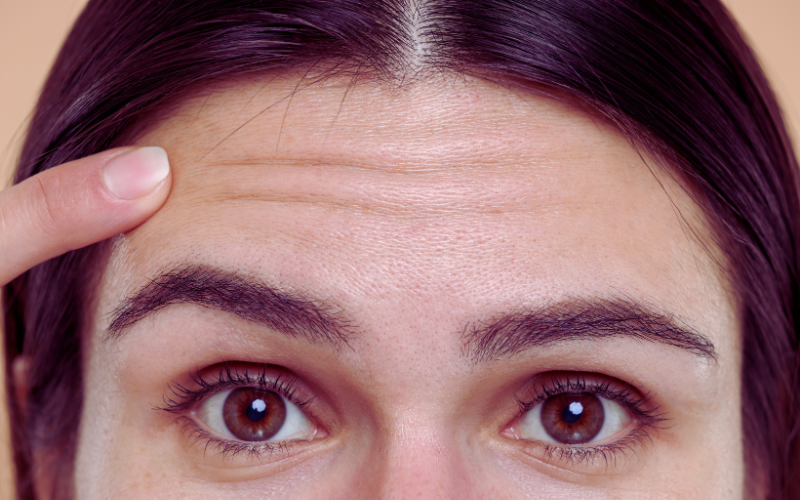
At 40, the mirror reveals changes many hoped would arrive later. Fine lines frame your eyes, facial volume diminishes, and skin texture shifts in ways that catch you off guard. This decade becomes the perfect time to take action with targeted aesthetic treatments that preserve your natural beauty while addressing these emerging concerns.
Your forties often bring career success and personal confidence, creating the ideal moment to invest in treatments that match your achievements. Today’s aesthetic medicine provides effective nonsurgical solutions that fit seamlessly into demanding schedules, delivering results without compromising professional or family commitments.
Your body’s aging timeline accelerates during the forties through predictable biological shifts. Collagen drops by roughly 1% annually after 30, weakening skin structure and flexibility. Meanwhile, hyaluronic acid stores deplete, leaving skin drier and less plump. These molecular changes create the visible signs that prompt many to seek professional help.
Women approaching perimenopause face additional challenges as estrogen levels fluctuate unpredictably. This hormonal turbulence affects skin thickness, moisture levels, and elastin quality. Men experience their own gradual testosterone decline, which slows skin repair and recovery processes.
Decades of environmental exposure compound these internal changes. Sun damage, stress, and lifestyle choices accumulate during this period, making intervention both necessary and effective. Smart timing means addressing existing damage while preventing future deterioration.
Your metabolism also shifts during this decade. Cell renewal slows, and your skin’s natural repair abilities weaken. Professional treatments can jump-start these processes and restore function that time has diminished.
Botox targets the muscle movements that create expression lines, offering both treatment and prevention. At 40, strategic injections smooth existing wrinkles while stopping deeper creases from forming. The treatment temporarily weakens specific facial muscles, allowing overlying skin to relax and soften.
Practitioners commonly treat foreheads, eye corners, glabellar lines, and neck bands. Advanced techniques address smile lines, mouth corners, and hyperhidrosis. Each session requires 15 to 20 minutes with minimal discomfort and immediate return to activities.
Effects persist for three to four months, making maintenance straightforward for busy schedules. Regular patients often extend treatment intervals as muscles adapt to reduced activity patterns over time.
Starting before permanent creases develop yields superior prevention and more natural outcomes. Success depends on finding skilled practitioners who understand facial anatomy and can deliver subtle improvements that look completely natural.
Volume depletion becomes obvious during the forties, especially in cheeks, temples, and tear troughs. Hyaluronic acid fillers replace lost fullness while hydrating tissue from within. Modern injection techniques focus on restoring youthful proportions rather than simply filling individual lines.
Skilled injectors target cheek projection for midface support, soften nasolabial folds, define lip borders, and address under-eye hollowing. Liquid facelifts combine different filler types to achieve comprehensive rejuvenation without surgical intervention.
Hyaluronic acid’s water-binding properties make these products particularly valuable for mature skin. Different viscosities allow customized treatment of various facial zones and specific concerns.
Well-placed fillers last 12 to 18 months depending on product choice and location. Staged approaches work well, addressing different areas across multiple appointments to achieve balanced, natural-looking results.
Laser technology addresses multiple aging concerns through controlled thermal energy. Professional systems can tackle texture problems, pigmentation issues, and skin laxity with customizable settings for individual needs and skin types.
Fractional resurfacing stimulates collagen while smoothing texture, minimizing lines, and shrinking pores. These treatments create controlled micro-wounds that activate healing responses, producing smoother, younger-looking skin over time.
IPL targets brown spots, sun damage, and uneven pigmentation common after decades of exposure. Broad-spectrum light selectively heats melanin clusters, breaking them apart for natural elimination. Multiple sessions optimize results for significant damage.
Skin-tightening lasers heat deeper layers to contract existing collagen and stimulate new formation. These noninvasive procedures gradually improve facial and neck laxity without surgery or extended recovery.

This combination treatment uses microneedles to deliver radiofrequency energy at controlled depths. The Genius system excels at comprehensive skin improvement by addressing surface and structural concerns simultaneously.
Benefits include texture refinement, scar reduction, skin tightening, and pore minimization. Radiofrequency creates precise thermal zones that stimulate robust collagen production without surface damage.
The procedure creates tiny channels while delivering energy through insulated needles. This approach maximizes collagen response while minimizing trauma and downtime. Most patients experience mild redness lasting 24 to 48 hours.
Improvements continue for months as new collagen develops and matures. Initial changes appear within weeks, with peak results at three to six months. Annual treatments maintain ongoing skin quality improvements.
Hormonal shifts and metabolic changes during the forties often create stubborn fat deposits that resist traditional weight loss methods. Modern body contouring provides nonsurgical alternatives without surgical risks or lengthy recoveries.
This FDA-approved technology eliminates fat cells through controlled cooling in a process called cryolipolysis. The Elite system treats multiple areas simultaneously, cutting treatment time in half while maintaining safety and effectiveness.
Popular zones include abdomen, flanks, arms, thighs, and submental areas. Specialized applicators deliver precise temperatures that crystallize fat cells without harming surrounding tissue. Dead cells clear naturally through lymphatic drainage over two to three months.
Sessions last 35 to 60 minutes per area, with most patients needing two to three treatments for optimal results. The noninvasive approach allows immediate activity resumption, perfect for professional schedules. Visible changes begin at four to six weeks and peak around four months.
Proper candidate selection drives success. Ideal patients have pinchable fat and realistic expectations. Each treatment reduces targeted fat by 20% to 25%, creating noticeable but natural improvements.
This innovative device combines muscle building with fat reduction using electromagnetic and radiofrequency technologies. High-intensity electromagnetic fields trigger powerful contractions while heat destroys fat cells simultaneously.
The treatment appeals to those wanting muscle toning alongside fat reduction. Common areas include abdomen, buttocks, arms, and thighs. Each session produces approximately 20,000 contractions equivalent to intensive exercise.
Studies show 30% fat reduction and 25% muscle increase after four treatments. This dual approach delivers more comprehensive results than single-technology options. Sessions last 30 minutes with zero downtime.
Radiofrequency heating permanently damages fat cells while electromagnetic pulses build muscle mass and definition. This combination creates improved contours and enhanced muscle tone that exercise alone cannot achieve.
Success at 40 requires individualized approaches that consider your specific concerns, lifestyle demands, and aesthetic goals. Comprehensive consultations evaluate current conditions, aging patterns, and realistic expectations to design effective strategies.
Key factors include present skin status, maintenance preferences, budget parameters, and timeline requirements. Professional assessment identifies treatments that deliver maximum impact and value for your investment.
Combination therapies often work best, addressing multiple concerns together. Pairing Botox with fillers and laser treatments creates comprehensive rejuvenation that appears natural and balanced.
Treatment sequencing matters for optimal outcomes. Some procedures work better in specific orders to maximize effectiveness and minimize complications. Skilled practitioners design timelines that accommodate your schedule while achieving your goals.
Regular maintenance typically produces superior long-term results compared to sporadic intensive treatments. Established schedules preserve improvements and prevent new aging signs from developing. This proactive approach often requires fewer total treatments while providing better value.
Effective maintenance might include quarterly Botox, annual filler touch-ups, seasonal laser sessions, and monthly professional facials. These schedules adjust based on individual responses, needs, and lifestyle factors.
Combining professional treatments with quality home care maximizes and extends results. Medical-grade products support treatment outcomes while providing ongoing benefits. Daily sunscreen remains the most crucial protective measure for everyone.
Lifestyle choices significantly influence treatment success and longevity. Quality sleep, balanced nutrition, regular exercise, and stress management support skin health and treatment effectiveness. Eliminating smoking and moderating alcohol can dramatically improve outcomes.
Ready to address aging concerns with proven treatments? Sanctuary Medical Aesthetic Center in Boca Raton and Fort Lauderdale combines cutting-edge technology with board-certified expertise. Our comprehensive approach includes advanced lasers, injectables, and body contouring tailored to your needs.
Founded by renowned plastic surgeon Dr. Jason Pozner, Sanctuary Medical houses South Florida’s largest laser facility. Our team of board-certified specialists, physician assistants, and medical aestheticians collaborate to create treatment plans that fit your lifestyle and address your concerns.
Schedule your complimentary consultation today to discover how we can help you look and feel your best throughout your forties and beyond. Our experienced professionals will evaluate your needs and design a customized approach to achieve your aesthetic goals safely and effectively.
Starting preventive treatments in your late 20s or early 30s can help slow the aging process. However, beginning at 40 is still highly effective for addressing existing concerns and preventing further aging.
Yes, when performed by qualified professionals, aesthetic treatments are safe for healthy adults. Your provider will review your medical history and current health status before recommending appropriate treatments.
Downtime varies by treatment. Botox and fillers require minimal to no downtime, while laser treatments may involve a few days of redness and mild swelling. Your provider will discuss expected recovery time during consultation.
Many treatments can be safely combined during a single visit, such as Botox and fillers or certain laser procedures. Your aesthetic professional will determine the best combination approach for your goals and skin type.
Results timeline varies by treatment. Botox effects appear within three to five days, fillers show immediate results that improve over weeks, and laser treatments reveal gradual improvements over several months as collagen rebuilds.
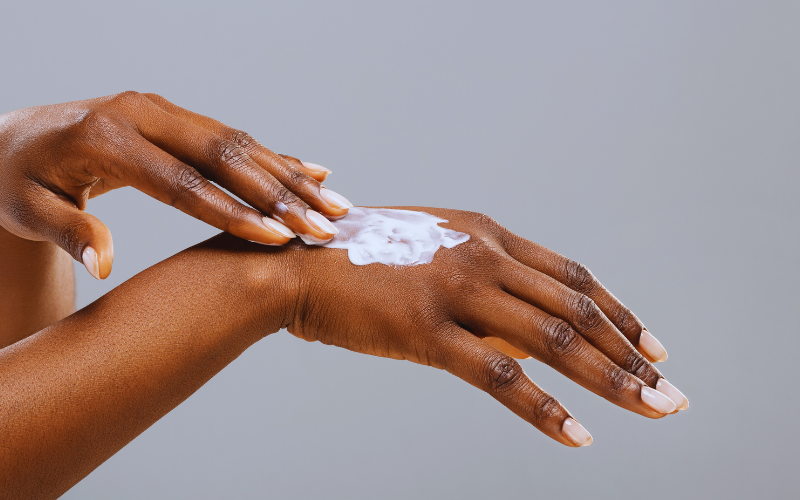
Your twenties mark a turning point for skin health and aesthetic wellness. Most young adults focus on immediate issues like acne or breakouts, but this decade presents the perfect chance to build preventive care habits that will shape long-term skin quality and aging patterns.
Prevention versus correction in aesthetic medicine has sparked widespread discussion as treatments become mainstream. Knowing when to begin preventive care versus waiting for corrective procedures helps you make smart choices about your aesthetic path. Studies show patients who start preventive care in their twenties need fewer aggressive treatments in their 40s and 50s.
Preventive aesthetic treatments maintain skin health and delay aging before problems surface. They boost natural collagen production, shield against environmental damage, and create healthy maintenance routines that matter more as metabolism slows with age.
Your skin in your twenties still makes plenty of collagen and elastin — proteins that keep skin firm and stretchy. Preventive treatments work with this natural production while adding strategies to keep these levels steady over time. Skin cells naturally renew every 28 days during your twenties, creating prime conditions for treatment success.
Doctors stress that prevention takes consistency and patience. While corrective treatments fix existing damage, preventive care accumulates benefits over months and years. This method works with your body’s healing processes and creates subtle, natural results.
Starting preventive care in your twenties brings advantages that grow over time. Treatments stay less invasive with little downtime, working well with packed schedules. Prevention costs less than major corrective work later since maintaining healthy skin beats fixing serious damage.
Good skin health from a young age builds the foundation for aging well. Young skin responds better to treatments and heals faster after procedures. Building relationships with aesthetic providers early means consistent monitoring and plan adjustments as your needs shift.
Treatments like light chemical peels, microneedling and Laser Genesis boost cell renewal and collagen production. These fix small flaws while creating stronger, tougher skin for years ahead. Patients who start with mild treatments in their twenties can maintain results with less work instead of needing harsh fixes later.
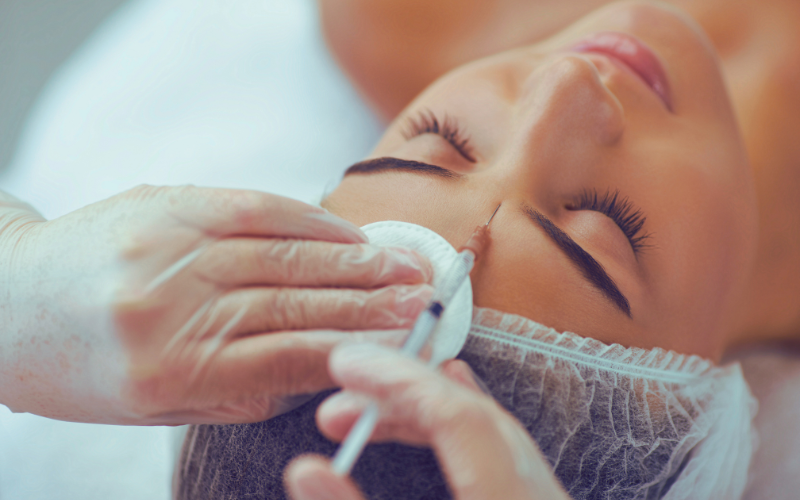
People link Botox with older patients, but younger people increasingly use preventive Botox to stop dynamic wrinkles before they stick around. Small amounts placed in active muscle areas prevent lines from repeated expressions like frowning, squinting or eyebrow raising.
Beginning treatments in your twenties prevents deep lines from years of muscle movement. Success comes from using small amounts that keep natural expressions while cutting muscle activity that causes wrinkles. Most doctors suggest starting with few units and adjusting based on how you respond.
Preventive neurotoxin results last three to four months at first. Regular treatments often make effects last longer over time. The process takes 10 to 15 minutes with no recovery time, fitting busy lives.
Regular facials, chemical peels and medical-grade skincare products anchor preventive aesthetic care. These keep skin clear, tackle early sun damage, and maintain clean, smooth pores while building habits that help long-term skin health.
Monthly or twice-monthly facials handle specific problems like blocked pores, bumpy texture or early dark spots. Medical-grade products pack stronger active ingredients than drugstore versions, giving better results under professional watch.
Chemical peels from light glycolic treatments to medium-depth options address various issues while boosting cell renewal. Light peels need little downtime and work for regular use. Deeper peels might happen quarterly or twice yearly based on individual needs and skin reaction.
Modern laser technology tackles various skin problems while boosting long-term health through controlled heat that triggers natural healing. Laser hair removal stops constant shaving or waxing while cutting ingrown hairs and irritation — great for sensitive skin.
Rejuvenation lasers improve texture and tone by targeting specific skin elements. IPL (intense pulsed light) treatments handle early sun damage, redness and uneven color. Fractional lasers create tiny treatment spots that boost collagen while leaving surrounding tissue alone for quicker healing.
Laser treatment flexibility lets providers customize plans based on skin type, concerns and comfort levels. Most laser work needs several sessions weeks apart for best results, with yearly maintenance or as needed.
Some people need corrective treatments in their twenties because of genes, environment or lifestyle choices that speed aging or create specific problems. Acne scars, major sun damage from outdoor work or activities, or inherited skin conditions might need stronger approaches than standard preventive care provides.
Corrective treatments use aggressive methods to fix existing damage rather than just maintaining current skin quality. Options include deeper chemical peels that reach multiple skin layers, ablative laser resurfacing that removes damaged tissue, or dermal fillers for volume loss or unevenness from genetics or injury.
The line between preventive and corrective care depends on how severe existing problems are. Thorough professional assessment determines which approach works best for your goals while avoiding unnecessary treatment intensity.
Stubborn acne scars that change skin texture and appearance may need targeted correction before starting preventive steps. Clear pigment problems like melasma or post-inflammatory dark spots often improve with corrective treatments to restore even skin tone.
Early volume loss around the under-eyes, temples or cheeks might signal need for correction rather than just prevention. Some people lose volume early due to genetics, quick weight changes or medical conditions affecting facial structure.
Serious sun damage including deep pigmentation, rough texture or early photodamage may need corrective work to restore skin health before switching to preventive maintenance. Environmental factors like pollution, smoking history or work hazards can speed skin aging and require corrective treatments.
The best approach often mixes preventive and corrective strategies to handle immediate concerns while building long-term skin health protocols. Someone might treat existing acne scars with targeted lasers while adding preventive steps like regular chemical peels and professional skincare to maintain results and prevent future damage.
This mixed approach tackles immediate problems while creating long-term skin health habits that support treatment results. It allows flexibility to adjust treatments as needs change, moving from corrective to preventive approaches as initial concerns improve.
Staged treatment plans work best — starting with corrective work for main concerns, then moving to preventive maintenance once you achieve desired improvements. This approach maximizes treatment benefits while minimizing long-term costs and treatment intensity.
Working with skilled aesthetic professionals proves valuable when choosing the right approach for your situation. A qualified provider can examine your skin condition, discuss your goals and expectations, and suggest proper treatments based on your specific circumstances, lifestyle and budget.
Professional evaluation separates concerns needing immediate correction from those benefiting from preventive care. This guidance prevents unnecessary treatments while making sure you get proper interventions when needed, potentially saving time and money long-term.
Complete consultations should include skin analysis with advanced diagnostic tools, medical history discussion and current skincare routines, plus realistic timelines for achieving desired results. Experienced providers also teach patients about potential side effects, aftercare needs and long-term maintenance requirements.
Success with preventive and corrective treatments depends heavily on lifestyle choices that help or hurt treatment effectiveness. Daily sunscreen with broad-spectrum SPF 30 or higher stays the most important factor in preventing early aging and maintaining treatment results.
Good hydration, adequate sleep of seven to nine hours nightly, and eating antioxidants and healthy fats all help treatment effectiveness and long-term results. Regular exercise boosts circulation and supports cell renewal, while stress management prevents hormonal changes that affect skin health.
Smoking, heavy drinking and poor skincare habits can ruin even advanced treatments by causing inflammation, dehydration and faster aging. Building healthy lifestyle patterns in your twenties creates the best environment for aesthetic procedures to reach full potential while supporting health and wellness.
At Sanctuary Medical Aesthetic Center in Boca Raton and Fort Lauderdale, our team of board-certified plastic surgeons, dermatologists and aesthetic professionals creates personalized treatment plans for patients in their twenties. We balance prevention with correction to achieve optimal long-term results while respecting individual goals and budgets.
Our complete consultation process determines the best approach for your needs and goals through advanced skin analysis and detailed discussion of your aesthetic objectives. From advanced laser treatments including CoolSculpting Elite and VelaShape to injectable therapies and professional skincare services, we offer the latest technologies in a comfortable, professional environment.
Dr. Jason Pozner and our experienced team provide honest recommendations that put patient well-being over unnecessary treatments. We educate patients about all available options while suggesting the most conservative effective approach for achieving desired outcomes.
Contact Sanctuary Medical Aesthetic Center today to schedule your complimentary consultation and discover how preventive and corrective aesthetic treatments can support your skin health journey throughout your twenties and beyond.
Most dermatologists recommend beginning preventive skincare routines in your early twenties. Professional treatments can typically start around age 25, though individual needs vary based on skin condition, genetics and lifestyle factors.
Preventive treatments often prove more cost-effective than extensive corrective procedures later in life. Early intervention can slow aging processes and maintain skin quality with less invasive approaches.
Treatment frequency depends on the specific procedure and your individual needs. Most preventive treatments require maintenance every three to six months, though your provider will recommend an appropriate schedule during consultation.
Yes, many patients benefit from combining various treatments. A qualified provider can design a comprehensive plan that addresses multiple concerns while avoiding potential complications from overlapping procedures.
Preventive treatments typically focus on maintaining current skin quality and slowing aging processes. You can expect improved texture, clarity and resilience rather than dramatic transformations typically associated with corrective procedures.