



















































Florida Sun Damage: When to Get a Skin Assessment

According to AIM at Melanoma, nearly one in 10 Floridians, 9.2%, have been told by a doctor that they have skin cancer. That rate reflects something South Florida residents know firsthand: UV exposure here is relentless. The equator is close, the outdoor lifestyle is real, and the sun does not take a season off. For Boca Raton residents who golf, boat, or simply walk to their cars every day, the damage adds up well before it shows up in the mirror.
Two types of UV radiation reach the skin. UVB is the sunburn driver, strongest between 10 a.m. and 4 p.m. UVA is quieter about it, accounting for 90% to 95% of all UV that reaches the earth’s surface, but it penetrates deeper into the dermis. Both damage skin cell DNA, setting off the mutations that lead to precancerous lesions, pigmentation irregularities, and photoaging.
Photoaging does not look like regular aging. Common signs include:
Most patients notice these changes picking up speed in their 30s or 40s. The exposure driving them happened years before. That lag is part of what makes South Florida sun damage so easy to underestimate.
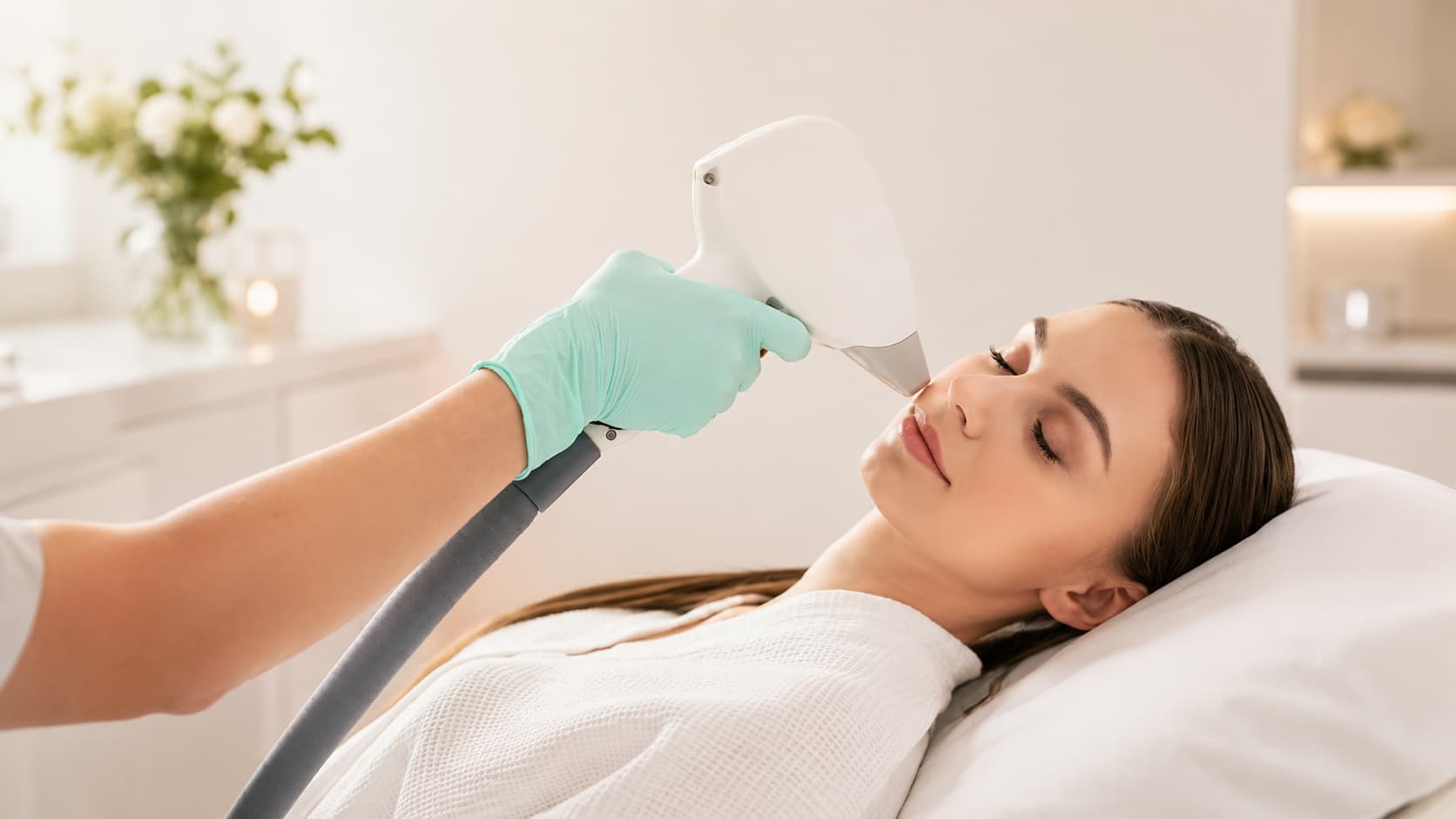
A professional skin assessment does two jobs. The first is clinical: a trained provider can spot suspicious changes, actinic keratoses, or early lesions that need attention or monitoring. The second is cosmetic: patients leave with a clear picture of where their skin is and what it will take to get it where they want it.
Skipping that step until something looks wrong means missing the window when treatment is simplest. Coming in regularly lets providers intervene early, whether that means watching a changing spot or starting a course of treatments to address tone and texture before it becomes harder to correct. Patients with fair skin, a history of heavy sun exposure, or a family history of skin cancer should consider annual or twice-yearly assessments as part of their routine.
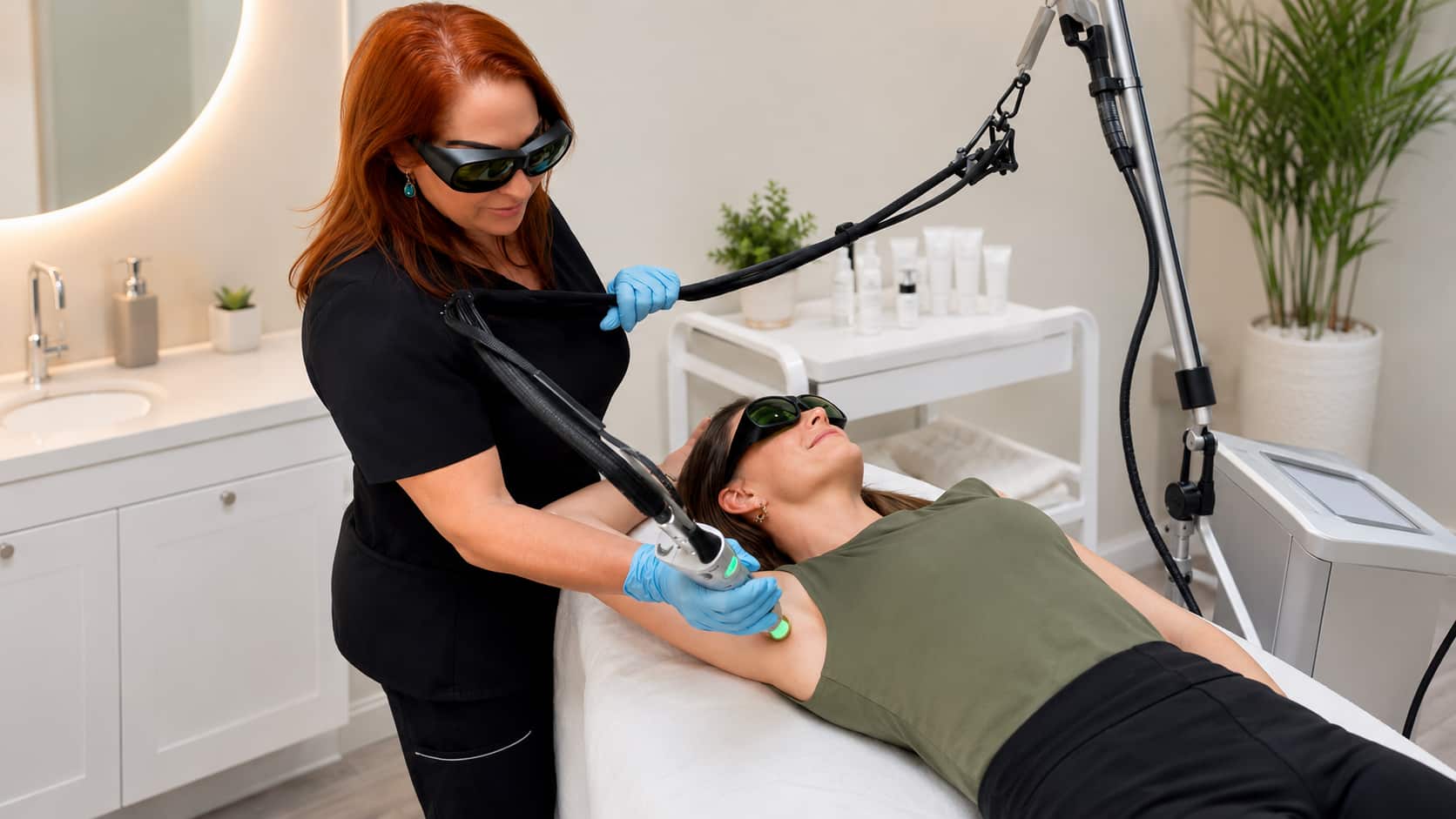
Sanctuary Medical Aesthetic Center operates the largest laser facility in South Florida, with devices matched to varying degrees of UV damage and different skin types. Every treatment plan starts with a consultation that covers skin type, current damage, and what the patient wants to accomplish.
BBL Hero targets the most visible signs of sun damage: age spots, redness, broken capillaries, and uneven pigmentation. Broadband light pulses heat the damaged tissue, and the skin clears it naturally over the days and weeks that follow. Downtime is minimal. Many patients in Boca Raton and Fort Lauderdale come in once or twice a year to stay on top of the pigmentation that South Florida living keeps producing.
The Halo fractional laser handles surface discoloration and deeper skin quality in the same session by combining ablative and non-ablative wavelengths. For patients whose sun damage shows up as both uneven tone and rough texture, Halo covers both in a single treatment. Expect two to five days of redness and light peeling.
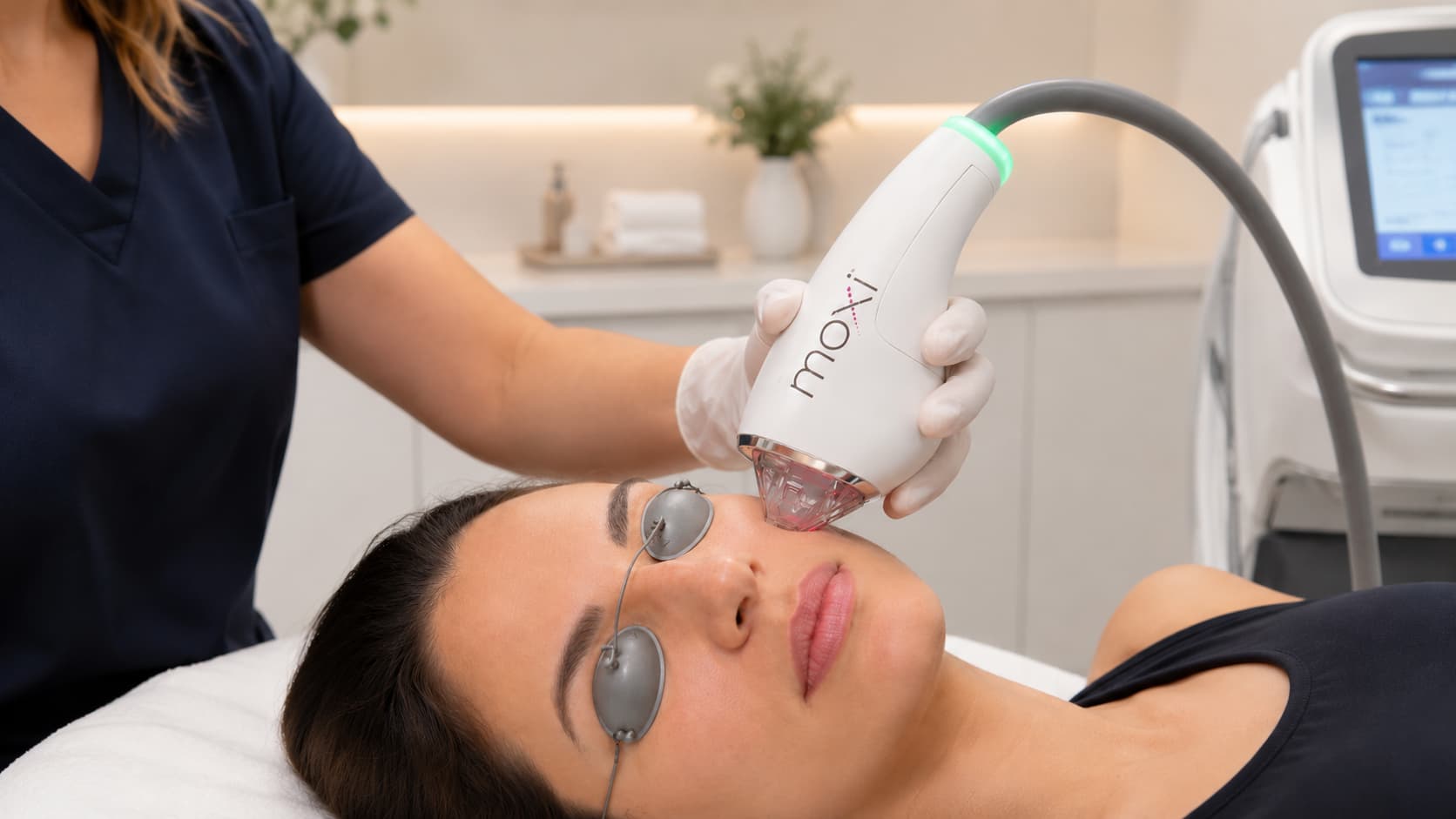
MOXI takes a gentler path. It is a non-ablative laser that stimulates collagen and cell renewal with little to no downtime, and it works across all skin tones. MOXI and BBL Hero treatments pair well together when both pigmentation and texture are in play.
The assessment might also point toward chemical peels for mild pigmentation concerns, HydraFacial as a maintenance treatment between laser visits, or Genius RF Microneedling when laxity is part of the picture alongside sun damage. Most patients do best with a combination tailored to where their skin actually is, not a one-size approach.
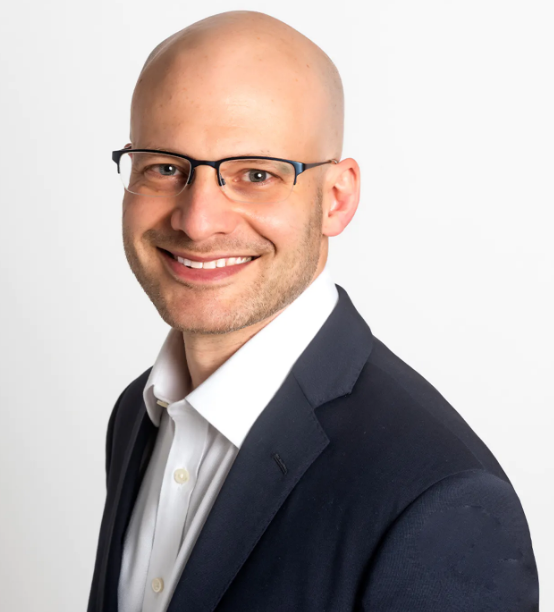
Sanctuary Medical Aesthetic Center has cared for more than 65,000 patients across Boca Raton and Fort Lauderdale. With 600+ five-star reviews and 25 years of practice under Dr. Jason Pozner, MD, FACS, the team brings board-certified expertise to every consultation. Our laser skin treatments are performed at South Florida’s largest laser facility. Book a consultation today to get your skin assessed and walk away with a plan that fits your goals.
Yes. Many forms of UV damage are not yet visible when they are most treatable. A professional assessment catches those early changes and gives you more options.
Once a year is the standard recommendation for adults with regular sun exposure. Patients with fair skin or a personal or family history of skin cancer may want to come in every six months.
BBL Hero is typically the starting point for pigmentation concerns. Halo handles both texture and tone in one session. The right choice depends on your skin, which is exactly what a consultation is for.
Significant reduction is absolutely achievable. Medical-grade lasers clear pigmentation, improve texture, and restore more even tone. Full reversal is not always realistic, but consistent treatment and daily sun protection produce results that last.