






















































The Science Behind Neuromodulators: Why Technique Matters More Than Brand
A study published in the Journal of Cosmetic Dermatology examined a refined three-point injection technique for treating glabellar frown lines. Researchers found zero adverse events; no eyebrow ptosis, no eyelid drooping, no medial brow ptosis, no lateral frontalis hyperactivity. What made the difference wasn’t the product used. The study incorporated anatomical concepts into clinical practice, proving that technique and anatomical knowledge outweigh brand choice. Patients spend hours comparing Botox, Dysport, and Xeomin, but the injector’s skill matters more than what’s written on the vial.
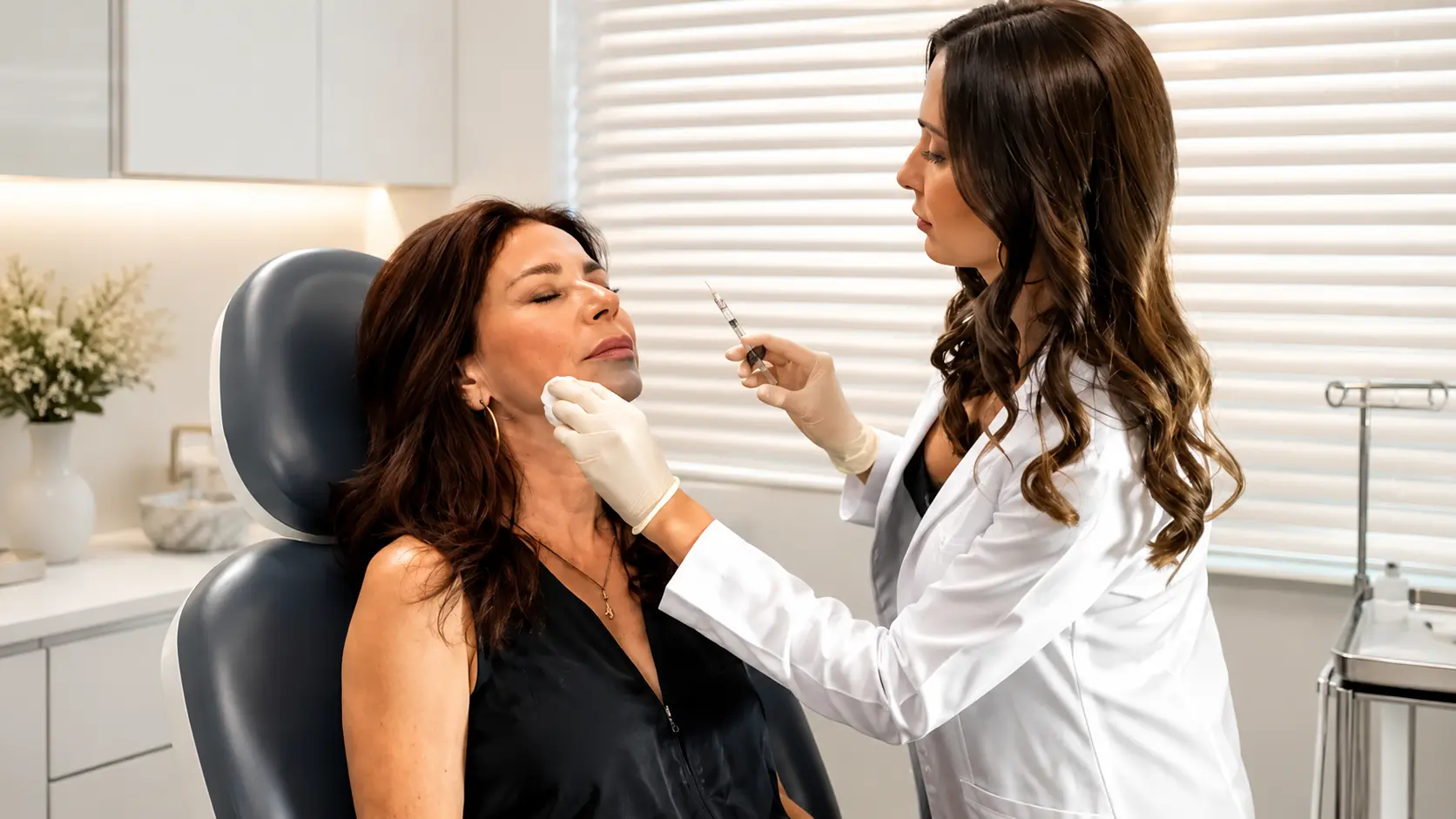
Injectable neuromodulators temporarily relax facial muscles, which reduces wrinkles. Botox Cosmetic, Dysport, and Xeomin all contain the same active ingredient: botulinum toxin type A. This substance blocks nerve signals to targeted muscles. Less forceful muscle contractions mean fewer visible dynamic wrinkles from repeated expressions like frowning or squinting.
The three major brands work through identical mechanisms. Formulation differences exist; protein content varies, diffusion rates differ once the product goes beneath the skin. These factors influence how fast you’ll see results and how far the product spreads from injection points. But they don’t make or break treatment success.
Facial muscles work as a connected system. Each muscle’s movement affects its neighbors. Your frontalis muscle lifts eyebrows upward. The corrugator supercilii and procerus muscles pull them down, carving frown lines. Around your eyes, the orbicularis oculi creates crow’s feet during contractions.
Injectors need more than a map of muscle locations. They must understand how muscles interact during expressions. The Journal of Cosmetic Dermatology published research showing that a three-point injection technique prevents medial brow ptosis by respecting facial muscles’ three-dimensional architecture. Precision comes from anatomical knowledge, not product selection.
Consider the “line of convergence.” This imaginary line runs about 60 percent of the distance between eyebrows and hairline. It marks where the frontalis muscle’s upward and downward movements meet. Inject below this line at the right depth, and you avoid brow drooping. Finding this line takes skill and experience; qualities that matter regardless of which neuromodulator fills the syringe.
Brand selection pales compared to three technical factors that determine outcomes.
Getting the depth right keeps patients safe and delivers results. Crow’s feet treatment demands subdermal injections positioned at least one centimeter from the orbital rim. Go deeper, and you risk hitting the zygomaticus major muscle. That weakens the smile on the treated side; a complication nobody wants.
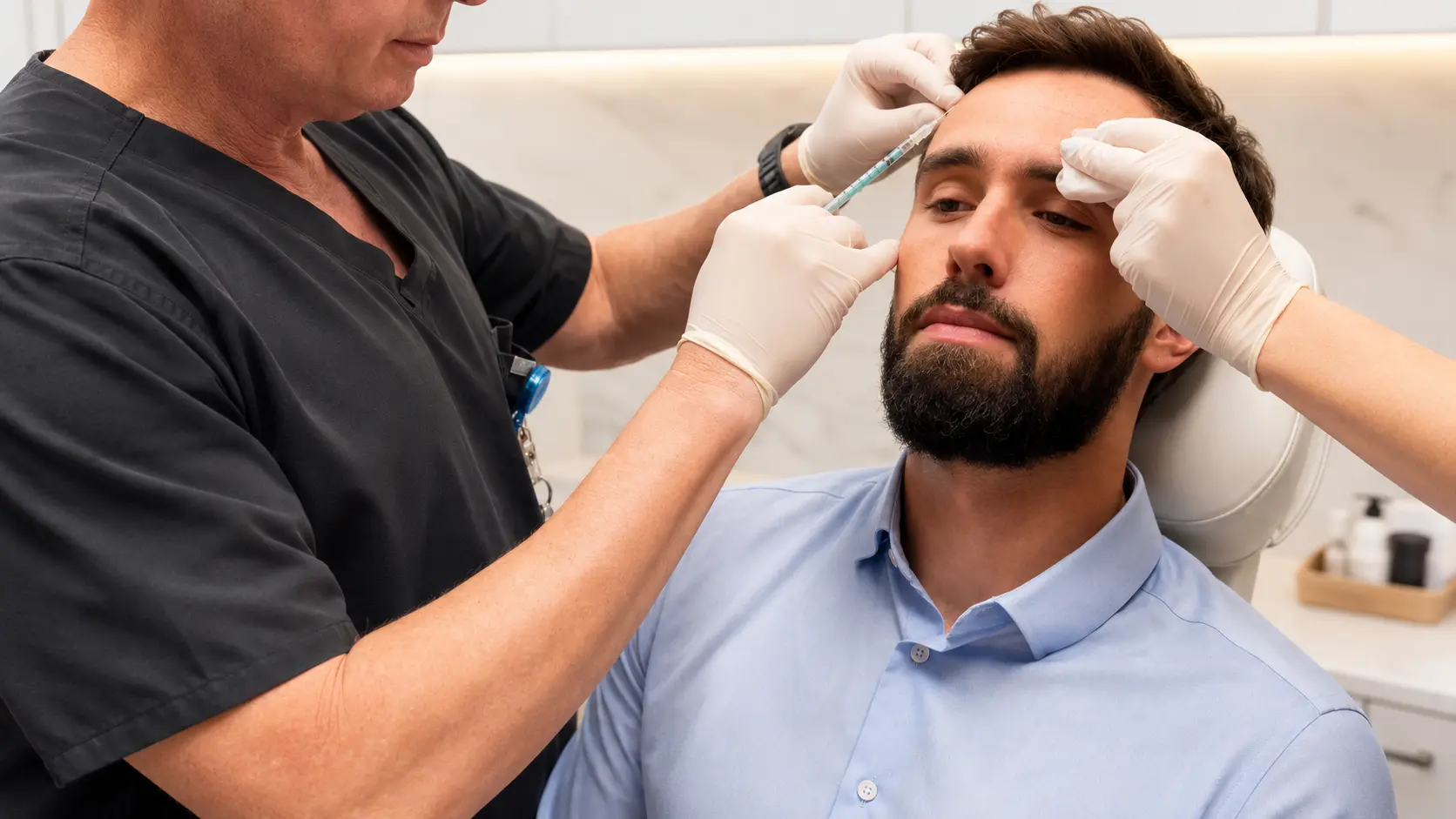
Injectors must hit only the muscles causing unwanted wrinkles while leaving adjacent muscles alone. Forehead treatments need injections at least two centimeters above the orbital rim to avoid brow ptosis. This measurement doesn’t change based on brand.
Dosage calculations separating good outcomes from disappointing ones involve muscle mass, treatment area, and desired effects. Different areas need different amounts:
Each face shows how its muscles interact. Practitioners who know what to look for assess wrinkle patterns during expressions, test muscle strength through patient movements, and spot asymmetries that need customized solutions.
Corrugator muscles pull harder in some patients, dragging the medial brow down more forcefully. Others have frontalis muscles that stay hyperactive, carving deep horizontal lines across the forehead. These differences mean two patients getting forehead treatment might use the same brand but need completely different injection patterns because their muscles behave differently.
Aesthetic medicine research now pushes individualized approaches instead of one-size-fits-all protocols. Ultrasound imaging studies before injection show that the line of convergence sits in different spots for different people. Standard injection patterns can’t deliver top results when anatomy varies this much, no matter which product you pick.
Botox Cosmetic, Dysport, and Xeomin all relax facial muscles without freezing them solid. Product differences become mostly irrelevant when the injector understands anatomy and applies good technique.
All three products last about three to six months before you need another treatment. They need several days to reach full effect. Dysport sometimes shows results a bit faster because of how it diffuses. But longevity and satisfaction come from accurate muscle targeting and right dosing, not brand names.
Starting treatments early might prevent deeper wrinkles from forming later. This benefit comes from keeping muscles consistently relaxed, not from special brand properties. Timing consistency and good technique beat switching products.
Combining neuromodulators with other treatments works well for many patients. Dermal fillers restore volume in cheeks, lips, and under-eye hollows. Neuromodulators relax dynamic wrinkles from muscle movement. Using both tackles multiple aging signs at once.
Looking at potential complications shows why technique matters so much.
Few complications frustrate patients more than drooping brows. This happens when product hits the frontalis muscle too close to the eyebrow, eliminating the upward lift that holds brows where they belong. Proper injection height stops this problem, and the product brand doesn’t matter.
Eyelid drooping occurs when neuromodulator migrates from where you injected it and reaches the levator palpebrae superioris muscle; the muscle that lifts your upper eyelid. Keep injection depth right and avoid excessive doses near the orbital rim to prevent this. Migration comes from technique problems, not brand choice.
Uneven results usually come from inconsistent injection patterns or ignoring existing facial asymmetries. Most faces have subtle differences between left and right sides. Good injectors notice these and adjust where they inject and how much they use.
That frozen look comes from over-treating or wiping out all muscle movement. The goal should be softer expression lines that still let faces move naturally. Getting this balance right takes artistic judgment and anatomical knowledge beyond brand loyalty.
Real anatomical understanding comes from extensive training, not just product manufacturer courses. Companies making Botox, Dysport, and Xeomin offer injection training, but these sessions focus on selling specific products instead of teaching broader anatomical principles.
Advanced injectors take it further. They study facial biomechanics, attend cadaver dissection courses, and learn three-dimensional facial anatomy. They train to identify anatomical landmarks by touch, visualize where muscles sit beneath skin, and predict how products will diffuse based on depth and location. This knowledge works with any brand.
Clinical experience builds on this foundation. Years of treating different facial structures and patient goals refine technique. Each face reveals something about muscle interaction and how small technique adjustments change outcomes. You can’t replace this learning by switching products.
Board certification in plastic surgery, dermatology, or related specialties signals solid medical knowledge. For physician assistants and other non-physician providers, look for certification plus extensive aesthetic training and proper medical oversight.
Ask about injection experience. How many treatments have they done? Do they attend continuing education on facial anatomy and injection techniques? Can they explain how they’ll assess your specific facial structure?
Look through before-and-after photos from real patients. Natural-looking results that preserve facial expression matter more than dramatic changes. Overly tight or frozen faces suggest aggressive approaches that might not suit your goals.
Watch what happens during consultation. Does the provider examine your face thoroughly? Do they ask you to make different expressions? Do they feel your muscles to check strength and position? These assessment steps show an individualized approach instead of cookie-cutter protocols.
The best providers offer more than just neuromodulators. Treatments like Genius RF Microneedling handle skin texture and tone issues that neuromodulators can’t fix alone, giving you more complete facial rejuvenation.
At Sanctuary Medical Aesthetic Center, Dr. Jason Pozner and his board-certified team know that beautiful, natural neuromodulator results require meticulous technique and deep anatomical knowledge. Our providers bring years of advanced training and artistic vision to create treatment plans built around your unique facial structure.
We start with detailed facial analysis to understand your muscle dynamics and aesthetic goals. Then we explain our injection strategy so you know exactly how we’ll achieve your desired results while keeping your facial expressions natural. New to neuromodulators or disappointed with past treatments? Our expertise makes the difference.
Schedule your complimentary consultation at our Boca Raton or Fort Lauderdale location today. Find out how proper technique and individualized care create the naturally refreshed appearance you’re looking for.
How long does it take to become skilled at neuromodulator injections?
True expertise takes several years of dedicated practice plus ongoing education. Basic injection techniques? You can learn those relatively quickly. But mastering facial anatomy nuances, understanding individual variations, and developing an artistic eye for optimal results takes time. Most experts say injectors should perform hundreds of treatments under supervision before working independently. Then they need to keep pursuing advanced training throughout their careers.
Can different neuromodulator brands be used together during the same treatment?
Technically possible, but most experienced injectors stick with one brand per session. This makes dosing calculations simpler and results easier to assess at follow-up. Mixing brands offers no real advantage and complicates figuring out which product caused unexpected outcomes. Want to try a different brand? Most providers suggest waiting until the current treatment wears off completely before switching.
Why do some people need touch-ups after neuromodulator treatments?
Touch-up appointments let providers check initial results and make small adjustments. Some areas need extra product for complete wrinkle reduction. Or slight asymmetries show up once initial injections kick in fully. These refinements show thoughtful, conservative approaches, not poor initial technique. Most experienced injectors schedule follow-ups two weeks after treatment to check results and make any needed adjustments at no extra charge.
Does facial structure affect how long neuromodulator results last?
Yes. Muscle strength, metabolism, and facial animation patterns all affect how long results stick around. Very strong facial muscles may metabolize neuromodulators faster than less active muscles. Highly expressive people who use facial muscles constantly throughout the day might see results fade sooner than people with more subdued expressions. These differences come from individual physiology, not the brand used.
How can I tell if an injector is using proper technique?
Watch for thorough facial assessment during your appointment; muscle palpation, checking facial movements, the works. The injector should explain their specific strategy for your face, not recite a standard protocol. Look for proper ergonomics, steady hands, methodical injecting instead of rushing. After treatment, you should get clear instructions about what to expect and when to call with concerns. Proper technique also means scheduling enough appointment time instead of cramming in high patient volumes.