






















































Aesthetic Treatments in Your 20s: Prevention vs. Correction
Your twenties mark a turning point for skin health and aesthetic wellness. Most young adults focus on immediate issues like acne or breakouts, but this decade presents the perfect chance to build preventive care habits that will shape long-term skin quality and aging patterns.
Prevention versus correction in aesthetic medicine has sparked widespread discussion as treatments become mainstream. Knowing when to begin preventive care versus waiting for corrective procedures helps you make smart choices about your aesthetic path. Studies show patients who start preventive care in their twenties need fewer aggressive treatments in their 40s and 50s.
Preventive aesthetic treatments maintain skin health and delay aging before problems surface. They boost natural collagen production, shield against environmental damage, and create healthy maintenance routines that matter more as metabolism slows with age.
Your skin in your twenties still makes plenty of collagen and elastin — proteins that keep skin firm and stretchy. Preventive treatments work with this natural production while adding strategies to keep these levels steady over time. Skin cells naturally renew every 28 days during your twenties, creating prime conditions for treatment success.
Doctors stress that prevention takes consistency and patience. While corrective treatments fix existing damage, preventive care accumulates benefits over months and years. This method works with your body’s healing processes and creates subtle, natural results.
Starting preventive care in your twenties brings advantages that grow over time. Treatments stay less invasive with little downtime, working well with packed schedules. Prevention costs less than major corrective work later since maintaining healthy skin beats fixing serious damage.
Good skin health from a young age builds the foundation for aging well. Young skin responds better to treatments and heals faster after procedures. Building relationships with aesthetic providers early means consistent monitoring and plan adjustments as your needs shift.
Treatments like light chemical peels, microneedling and Laser Genesis boost cell renewal and collagen production. These fix small flaws while creating stronger, tougher skin for years ahead. Patients who start with mild treatments in their twenties can maintain results with less work instead of needing harsh fixes later.
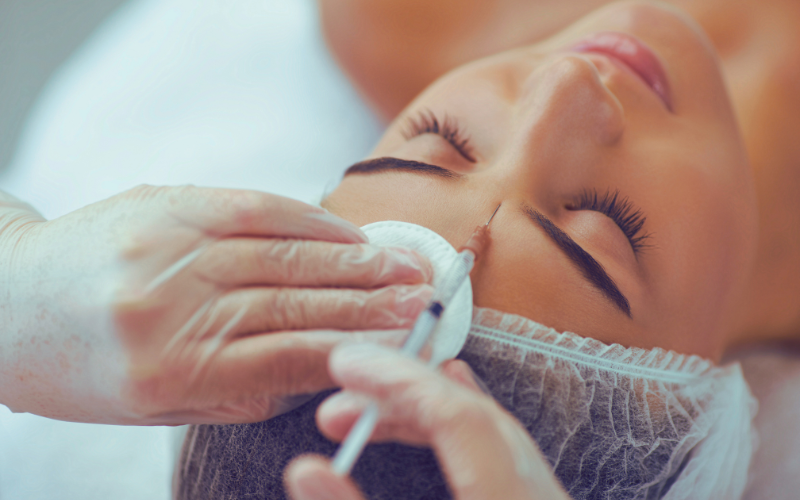
People link Botox with older patients, but younger people increasingly use preventive Botox to stop dynamic wrinkles before they stick around. Small amounts placed in active muscle areas prevent lines from repeated expressions like frowning, squinting or eyebrow raising.
Beginning treatments in your twenties prevents deep lines from years of muscle movement. Success comes from using small amounts that keep natural expressions while cutting muscle activity that causes wrinkles. Most doctors suggest starting with few units and adjusting based on how you respond.
Preventive neurotoxin results last three to four months at first. Regular treatments often make effects last longer over time. The process takes 10 to 15 minutes with no recovery time, fitting busy lives.
Regular facials, chemical peels and medical-grade skincare products anchor preventive aesthetic care. These keep skin clear, tackle early sun damage, and maintain clean, smooth pores while building habits that help long-term skin health.
Monthly or twice-monthly facials handle specific problems like blocked pores, bumpy texture or early dark spots. Medical-grade products pack stronger active ingredients than drugstore versions, giving better results under professional watch.
Chemical peels from light glycolic treatments to medium-depth options address various issues while boosting cell renewal. Light peels need little downtime and work for regular use. Deeper peels might happen quarterly or twice yearly based on individual needs and skin reaction.
Modern laser technology tackles various skin problems while boosting long-term health through controlled heat that triggers natural healing. Laser hair removal stops constant shaving or waxing while cutting ingrown hairs and irritation — great for sensitive skin.
Rejuvenation lasers improve texture and tone by targeting specific skin elements. IPL (intense pulsed light) treatments handle early sun damage, redness and uneven color. Fractional lasers create tiny treatment spots that boost collagen while leaving surrounding tissue alone for quicker healing.
Laser treatment flexibility lets providers customize plans based on skin type, concerns and comfort levels. Most laser work needs several sessions weeks apart for best results, with yearly maintenance or as needed.
Some people need corrective treatments in their twenties because of genes, environment or lifestyle choices that speed aging or create specific problems. Acne scars, major sun damage from outdoor work or activities, or inherited skin conditions might need stronger approaches than standard preventive care provides.
Corrective treatments use aggressive methods to fix existing damage rather than just maintaining current skin quality. Options include deeper chemical peels that reach multiple skin layers, ablative laser resurfacing that removes damaged tissue, or dermal fillers for volume loss or unevenness from genetics or injury.
The line between preventive and corrective care depends on how severe existing problems are. Thorough professional assessment determines which approach works best for your goals while avoiding unnecessary treatment intensity.
Stubborn acne scars that change skin texture and appearance may need targeted correction before starting preventive steps. Clear pigment problems like melasma or post-inflammatory dark spots often improve with corrective treatments to restore even skin tone.
Early volume loss around the under-eyes, temples or cheeks might signal need for correction rather than just prevention. Some people lose volume early due to genetics, quick weight changes or medical conditions affecting facial structure.
Serious sun damage including deep pigmentation, rough texture or early photodamage may need corrective work to restore skin health before switching to preventive maintenance. Environmental factors like pollution, smoking history or work hazards can speed skin aging and require corrective treatments.
The best approach often mixes preventive and corrective strategies to handle immediate concerns while building long-term skin health protocols. Someone might treat existing acne scars with targeted lasers while adding preventive steps like regular chemical peels and professional skincare to maintain results and prevent future damage.
This mixed approach tackles immediate problems while creating long-term skin health habits that support treatment results. It allows flexibility to adjust treatments as needs change, moving from corrective to preventive approaches as initial concerns improve.
Staged treatment plans work best — starting with corrective work for main concerns, then moving to preventive maintenance once you achieve desired improvements. This approach maximizes treatment benefits while minimizing long-term costs and treatment intensity.
Working with skilled aesthetic professionals proves valuable when choosing the right approach for your situation. A qualified provider can examine your skin condition, discuss your goals and expectations, and suggest proper treatments based on your specific circumstances, lifestyle and budget.
Professional evaluation separates concerns needing immediate correction from those benefiting from preventive care. This guidance prevents unnecessary treatments while making sure you get proper interventions when needed, potentially saving time and money long-term.
Complete consultations should include skin analysis with advanced diagnostic tools, medical history discussion and current skincare routines, plus realistic timelines for achieving desired results. Experienced providers also teach patients about potential side effects, aftercare needs and long-term maintenance requirements.
Success with preventive and corrective treatments depends heavily on lifestyle choices that help or hurt treatment effectiveness. Daily sunscreen with broad-spectrum SPF 30 or higher stays the most important factor in preventing early aging and maintaining treatment results.
Good hydration, adequate sleep of seven to nine hours nightly, and eating antioxidants and healthy fats all help treatment effectiveness and long-term results. Regular exercise boosts circulation and supports cell renewal, while stress management prevents hormonal changes that affect skin health.
Smoking, heavy drinking and poor skincare habits can ruin even advanced treatments by causing inflammation, dehydration and faster aging. Building healthy lifestyle patterns in your twenties creates the best environment for aesthetic procedures to reach full potential while supporting health and wellness.
At Sanctuary Medical Aesthetic Center in Boca Raton and Fort Lauderdale, our team of board-certified plastic surgeons, dermatologists and aesthetic professionals creates personalized treatment plans for patients in their twenties. We balance prevention with correction to achieve optimal long-term results while respecting individual goals and budgets.
Our complete consultation process determines the best approach for your needs and goals through advanced skin analysis and detailed discussion of your aesthetic objectives. From advanced laser treatments including CoolSculpting Elite and VelaShape to injectable therapies and professional skincare services, we offer the latest technologies in a comfortable, professional environment.
Dr. Jason Pozner and our experienced team provide honest recommendations that put patient well-being over unnecessary treatments. We educate patients about all available options while suggesting the most conservative effective approach for achieving desired outcomes.
Contact Sanctuary Medical Aesthetic Center today to schedule your complimentary consultation and discover how preventive and corrective aesthetic treatments can support your skin health journey throughout your twenties and beyond.
Most dermatologists recommend beginning preventive skincare routines in your early twenties. Professional treatments can typically start around age 25, though individual needs vary based on skin condition, genetics and lifestyle factors.
Preventive treatments often prove more cost-effective than extensive corrective procedures later in life. Early intervention can slow aging processes and maintain skin quality with less invasive approaches.
Treatment frequency depends on the specific procedure and your individual needs. Most preventive treatments require maintenance every three to six months, though your provider will recommend an appropriate schedule during consultation.
Yes, many patients benefit from combining various treatments. A qualified provider can design a comprehensive plan that addresses multiple concerns while avoiding potential complications from overlapping procedures.
Preventive treatments typically focus on maintaining current skin quality and slowing aging processes. You can expect improved texture, clarity and resilience rather than dramatic transformations typically associated with corrective procedures.