



















































Advanced Acne Scar Revision: Beyond Basic Treatments
Acne scars affect more than physical appearance. These marks shape how people see themselves, often lasting long after breakouts clear. Over-the-counter treatments rarely work for moderate to severe scarring. That’s when medical-grade interventions become necessary.
South Florida residents have access to sophisticated scar revision technologies. At Sanctuary Medical Aesthetic Center’s Boca Raton and Fort Lauderdale, Fla., locations, board-certified professionals use proven methods and advanced equipment to target different scar types. The practice operates South Florida’s largest laser facility, with treatment options that extend beyond typical medical spas.
Atrophic scars create depressed areas where tissue loss occurred during healing. Ice pick scars form narrow, deep indentations. Boxcar scars show wider depressions with defined edges. Rolling scars create undulating texture across larger areas. Each responds differently to treatment, so accurate diagnosis matters before starting any revision protocol.
Hypertrophic scars develop when excess collagen forms raised, thickened tissue. Post-inflammatory hyperpigmentation leaves dark spots after inflammation fades. These discolored areas aren’t technically scars, but they cause similar cosmetic concerns and often appear alongside actual scarring.
Successful treatment depends on matching technology to specific scar characteristics. Surface treatments can’t reach deeper structural problems. Aggressive approaches might be overkill for mild texture issues. A thorough skin analysis determines which combination delivers optimal results.
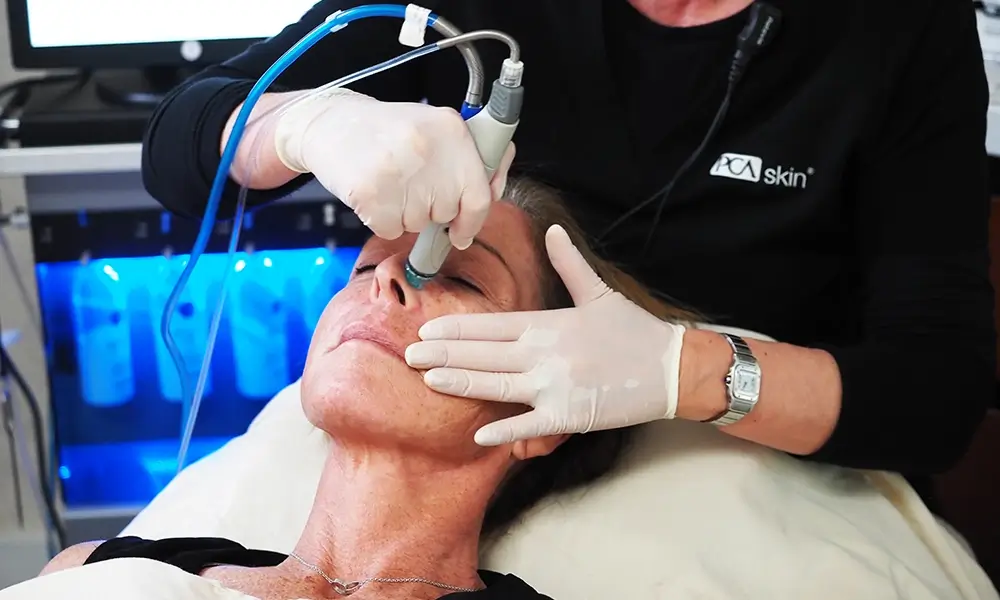
Genius RF Microneedling combines mechanical needling with radiofrequency energy. It creates controlled micro-injuries that trigger natural healing responses. The treatment reaches deeper dermal layers where scar tissue forms, stimulating new collagen without damaging surface skin. Real-time impedance monitoring adjusts energy delivery throughout each procedure.
This dual-action approach targets rolling and boxcar scars effectively. Needles create channels for product penetration. Radiofrequency heat remodels existing collagen structure. Patients typically need three to six sessions spaced four to six weeks apart. Improvements continue for months after the final treatment as collagen rebuilding progresses.
RF microneedling suits all skin tones, unlike some laser procedures. The technology delivers energy below the epidermis, which reduces surface damage and post-inflammatory hyperpigmentation risks. Topical numbing cream applied before treatment minimizes discomfort during the 45-minute procedure.
Fractional laser resurfacing creates microscopic treatment zones while leaving surrounding tissue intact. This speeds healing. The precision allows aggressive correction in targeted areas without the extended downtime of traditional full-surface lasers. Untreated skin between zones acts as a reservoir of healthy cells that accelerate recovery.
The Halo laser uses advanced hybrid technology. It combines ablative and non-ablative wavelengths in one treatment. Ablative energy removes damaged surface layers. Non-ablative wavelengths penetrate deeper to stimulate collagen growth. Dynamic Thermal Optimization monitors skin temperature continuously, automatically adjusting treatment intensity for consistent results.
Results appear within four to six weeks as new skin replaces damaged tissue. The controlled injury pattern means patients experience manageable recovery (usually three to five days of redness and peeling) instead of the weeks required by older laser types.
Medical-grade chemical peels use calibrated acid formulations to remove damaged surface layers. Medium-depth peels with trichloroacetic acid and deeper phenol peels improve mild to moderate acne scarring through controlled exfoliation and collagen renewal. The strength and acid type determine penetration depth and recovery time.
The chemical solution causes upper skin layers to separate and peel away over several days. Smoother tissue emerges beneath. As healing progresses, increased collagen production fills depressed areas and evens out texture irregularities. Providers may apply multiple acid layers to reach targeted depths.
Peels perform best on shallow scarring and pigmentation concerns. Deeper scars need combination therapy for better improvement than chemical exfoliation alone. Many patients schedule peels between laser sessions to maintain results.
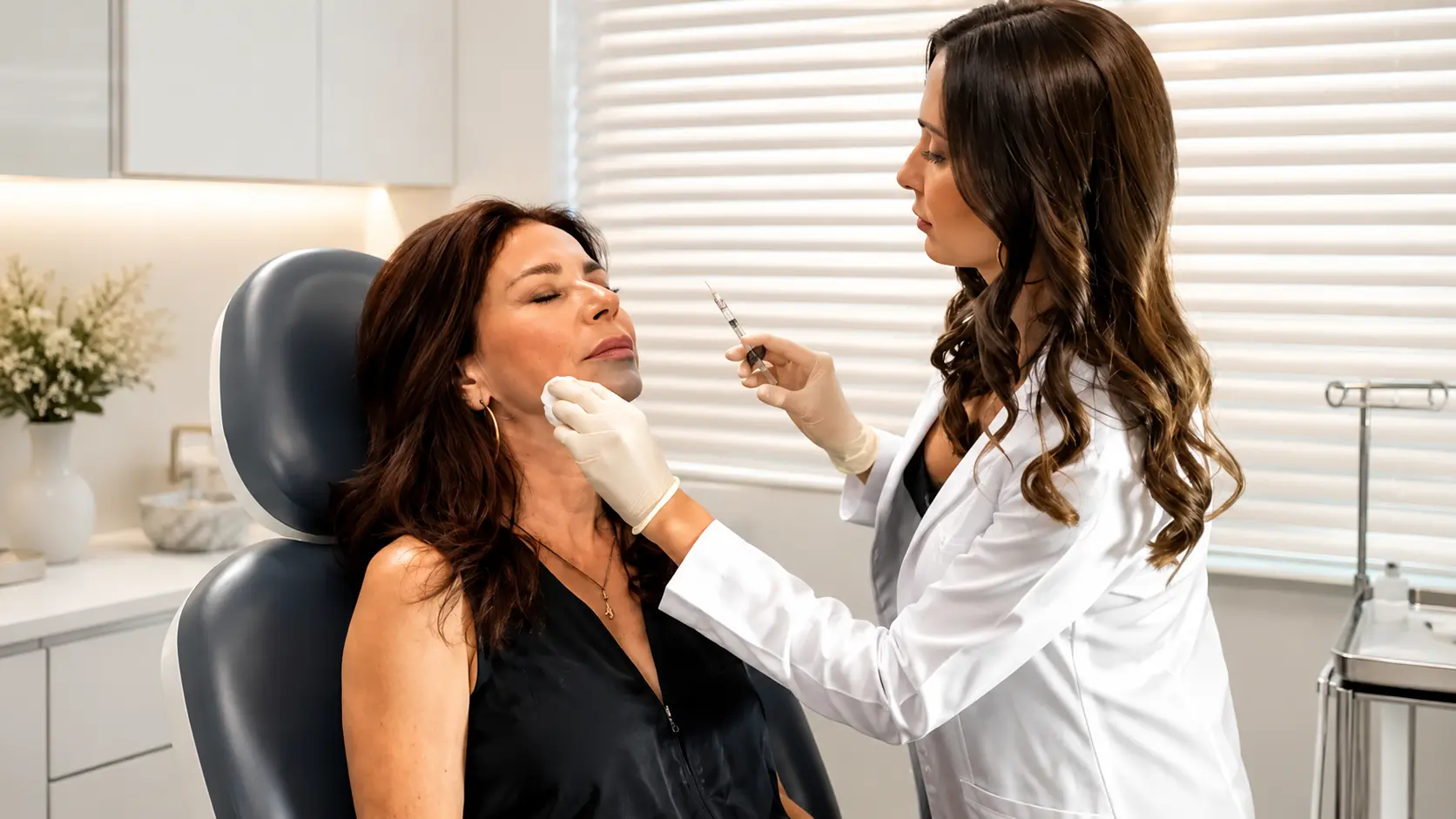
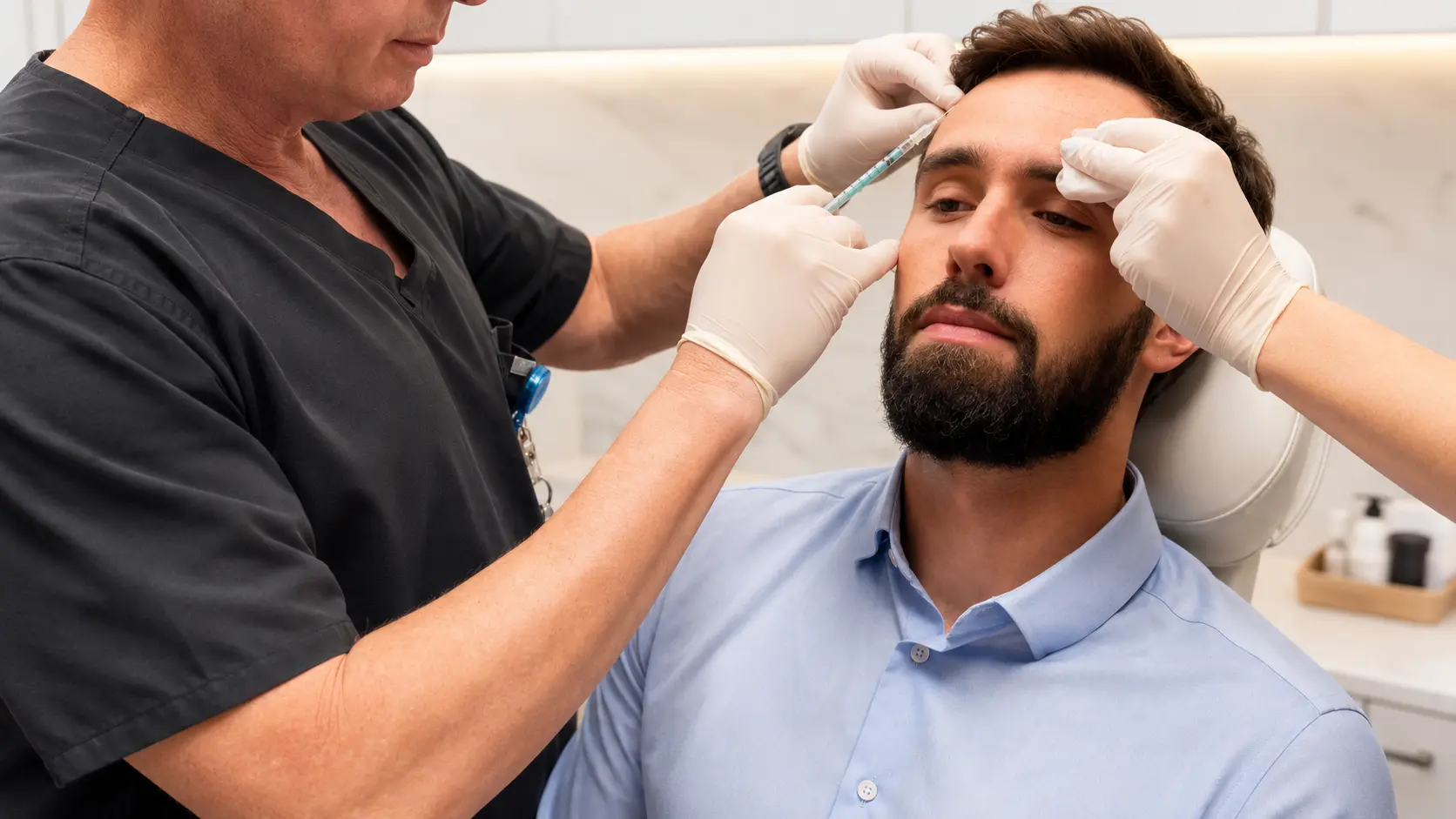
Dermal fillers provide immediate correction for depressed acne scars by restoring volume beneath affected areas. Hyaluronic acid-based fillers or longer-lasting options like Bellafill lift indented scars to match surrounding skin level. The injectable filler physically raises depressed scar tissue from below, creating a smoother surface.
This works particularly well for isolated, deeper boxcar or ice pick scars that don’t respond adequately to resurfacing treatments alone. Filler injections require minimal downtime. Results appear immediately, though repeat treatments become necessary as the body gradually absorbs temporary fillers. Hyaluronic acid fillers last six to 12 months. Bellafill offers results lasting five years or more.
Practitioners often use fillers strategically alongside resurfacing methods for comprehensive scar revision. Filling deep depressions while smoothing surface texture creates better improvement than either technique alone.
Advanced scar revision rarely depends on a single treatment type. Layering complementary technologies addresses multiple scar characteristics at once. Laser resurfacing improves texture. Fillers target specific deep depressions that lasers can’t fully correct. This multimodal approach has become standard for treating moderate to severe scarring.
Treatment sequences matter. Practitioners start with deeper interventions like fractional lasers or RF microneedling. They add surface refinement through chemical peels once foundational improvements develop. This staged approach builds results progressively while managing side effects and downtime between procedures.
Expect multimonth treatment timelines. Significant scar revision takes patience as skin responds to controlled injuries through gradual healing and collagen remodeling. Most comprehensive plans span six to 12 months from initial consultation to final results. Maintenance treatments are recommended annually.
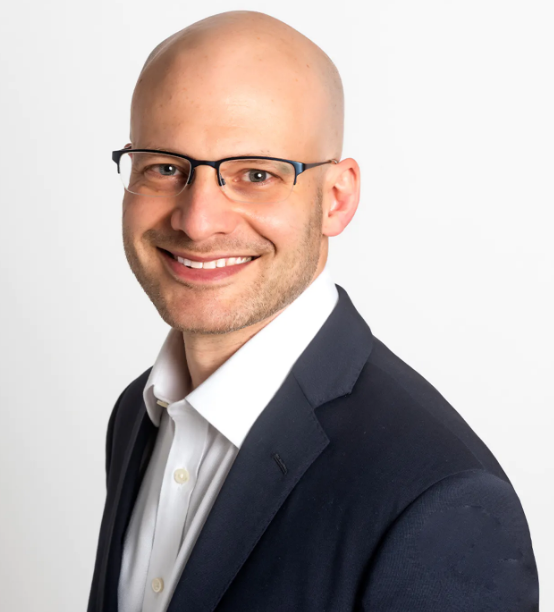
Sanctuary Medical Aesthetic Center offers comprehensive acne scar treatment in Boca Raton and Fort Lauderdale, Fla. Our team, led by Dr. Jason Pozner, uses South Florida’s largest laser facility to create customized treatment plans for your specific scar patterns. Schedule your consultation today to learn which advanced treatments can help you achieve smoother, more confident skin.
Most patients need three to six sessions for significant improvement, though this varies based on scar severity and treatment type. Fractional lasers and RF microneedling require multiple sessions spaced four to six weeks apart. Your provider will create a personalized treatment timeline during your consultation based on your specific scarring pattern.
Initial improvements typically appear four to six weeks after treatment as your skin produces new collagen. Results continue developing for three to six months following your final session. Patience proves important as the skin’s natural healing processes take time to remodel scar tissue.
Most modern treatments, particularly RF microneedling, work safely across different skin types. However, certain laser wavelengths carry higher risks for darker skin tones. Board-certified providers assess your skin type during consultation to recommend the safest, most effective options for your complexion.
Downtime varies by treatment intensity. Chemical peels and RF microneedling typically require three to seven days of visible healing. Fractional laser treatments may involve five to seven days of redness and flaking. Most patients can return to work and normal activities within a week, though you’ll need to avoid sun exposure and follow specific aftercare protocols.