


















































Tightening Loose Skin After Weight Loss Without Surgery
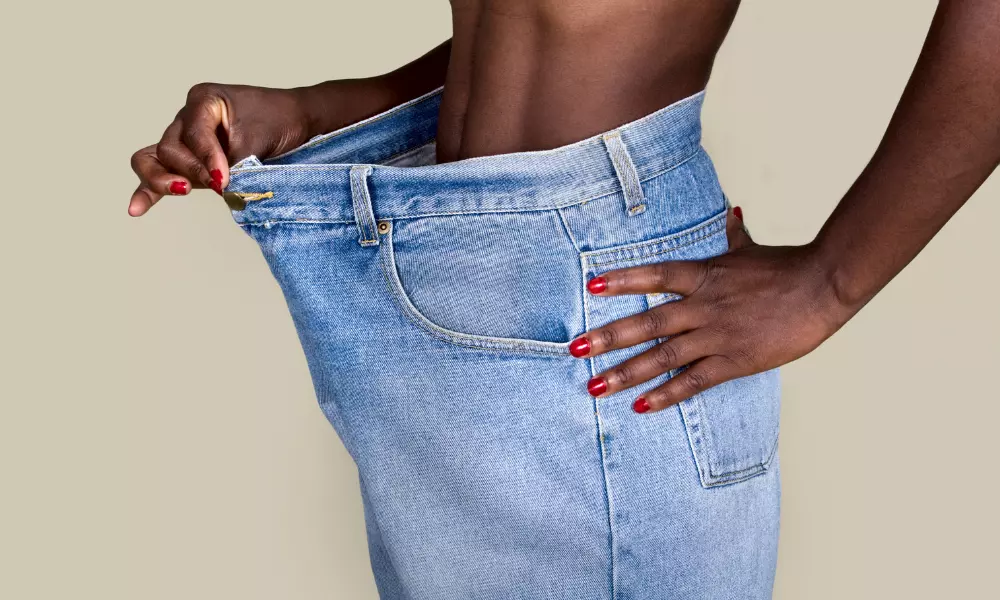
According to a body contouring review published by the National Institutes of Health, significant weight loss of 100 or more pounds commonly leaves excess skin at multiple sites, including the abdomen, arms, thighs, and breasts, and many patients remain dissatisfied with their appearance despite successful fat loss. For men and women in Boca Raton and Fort Lauderdale who have worked hard to shed pounds, loose skin can feel like an unfinished chapter. The good news: several nonsurgical treatments now offer real improvements in skin laxity and body contour, without the recovery time of surgery.
Skin stretches as weight increases, and collagen and elastin fibers bear the load. After years of being extended, those fibers lose their ability to contract fully when fat is reduced. The faster the weight came off, the less time the skin has to adapt. Age compounds the problem, since collagen production slows naturally over time, leaving older patients with less structural support than their younger counterparts.
The result is sagging tissue that tends to concentrate in predictable areas: the lower abdomen, upper arms, inner thighs, and flanks. Resistance training can improve muscle tone beneath loose skin, but it rarely resolves significant laxity on its own. That’s where nonsurgical body contouring treatments come in.
Sanctuary Medical Aesthetic Center offers several FDA-cleared body contouring technologies designed to target the concerns most common after weight loss. These treatments work through different mechanisms, and the right option depends on a patient’s specific areas of concern.
VelaShape uses a combination of infrared light, radiofrequency energy, and mechanical massage to heat tissue and stimulate collagen production. For post-weight loss patients who notice skin laxity along with cellulite, this treatment addresses both at once. Sessions run roughly 20 to 30 minutes per area, and most patients complete a series of three to five treatments spaced one to two weeks apart. Skin texture and firmness typically improve progressively as collagen remodels over the following months.
Increased muscle volume beneath loose skin can noticeably improve its appearance, and EMSCULPT NEO targets this directly. Using high-intensity focused electromagnetic (HIFEM) technology combined with radiofrequency energy, EMSCULPT NEO simultaneously reduces fat and builds muscle in treated areas. Patients typically complete a series of four sessions spaced a few days apart. For post-weight loss patients with laxity in the abdomen, arms, or thighs, building underlying muscle mass helps fill out the skin and create a more toned contour with no downtime.
Weight loss doesn’t always clear stubborn fat deposits evenly. CoolSculpting ELITE uses controlled cooling, called cryolipolysis, to freeze and permanently eliminate fat cells in nine body areas, including the abdomen, flanks, upper arms, and thighs. The dual-applicator system treats two zones simultaneously, cutting session time significantly. Once fat cells are destroyed, the body flushes them naturally over two to three months. For patients at or near their goal weight, CoolSculpting ELITE refines contour in areas that resist diet and exercise.
Post-weight loss patients often benefit from pairing treatments rather than choosing one in isolation. VelaShape and CoolSculpting ELITE work well together: fat reduction followed by skin-smoothing treatment addresses both underlying volume and surface texture. EMSCULPT NEO can be added to build the muscle definition that holds everything together. Sanctuary’s Body Work program includes combination packages designed precisely for this approach.
Timing matters, too. Patients who are still actively losing weight should generally wait until their weight has been stable for at least two to three months in the target area before beginning fat-reduction treatments. If you are using GLP-1 medications as part of your weight loss plan, Sanctuary’s GLP-1 and body contouring guide covers how to sequence treatments for the best outcome.
Achieving a meaningful weight loss is worth celebrating. Loose skin shouldn’t hold back the confidence that comes with it. At Sanctuary Medical Aesthetic Center, Dr. Jason Pozner, a board-certified plastic surgeon, and his team design personalized treatment plans for patients in Boca Raton and Fort Lauderdale using the most advanced body contouring technologies available. As South Florida’s largest laser facility with more than 25 years in practice, Sanctuary has helped over 65,000 patients reach their aesthetic goals.
Schedule a complimentary consultation to discuss your concerns and build a treatment plan tailored to your body.
Weight should be stable for at least two to three months in the areas you want treated before starting fat-reduction treatments like CoolSculpting ELITE. EMSCULPT NEO, which focuses on muscle building, can often be started earlier.
Nonsurgical treatments improve skin texture, firmness, and contour, but they are not equivalent to surgical skin removal for patients with very significant laxity. A consultation helps determine which approach is appropriate based on the degree of skin looseness.
Yes. Many patients benefit from pairing nonsurgical body sculpting treatments that target fat, muscle, and skin in the same treatment plan. Sanctuary’s team builds combination protocols around each patient’s goals and timeline.