
























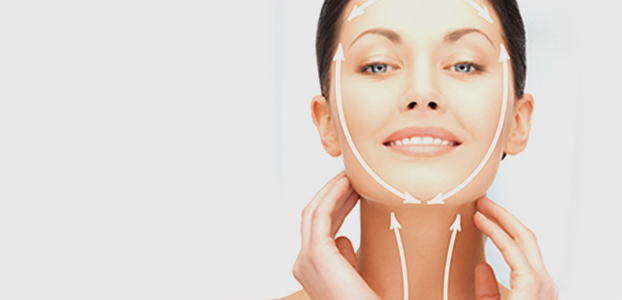



























Ultherapy vs RF Microneedling
Patients researching skin tightening almost always run into the same two names within the first few minutes of searching. One is Ultherapy®, an ultrasound-based treatment that has been around for over a decade.
The other is RF microneedling, a newer approach that combines microneedles with radiofrequency energy. Both promise firmer, more lifted skin without surgery, which makes the difference between them genuinely confusing.
At Sanctuary Medical Aesthetic Center in Boca Raton and Fort Lauderdale, we do not perform Ultherapy®. We built our non-surgical skin tightening program around Genius RF Microneedling instead, and the reasoning behind that choice is worth understanding if you are trying to decide between the two.
Ultherapy® is an FDA-cleared treatment that uses focused ultrasound energy to heat tissue beneath the skin’s surface, targeting the same structural layer addressed in surgical facelifts. Some systems include real-time imaging that allows a provider to visualize tissue depth during treatment.
Ultherapy® is most commonly used on the brow, chin, neck, and décolletage, and a single session can take an hour or more depending on the areas treated.
Results develop gradually over two to three months as collagen rebuilds, and the effect generally lasts around a year. Patients often describe the sensation during treatment as more intense than other non-surgical options, since the ultrasound energy reaches deeper tissue layers.
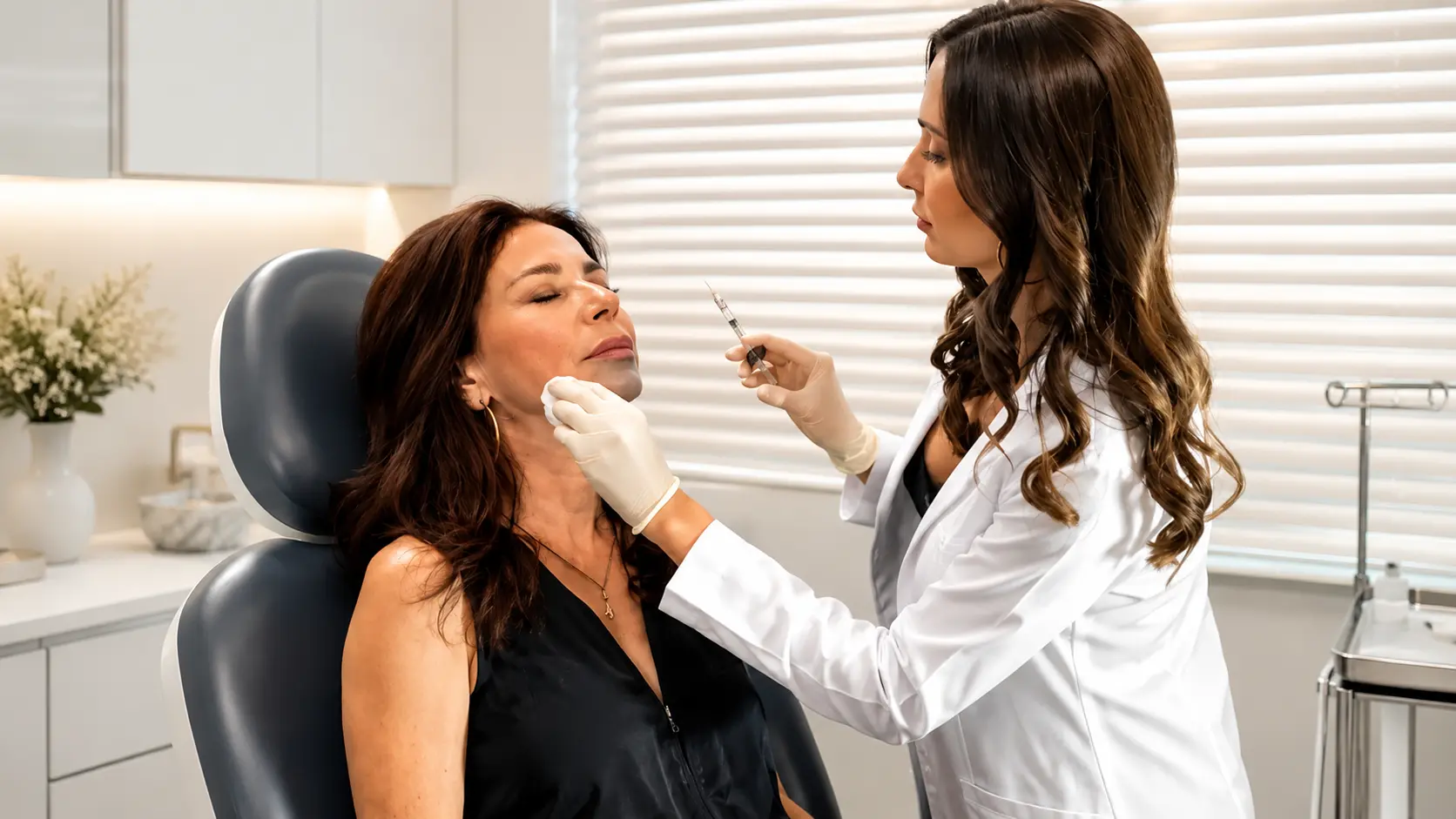
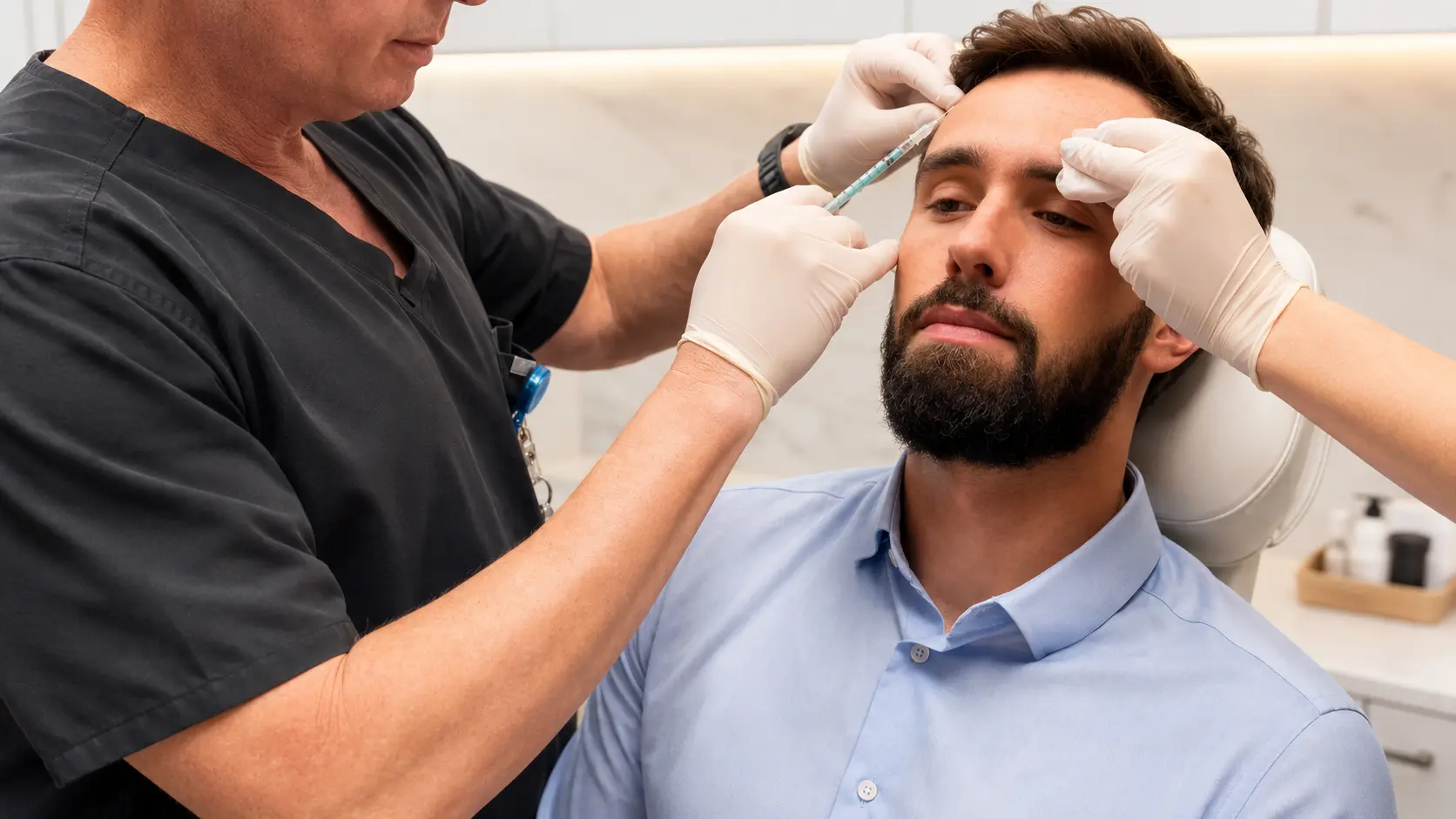
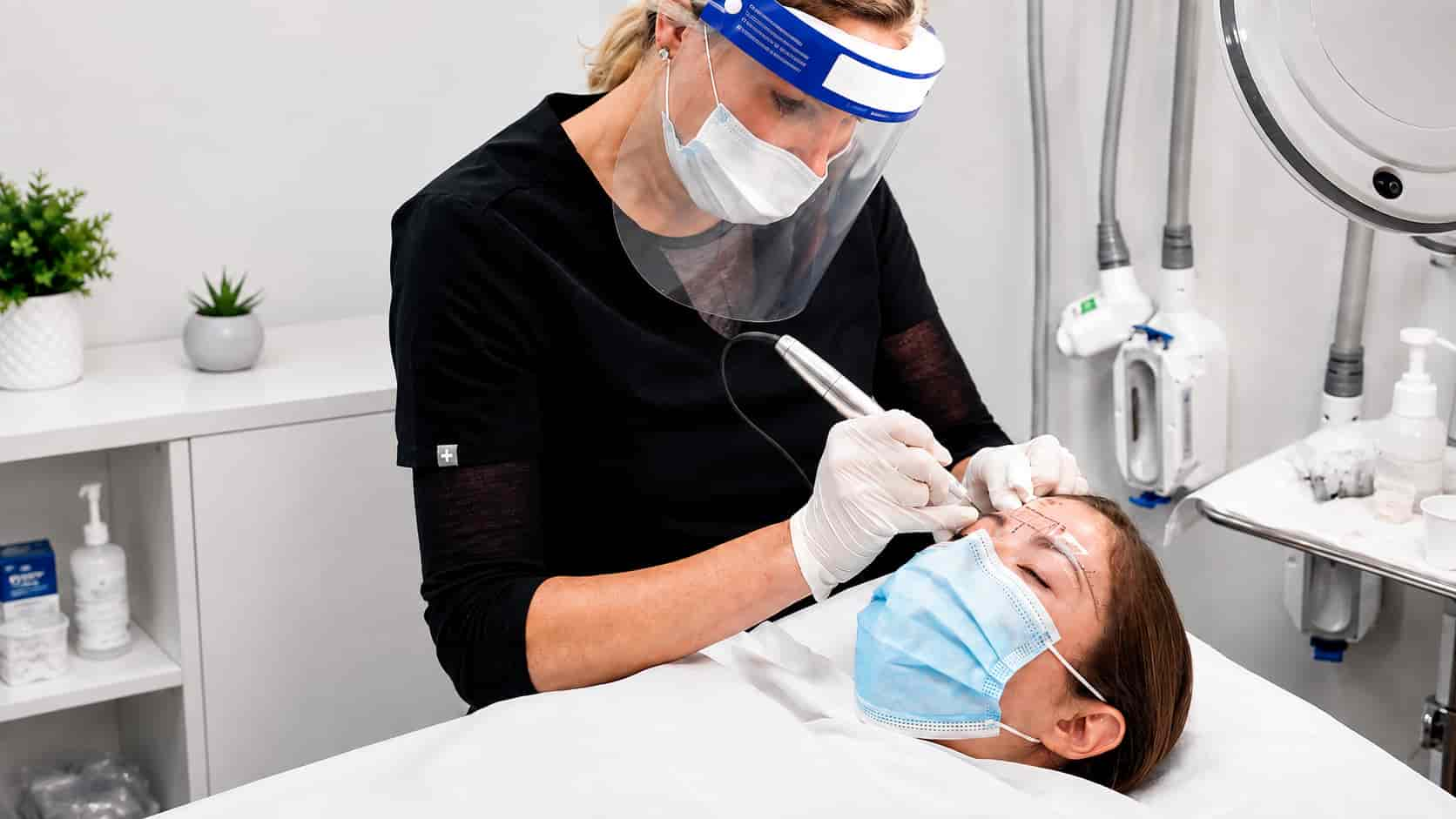
RF microneedling works through a different combination of mechanisms entirely. Fine needles create controlled micro-injuries in the skin while simultaneously delivering radiofrequency energy directly into the deeper tissue layers.
That dual action triggers the body’s natural collagen and elastin production in response to both the mechanical injury and the heat, rather than relying on ultrasound energy alone.
Our Genius RF Microneedling treatment allows providers to adjust needle depth precisely, which means the same device can address surface-level concerns like acne scarring and texture as well as deeper skin laxity in a single treatment plan.
A 2026 systematic review published in the Journal of Cosmetic Dermatology, synthesizing 20 studies and 558 patients, found that RF microneedling consistently produced significant improvements in skin texture and tightening, along with a favorable safety profile and no serious complications reported.
Patient satisfaction exceeded 90 percent in most of the studies reviewed.
That combination of strong outcomes, adjustable depth, and a well-tolerated safety profile is exactly why RF microneedling became the foundation of our skin tightening program rather than an ultrasound-based alternative. It gives our providers more precision to customize treatment to what each patient’s skin actually needs.
The core difference comes down to mechanism and precision. Ultherapy® delivers ultrasound energy at fixed depths designed to reach the same tissue layer addressed surgically, which makes it effective for lifting but limits how much a provider can customize the treatment to surface-level concerns.
RF microneedling’s adjustable needle depth lets a provider treat multiple layers and multiple concerns, texture, scarring, and tightening, within the same session.
Downtime also differs. RF microneedling typically involves mild redness and swelling that resolves within a few days, while Ultherapy® generally has little visible downtime but can involve more discomfort during the treatment itself due to the depth of energy delivery.
Candidacy differs slightly too. Ultherapy® tends to be recommended for patients with mild to moderate skin laxity who want a single, more intensive session focused specifically on lifting.
RF microneedling suits a broader range of patients and concerns, since the same treatment plan can address early signs of laxity alongside texture, pore size, or acne scarring that an ultrasound-based treatment does not directly target.
A topical numbing cream is applied before treatment to keep the procedure comfortable. Most patients complete a series of sessions rather than a single treatment, spaced several weeks apart, to build progressive improvement. Mild redness and swelling immediately following treatment is normal and typically settles within a few days.
Your provider will determine session count and needle depth based on your specific skin concerns during a consultation, rather than applying the same protocol to every patient regardless of what their skin actually needs.
Initial improvement is often visible within a few weeks as swelling resolves, though full results continue to develop over roughly three months as collagen remodeling progresses. Many patients maintain their results for a year or more with proper skin care, and some see benefits that continue building well beyond that with periodic maintenance sessions.
Sanctuary Medical Aesthetic Center has served more than 65,000 patients across Boca Raton and Fort Lauderdale, earning more than 600 five-star reviews over 25 years in business. Our providers are trained specifically on the technology we offer, which means every RF microneedling treatment plan is built around your actual skin rather than a generic protocol.
RF microneedling pairs well with other treatments in our practice, including Sofwave™ for patients who want an ultrasound-based option alongside their microneedling plan.
I’ve already had Ultherapy® elsewhere. Can I still do RF microneedling?
Yes. There is no medical reason you cannot have RF microneedling after Ultherapy® was performed elsewhere. The two work through different mechanisms and address slightly different concerns, so many patients combine both approaches over time rather than choosing one permanently.
Is RF microneedling safe for all skin tones?
Yes, RF microneedling is generally considered safe across a wide range of skin tones, since the energy is delivered through the needles rather than relying on light-based technology that can carry more risk for deeper skin tones.
How many RF microneedling sessions will I need?
Most patients complete a series of two to four sessions, spaced several weeks apart, though your provider will determine the right number based on what your skin actually needs during a consultation.
Can I combine RF microneedling with Sofwave™ in the same appointment?
It depends on the areas being treated and your provider’s recommendation. Some patients do both in the same visit, while others space the two treatments a few weeks apart to allow proper healing in between.
If you have been comparing Ultherapy® and RF microneedling and want an honest recommendation based on your actual skin, a consultation is the best next step. Our team will walk through your goals and explain exactly what to expect before any treatment begins.
Book your appointment with Sanctuary Medical Aesthetic Center and find out whether RF microneedling is the right fit for your skin.